
KS3 Physics · Electricity & magnetism
Potential difference and resistance
- Potential difference: the push from the cell, measured in volts
- Where a voltmeter goes, and how p.d. is shared in series and parallel
- Lamp ratings: too little, and too much
- Resistance in ohms, and resistance = potential difference ÷ current
- 1 min read
- 5 quick questions
- Free homework sheet
- Years 7 to 9
Revision notes
Potential difference (p.d.) is the push the cell gives the charge: the energy it transfers. It is measured in volts (V) with a voltmeter, connected across a component, in parallel.
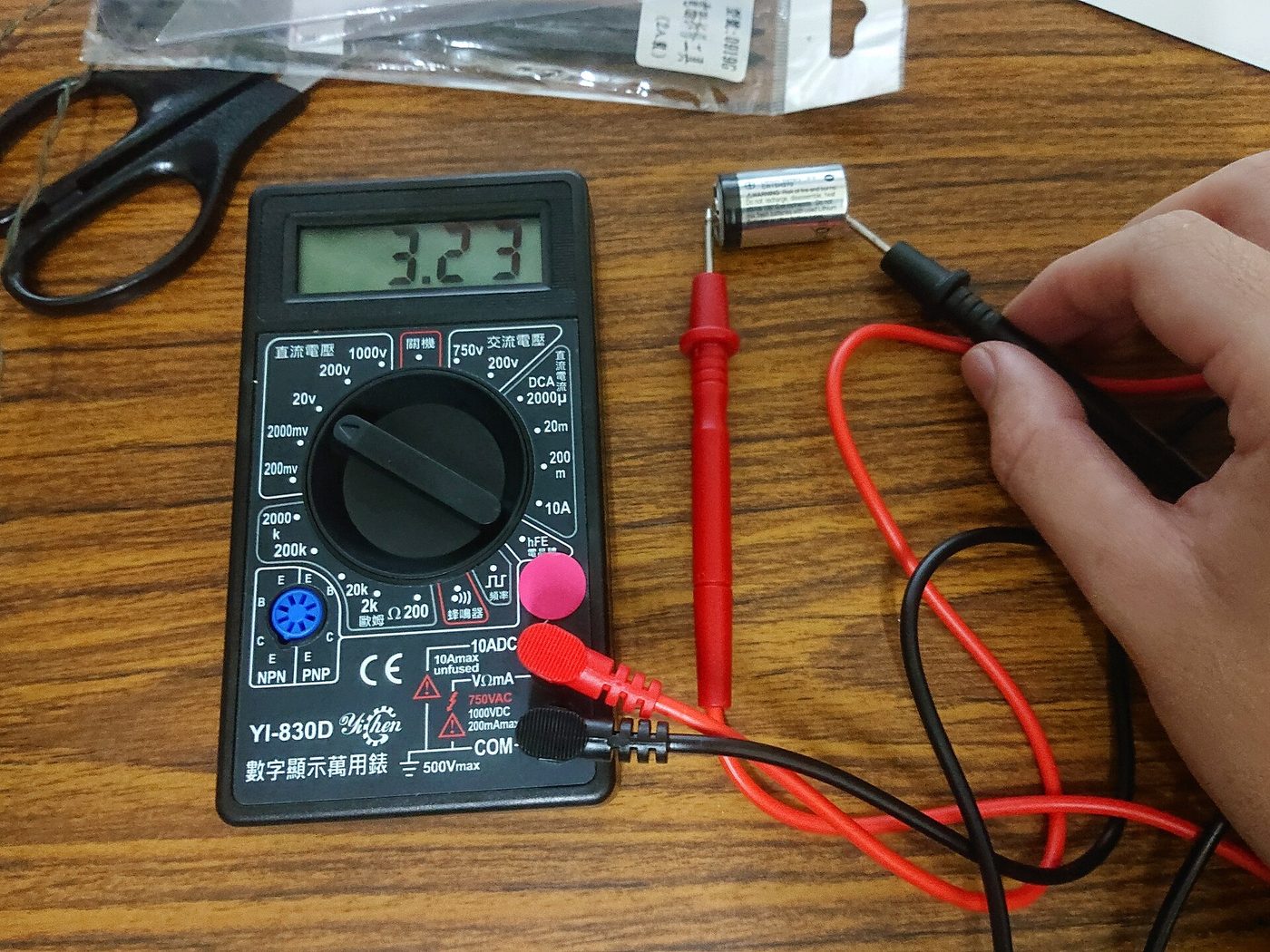
- Cells in series add up: three 1.5 V cells make 4.5 V.
- In series, the supply’s p.d. is shared: 6 V = 3 V + 3 V above.
- In parallel, every branch gets the full p.d. of the supply.
- A lamp’s rating (such as 6 V) is the p.d. it is designed for. Much less: dim. Much more: it blows.
Resistance
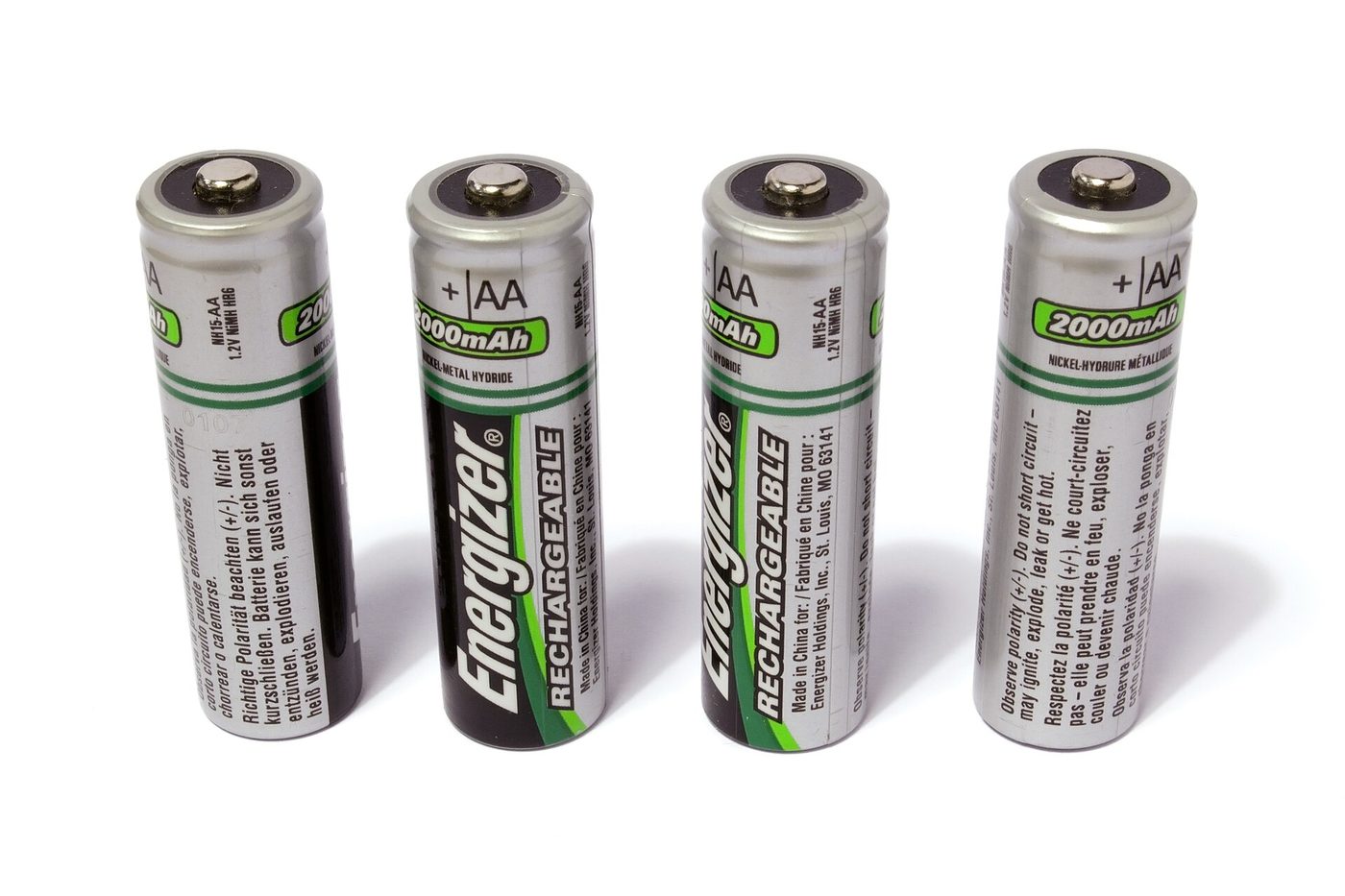
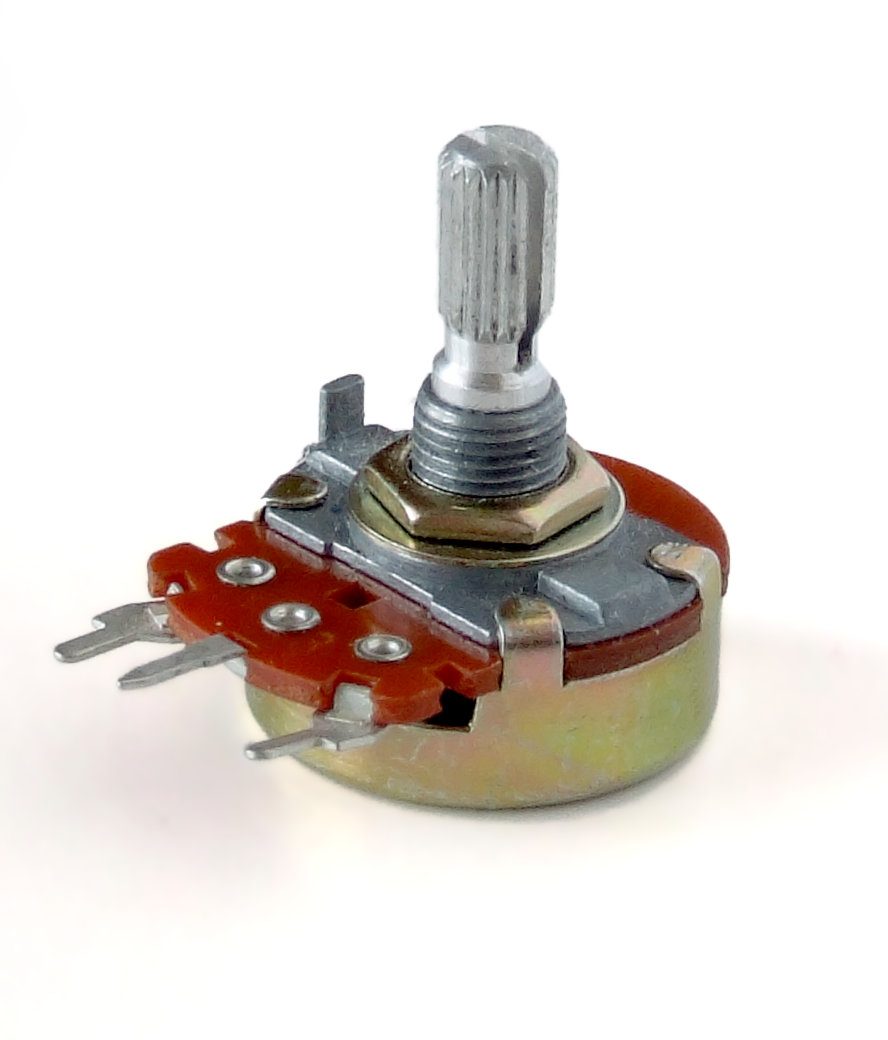
Resistance is how hard it is for current to flow, measured in ohms (Ω). For the same p.d., more resistance means less current. A variable resistor changes the current, as in a dimmer switch.
12 V across a heater, 3 A through it: R = 12 ÷ 3 = 4 Ω.
6 V across a lamp, 0.5 A through it: R = 6 ÷ 0.5 = 12 Ω.
| Material in the circuit | Resistance | Lamp |
|---|---|---|
| Metals: copper, steel, aluminium, coins | Very low | Bright |
| Graphite (pencil lead) | Higher than a metal | Dim |
| Plastic, wood, rubber, glass, dry paper | Huge: insulators | Off |
Mains electricity in the UK is 230 V. Never experiment with it.
Written to the KS3 national curriculum. Last changed 8 November 2026.
Key words
Say them, spell them, use them in an answer.
- potential difference (p.d.)
- volts (V)
- voltmeter
- rating
- resistance
- ohms (Ω)
- variable resistor
Common misconception
Often said“Birds on power lines are safe because their feet are rubbery.”
In factBoth feet are on the same wire, so there is no potential difference across the bird and almost no current flows through it.
Try 5 questions
Quick questions on potential difference and resistance, marked as you go. Each one explains the answer.
Question 1 of 5
Three lamps are in parallel with a 4.5 V battery. What is the p.d. across each lamp?
Choose an answer. Each question explains itself.
The homework sheet
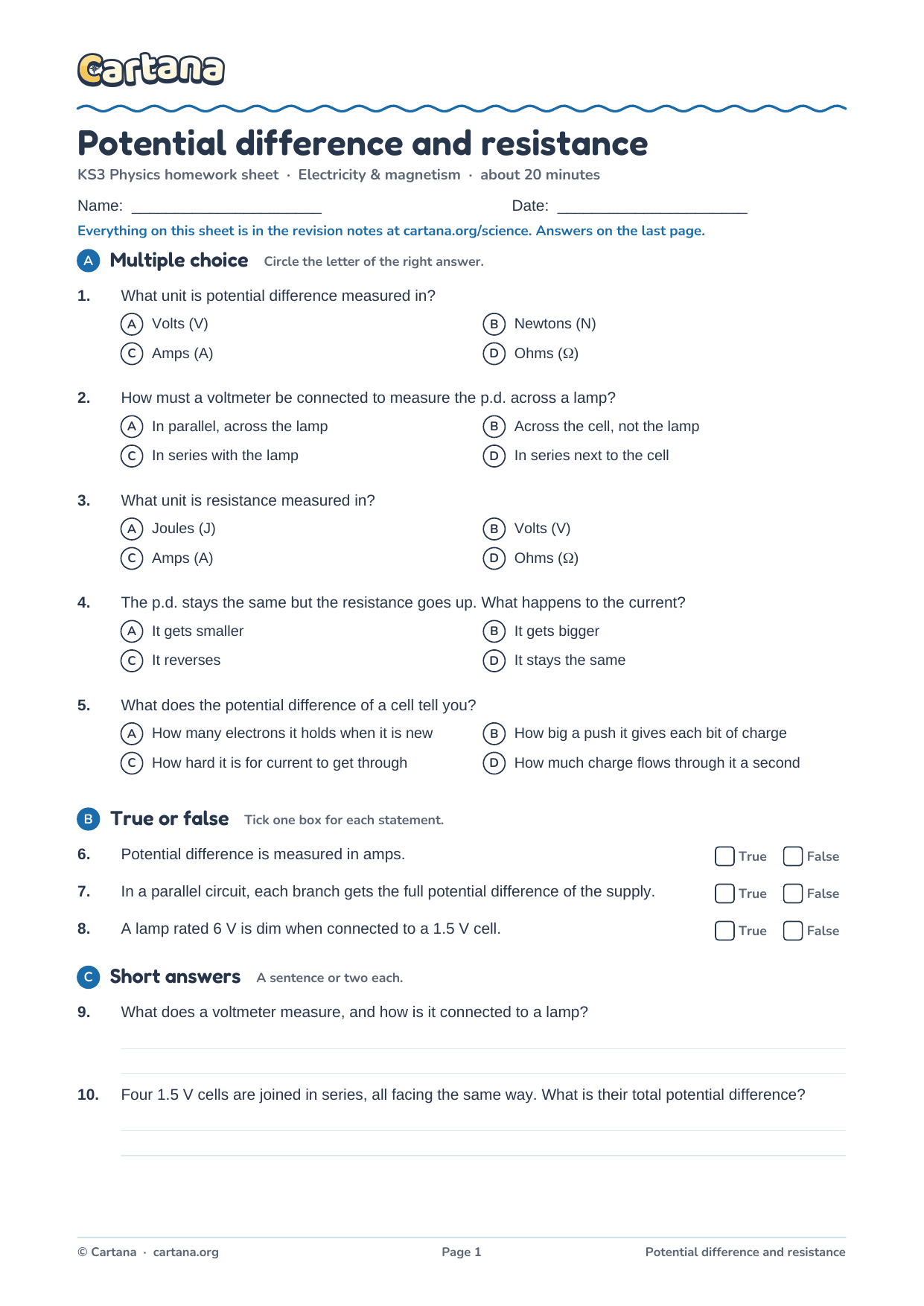
About twenty minutes. Everything on it is in the notes above; the answers are on the last page.
Free homework sheet
Potential difference and resistance homework sheet
17 questions, about twenty minutes, with the answers on the last page: multiple choice, true or false, short answers, key words to define and one to explain in full.
KS3 Electricity & magnetism
Revised the whole unit?
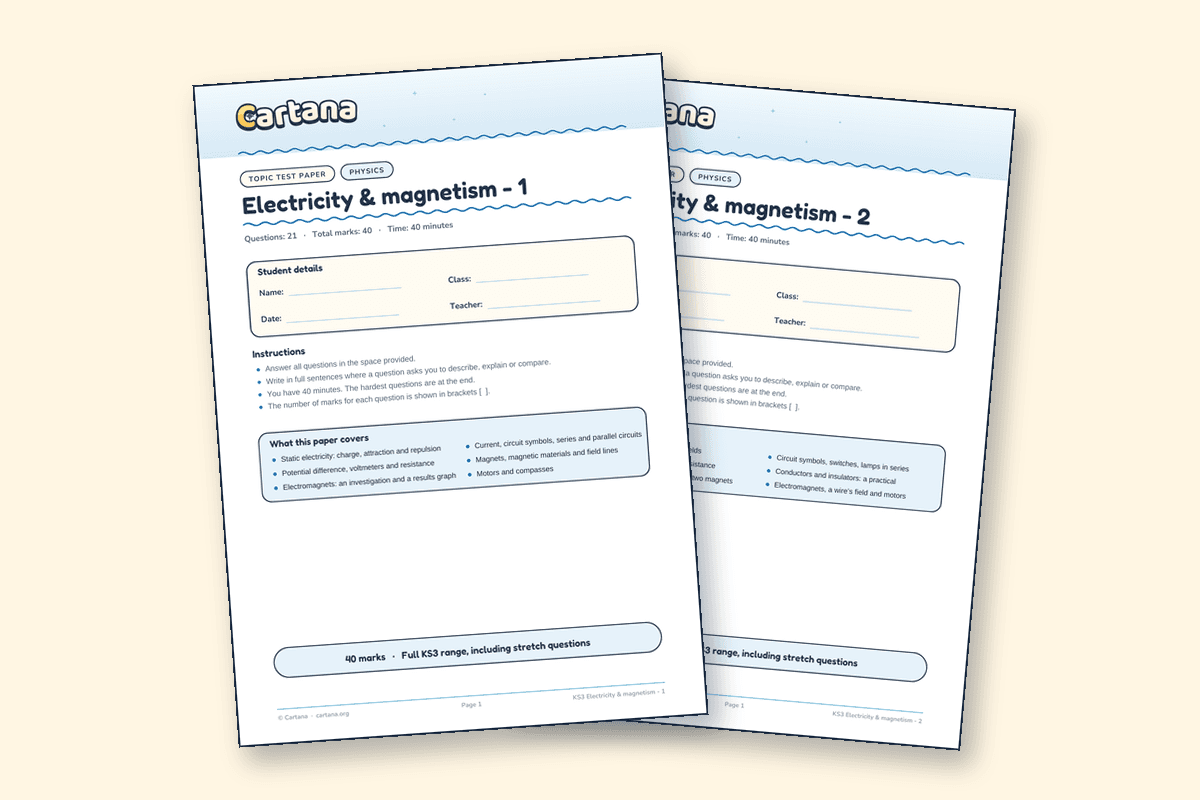
When every topic in electricity & magnetism is done, two different papers test the whole unit, each with its own mark scheme.


 Watch the trailer · 1:06
New from Cartana · Beta test 1–31 December
Revision that feels like an adventure
Cartana is our KS3 learning adventure: sail between islands, answer quick-fire questions and battle bosses. It starts with science, with maths on the way, and launches in 2027. This December a small group of testers gets to play it first.
In the Cartana adventure, potential difference and resistance is the Battery Works, a district of the Isle of Ohm.
- Play the game before its official release
- Help us build it with your feedback
- Earn exclusive in-game items in return
More in this unit