
KS3 Biology · Cells & life processes
Life processes
- The seven life processes, MRS GREN, and what each one means
- Why respiration is not breathing, and excretion is not egestion
- When movement counts as a sign of life
- How plants carry out all seven life processes
- 2 min read
- 5 quick questions
- Free homework sheet
- Years 7 to 9
Revision notes
Every living thing carries out all seven life processes at some point in its life. Remember them as MRS GREN. Doing only some of them, like a fire or a robot, is not enough.
| Process | What it means | |
|---|---|---|
| M | Movement | A living thing moving itself, or part of itself. Plants move slowly: leaves turn to face the light, flowers open and close. |
| R | Respiration | A chemical reaction in every living cell that releases energy from food (glucose). It is not breathing. |
| S | Sensitivity | Detecting changes in the surroundings (stimuli) and responding to them. Plants do it too. |
| G | Growth | A lasting increase in size, or repairing damage, by making new cells. |
| R | Reproduction | Making offspring: new living things of the same kind. |
| E | Excretion | Getting rid of waste made by cells, such as carbon dioxide and urea. Faeces do not count: that is egestion. |
| N | Nutrition | Taking in or making food. Animals eat; plants make their own food by photosynthesis. |
Respiration is not breathing. Breathing moves air in and out of the lungs. Respiration is a chemical reaction in every living cell that releases energy from glucose: glucose + oxygen → carbon dioxide + water. Breathing brings the oxygen in and takes the carbon dioxide away.
Excretion is not egestion. Excretion gets rid of waste made by cells: carbon dioxide from the lungs, urea in urine. Egestion gets rid of undigested food (faeces), which never became part of the cells.
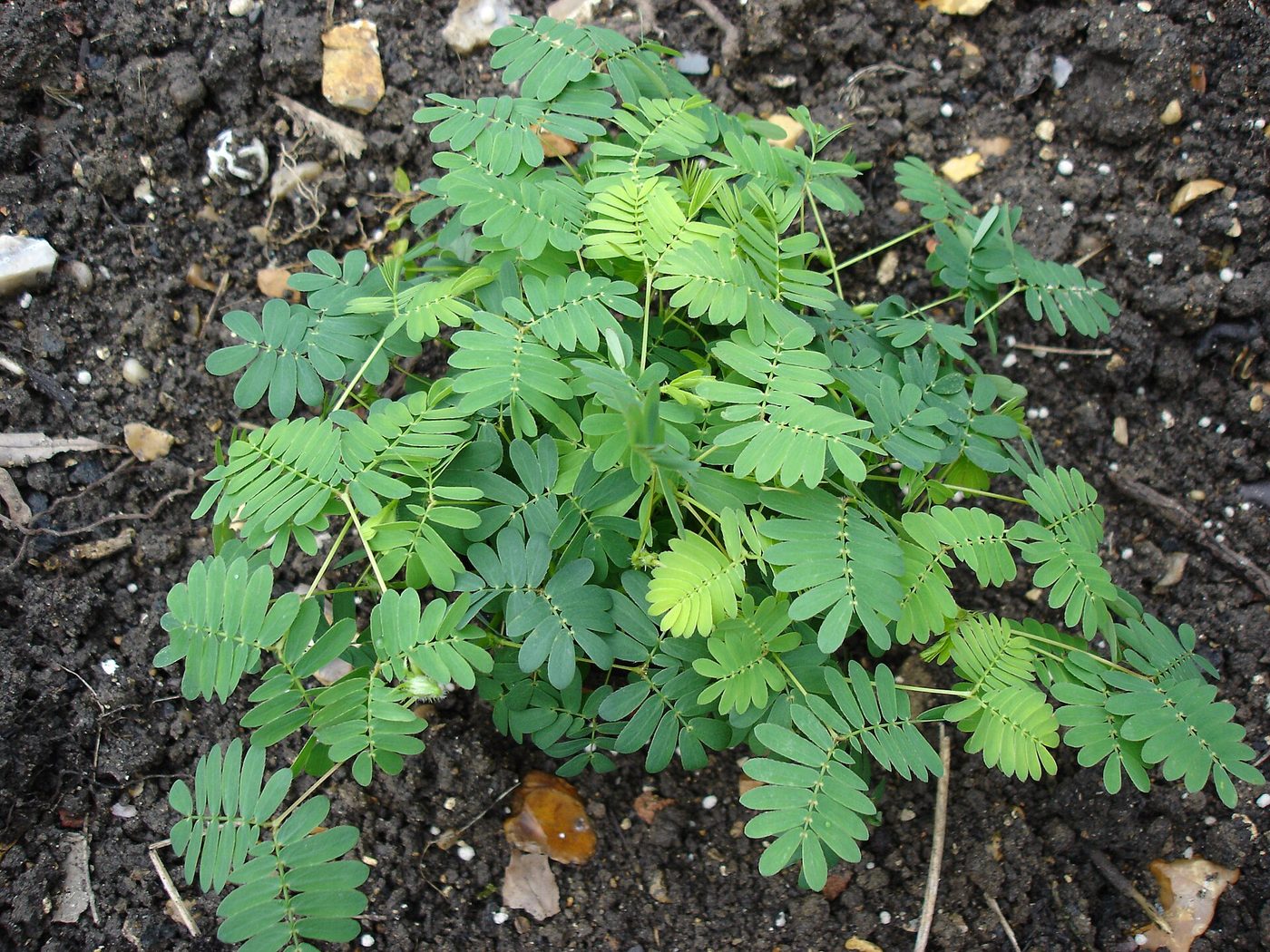
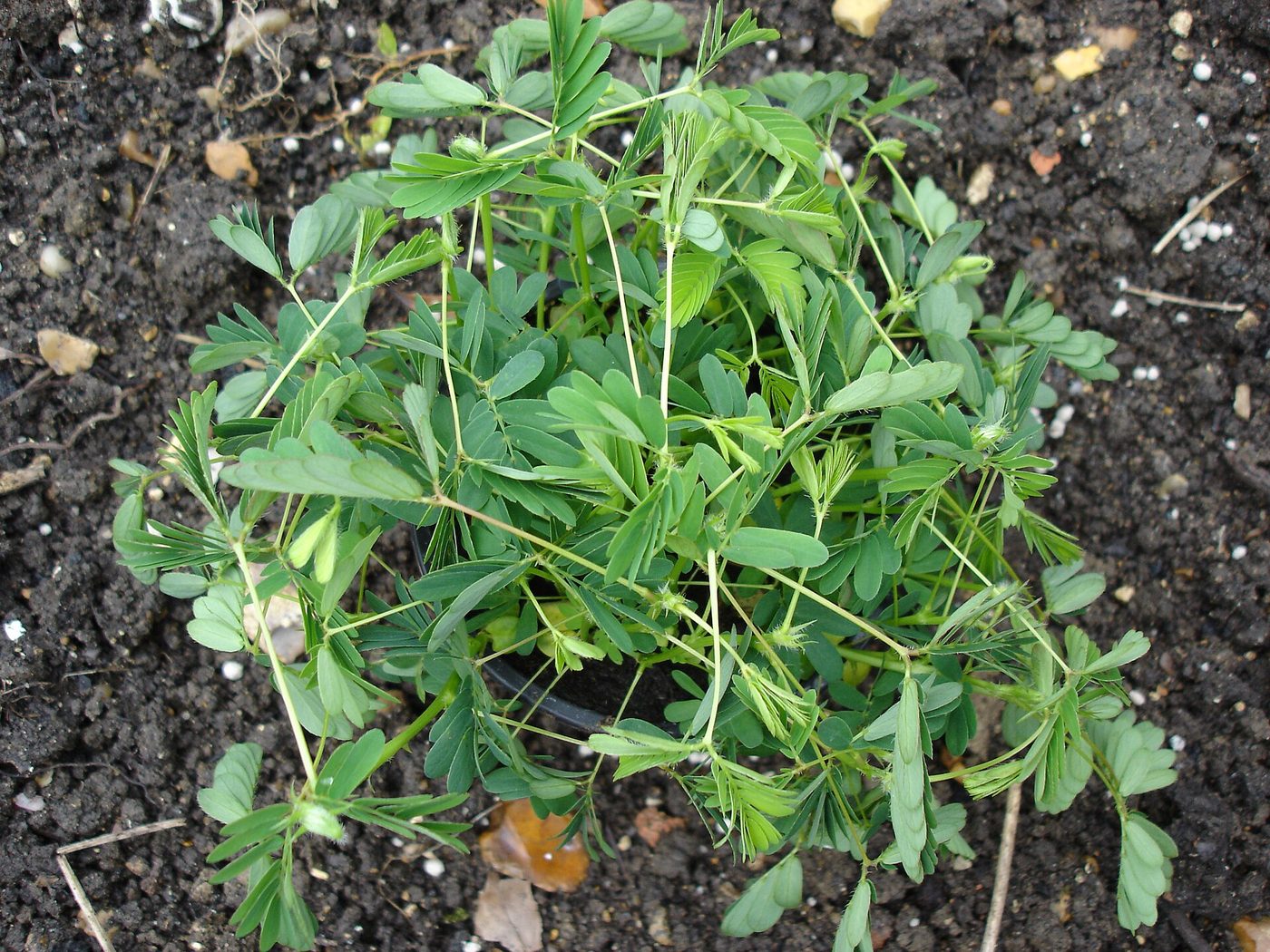
Movement only counts when a living thing moves itself, or part of itself. A crisp packet in the wind does not count; a leaf turning to the light does. Plants do all seven: they move slowly, sense light and gravity, make their own food and respire all the time, day and night.


Written to the KS3 national curriculum. Last changed 2 November 2026.
Key words
Say them, spell them, use them in an answer.
- MRS GREN
- Movement
- Respiration
- Sensitivity
- Growth
- Reproduction
- Excretion
- Nutrition
- Plants
Common misconception
Often said“Respiration is just another word for breathing.”
In factBreathing moves air in and out of the lungs. Respiration is a chemical reaction in every living cell that releases energy from glucose.
Did you know?
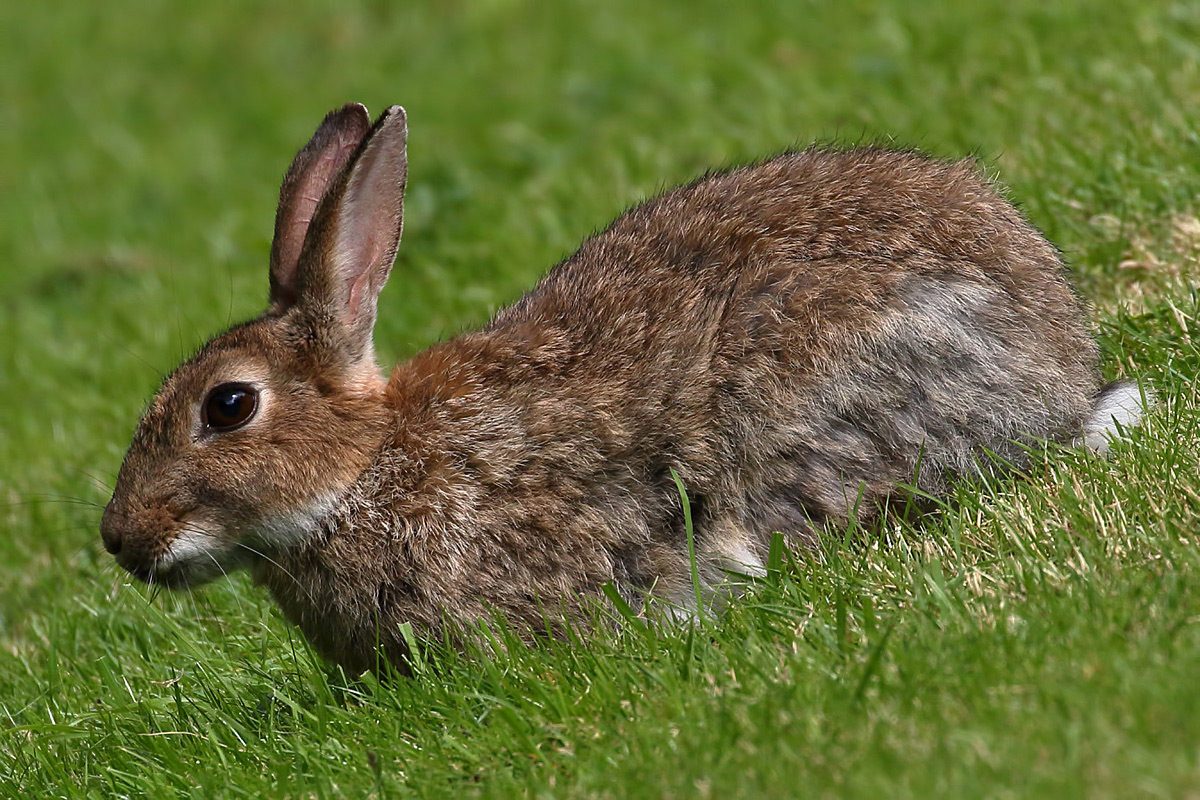
Bunny
Found snoozing behind the Membrane Gate. A rabbit’s eyes are on the sides of its head, so it can spot danger almost all the way round: sensitivity at its best.
Photo: Walter Baxter, CC BY-SA 2.0, via Wikimedia Commons

Try 5 questions
Quick questions on life processes, marked as you go. Each one explains the answer.
Question 1 of 5
Yeast cells in bread dough break down sugar to release the energy they need. Which life process is this?
Choose an answer. Each question explains itself.
The homework sheet
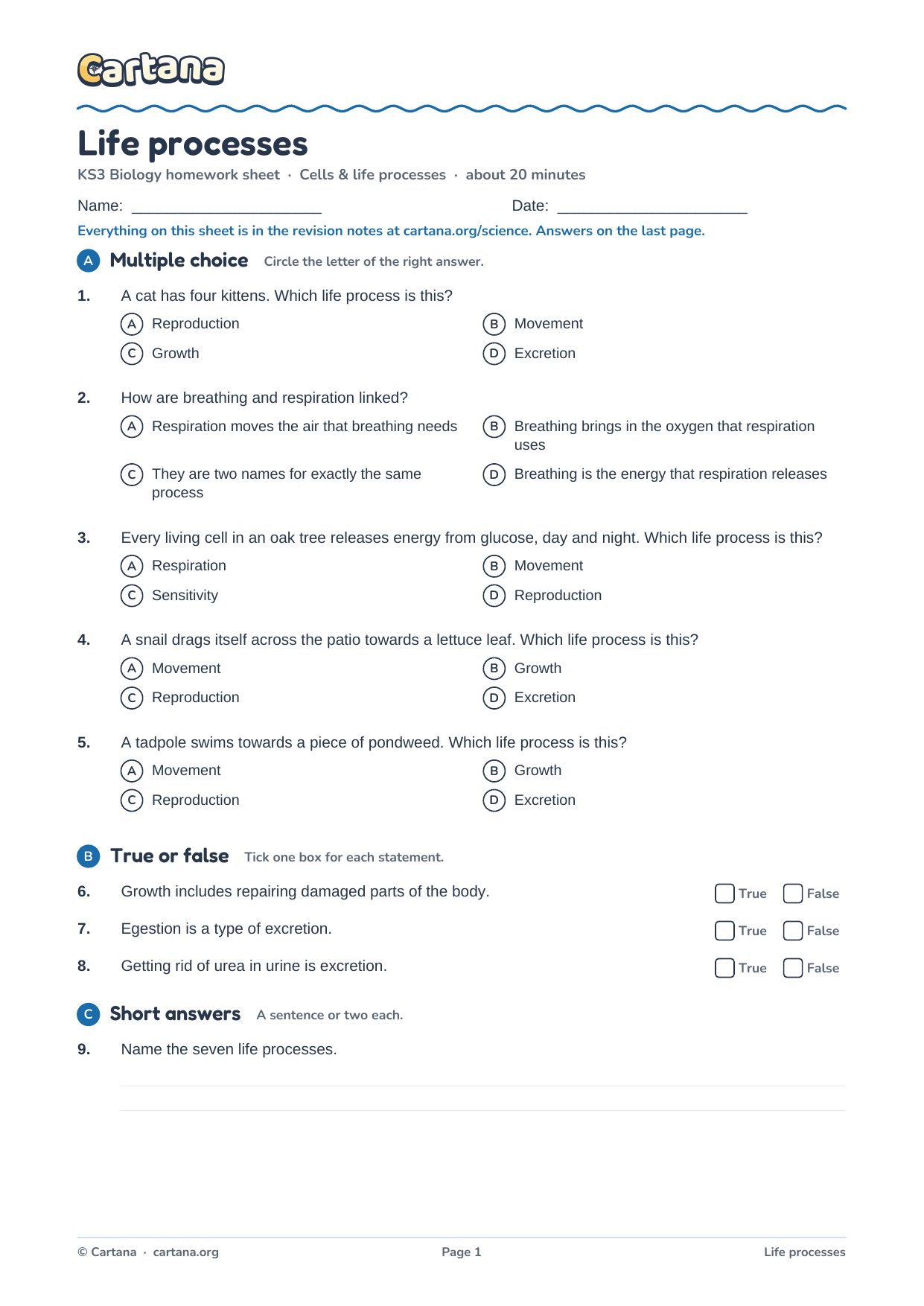
About twenty minutes. Everything on it is in the notes above; the answers are on the last page.
Free homework sheet
Life processes homework sheet
17 questions, about twenty minutes, with the answers on the last page: multiple choice, true or false, short answers, key words to define and one to explain in full.
KS3 Cells & life processes
Revised the whole unit? There is a 40-mark Cells & life processes test paper with a mark scheme.
 Watch the trailer · 1:06
New from Cartana · Beta test 1–31 December
Revision that feels like an adventure
Cartana is our KS3 learning adventure: sail between islands, answer quick-fire questions and battle bosses. It starts with science, with maths on the way, and launches in 2027. This December a small group of testers gets to play it first.
In the Cartana adventure, life processes is The Membrane Gate, a district of the island Cytopia.
- Play the game before its official release
- Help us build it with your feedback
- Earn exclusive in-game items in return
More in this unit