
KS3 Biology · Reproduction
Pollination
- Pollination: how pollen gets from an anther to a stigma
- Insect-pollinated and wind-pollinated flowers compared
- Fertilisation: the pollen tube and the male nucleus joining the egg cell
- How a fertilised ovule becomes a seed and the ovary becomes a fruit
- 2 min read
- 5 quick questions
- Free homework sheet
- Years 7 to 9
Revision notes
Pollination is the transfer of pollen from an anther to a stigma. Fertilisation is what happens afterwards: the pollen grain grows a pollen tube down through the style to an ovule, and the male nucleus travels down it and joins with the nucleus of the egg cell. They are not the same thing.
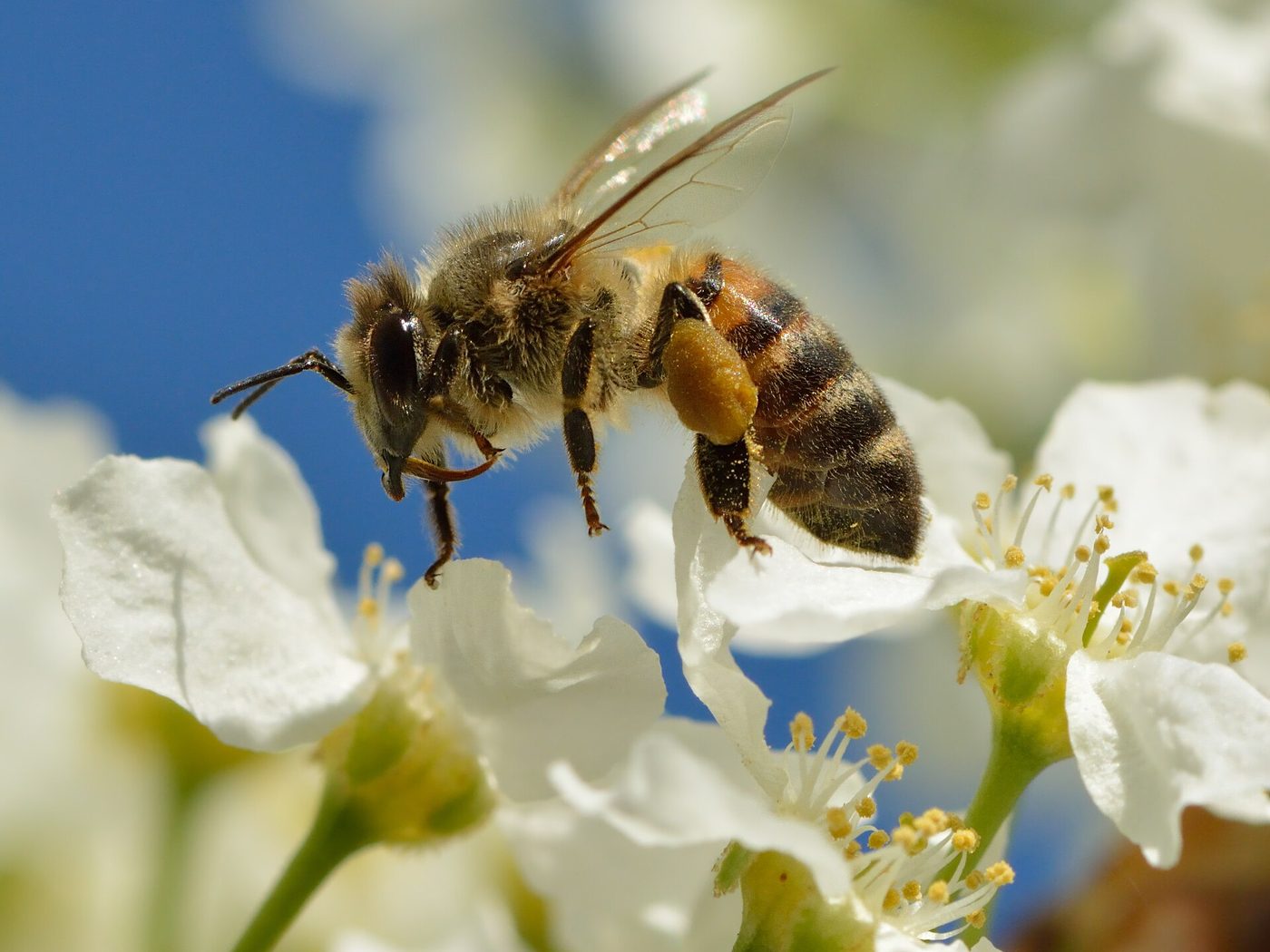

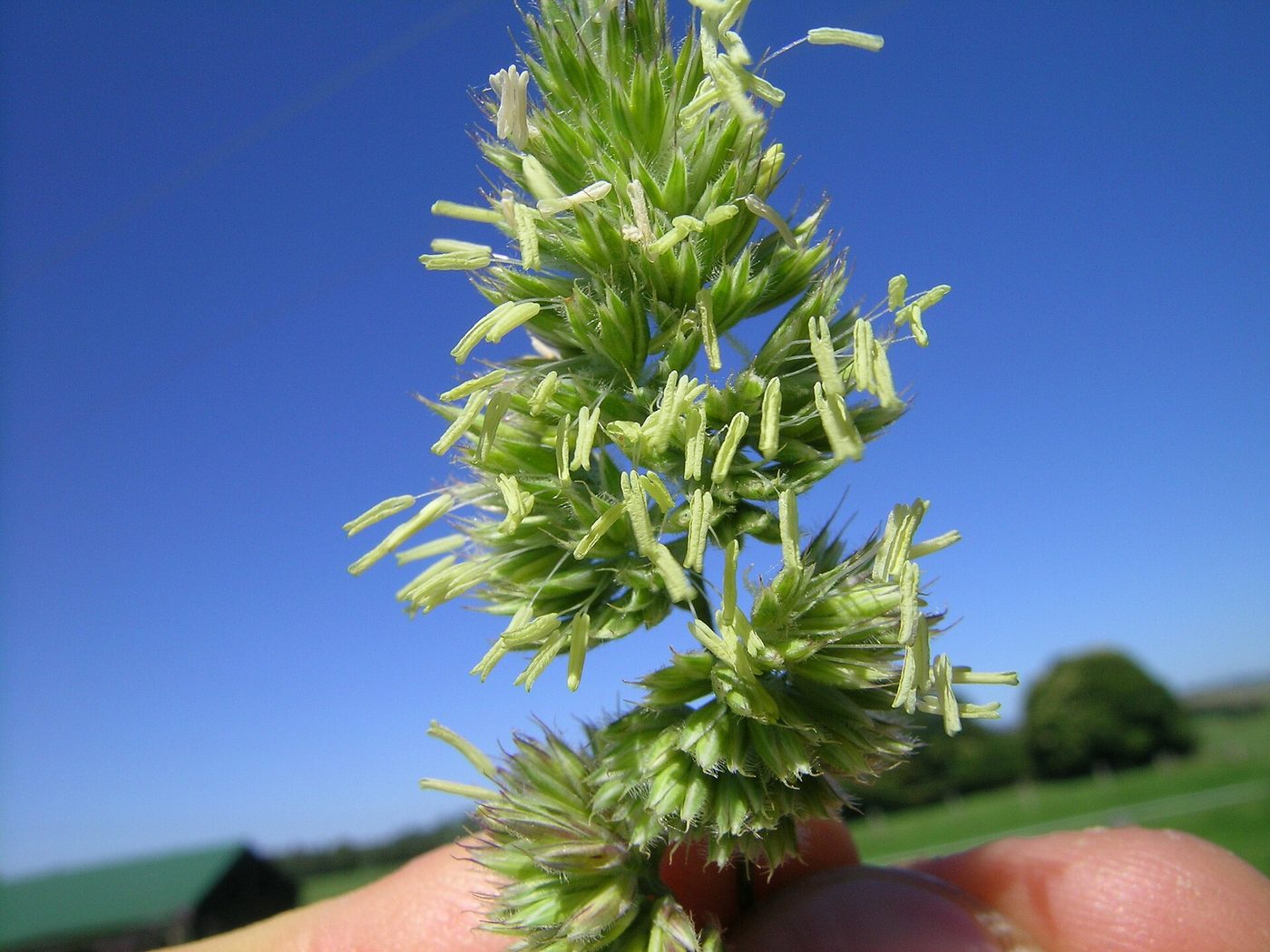
| Insect-pollinated flowers | Wind-pollinated flowers | |
|---|---|---|
| Petals | Large, brightly coloured, often scented | Small, dull or green, or none |
| Nectar | Yes, as a reward | None |
| Anthers | Inside the flower, where an insect brushes past | Hanging outside on long filaments, in the wind |
| Pollen | Sticky or spiky, so it clings to insects; smaller amounts | Light and smooth, so it floats; huge amounts, because most is lost |
| Stigma | Sticky, inside the flower | Feathery, hanging outside to catch pollen from the air |
| Examples | Buttercup, foxglove, apple, rose | Grasses, hazel, oak, birch |

From pollination to seed: pollen lands on a stigma → a pollen tube grows down the style → the male nucleus joins the egg cell in an ovule (fertilisation) → each fertilised ovule becomes a seed → the ovary swells into a fruit round the seeds. An apple is a swollen ovary; the pips are seeds. A pea pod is a fruit; the peas are seeds.
Stretch Pollen carried to a different plant of the same kind is cross-pollination; the offspring get a new mix of genes, which gives variation. Pollen landing on the same plant is self-pollination. Some flowers are pollinated by birds, bats or beetles rather than bees; moth-pollinated flowers are often pale and scented at night. Darwin predicted a moth with a tongue 30 cm long from the shape of an orchid, and it was found forty years later.
Written to the KS3 national curriculum. Last changed 2 November 2026.
Key words
Say them, spell them, use them in an answer.
- Pollination
- Fertilisation
- pollen tube
- seed
- fruit
- cross-pollination
- self-pollination
Common misconception
Often said“Pollination and fertilisation are the same thing.”
In factPollination is pollen reaching a stigma. Fertilisation comes later, when the pollen tube has grown down the style and the male nucleus joins the egg cell inside the ovule.
Did you know?
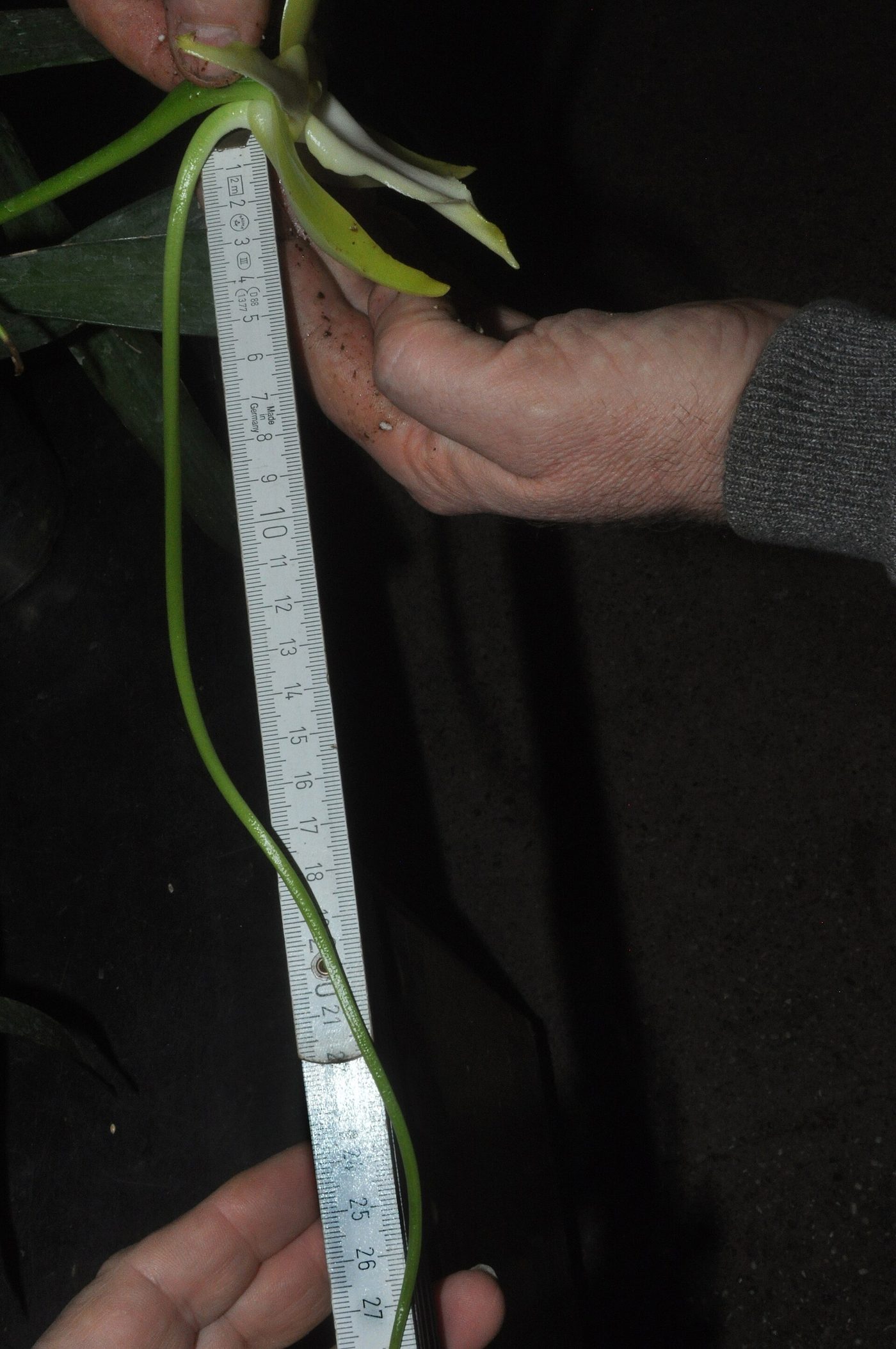
Darwin’s orchid
In 1862 Charles Darwin was sent a Madagascan orchid whose nectar sits at the bottom of a tube about 30 cm long. He predicted a moth with a tongue that long must pollinate it. The moth was found in 1903, seen visiting the orchid in 1992, and filmed doing it in the wild in 2004.
Photo: Orchideen100, CC BY-SA 4.0, via Wikimedia Commons

Try 5 questions
Quick questions on pollination, marked as you go. Each one explains the answer.
Question 1 of 5
Which of these is a feature of an insect-pollinated flower?
Choose an answer. Each question explains itself.
The homework sheet
About twenty minutes. Everything on it is in the notes above; the answers are on the last page.
Free homework sheet
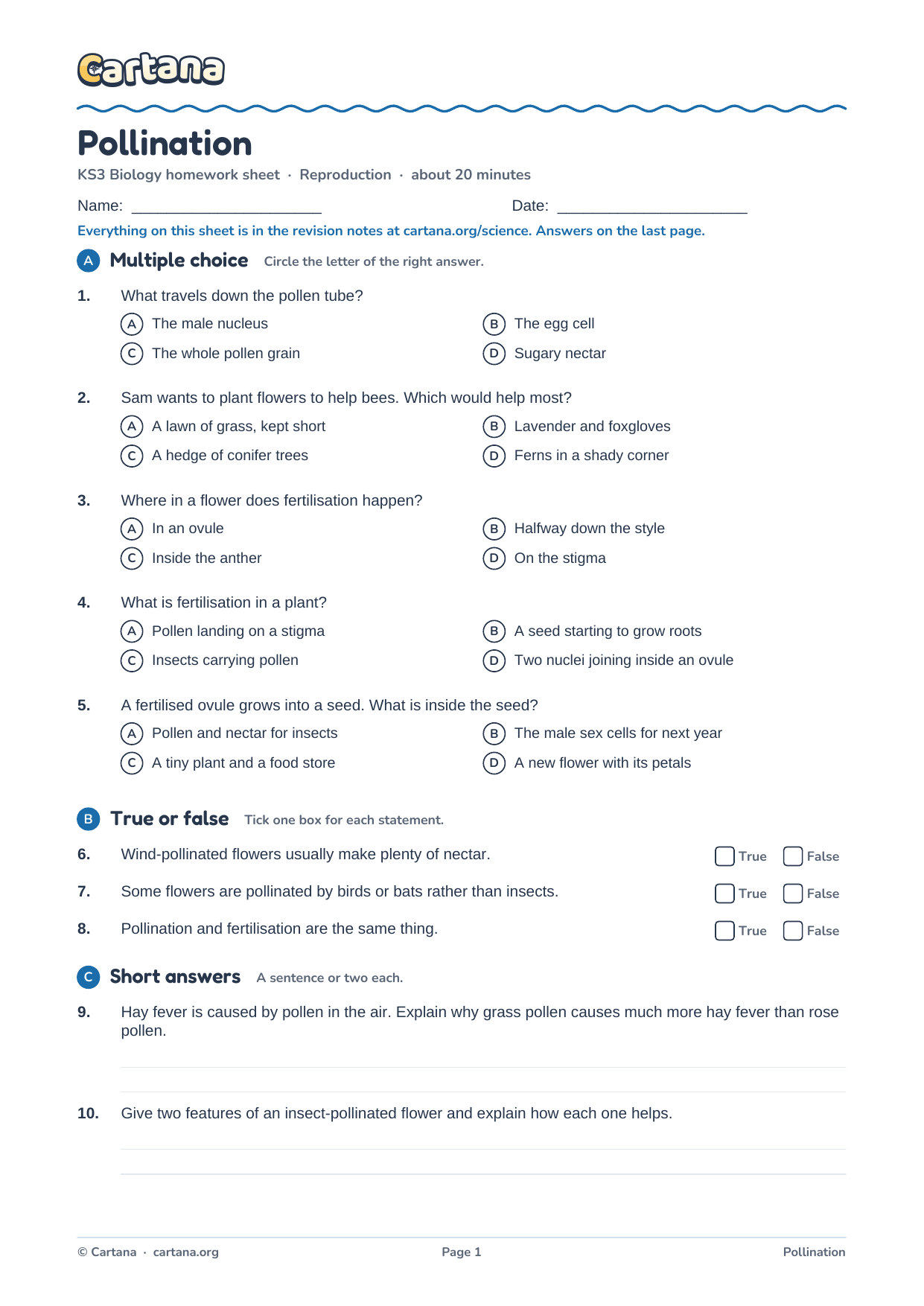
Pollination homework sheet
17 questions, about twenty minutes, with the answers on the last page: multiple choice, true or false, short answers, key words to define and one to explain in full.
KS3 Reproduction
Revised the whole unit? There is a 40-mark Reproduction test paper with a mark scheme.
 Watch the trailer · 1:06
New from Cartana · Beta test 1–31 December
Revision that feels like an adventure
Cartana is our KS3 learning adventure: sail between islands, answer quick-fire questions and battle bosses. It starts with science, with maths on the way, and launches in 2027. This December a small group of testers gets to play it first.
In the Cartana adventure, pollination is The Pollen Walk, a district of the island The Nursery.
- Play the game before its official release
- Help us build it with your feedback
- Earn exclusive in-game items in return
More in this unit