
KS3 Biology · Body systems & health
Skeleton
- The four jobs of the skeleton: support, protection, movement and making blood cells
- The main bones, from the skull to the tibia, and what each one protects
- Why bones are living tissue, and why they need calcium and vitamin D
- Hinge, ball-and-socket and fixed joints, with cartilage, ligaments and tendons
- 2 min read
- 5 quick questions
- Free homework sheet
- Years 7 to 9
Revision notes
Your skeleton is 206 bones joined together. It has four jobs: support, protection, movement and making blood cells.
- skull
- clavicle (collarbone)
- humerus
- radius
- pelvis
- femur (thigh bone)
- tibia (shinbone)
- jawbone
- sternum (breastbone)
- ribs
- vertebrae (backbone)
- ulna
- patella (kneecap)
- fibula
| Job | How | Example |
|---|---|---|
| Support | Holds the body up and gives it its shape | The backbone and leg bones carry your weight |
| Protection | Hard bone surrounds soft organs | Skull: brain. Ribs: heart and lungs. Vertebrae: spinal cord |
| Movement | Muscles pull on bones, which move at joints | The biceps pulls the forearm up |
| Making blood cells | Bone marrow, the soft tissue inside some bones, makes them | Red cells, white cells and platelets |
Bones are alive. They have cells, nerves and a blood supply, so they grow and can repair a break. Calcium makes them hard. You get it from foods such as milk, cheese and green vegetables, and vitamin D helps your body take it in.
A joint is where two or more bones meet.
| Joint | How it moves | Examples |
|---|---|---|
| Hinge | Bends and straightens in one direction, like a door | Knee, elbow, fingers |
| Ball and socket | In almost every direction, even round in a circle | Hip, shoulder |
| Fixed | Does not move at all | Between the bones of the skull |
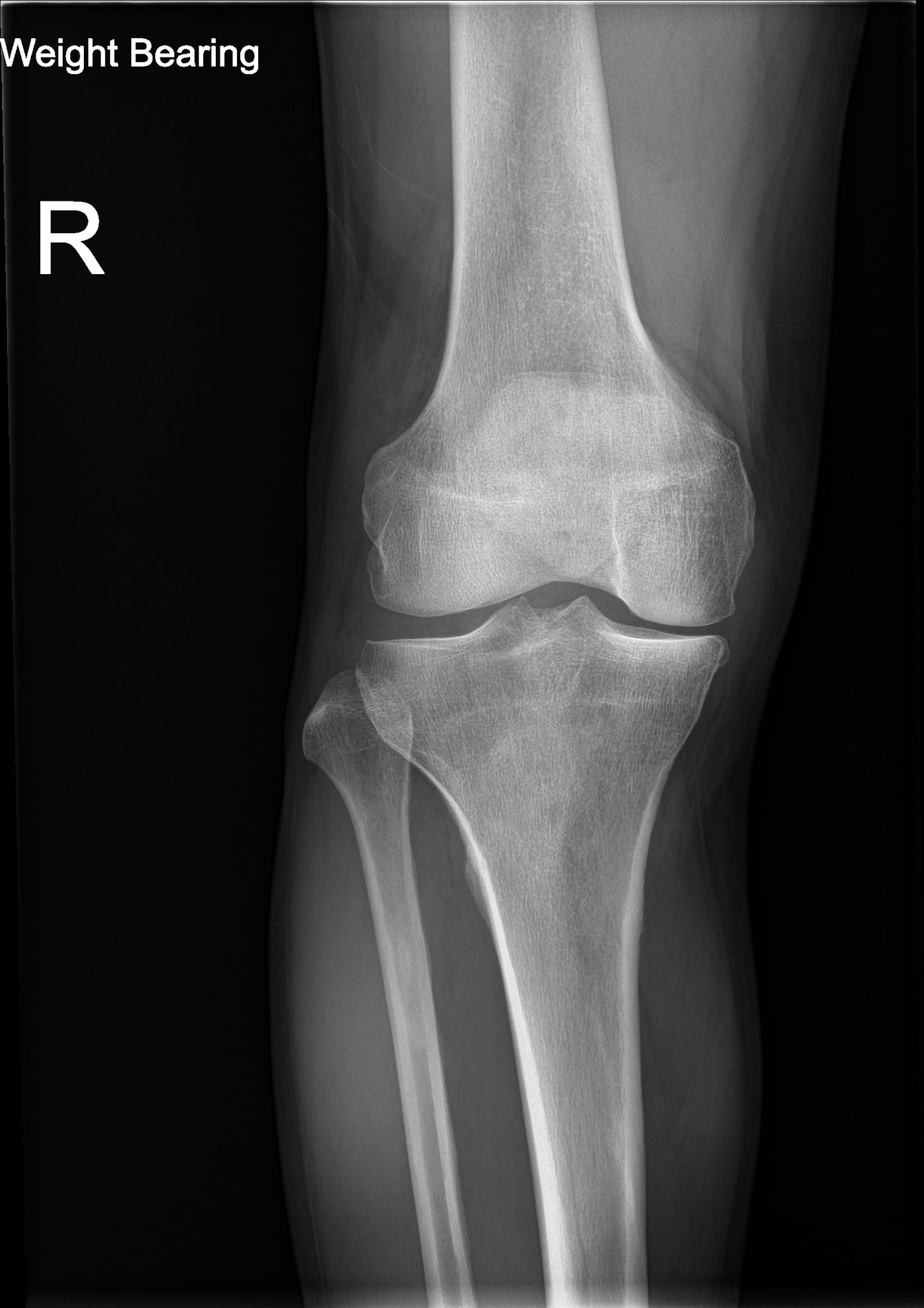

Cartilage covers the ends of the bones in a joint: a smooth, tough cushion that stops them rubbing and soaks up shocks. Ligaments hold the bones of a joint together (bone to bone) and are slightly stretchy. Tendons join muscles to bones and do not stretch.
Stretch Joints such as the knee are filled with synovial fluid, which oils them like a hinge. Bones also store minerals such as calcium for the rest of the body. A newborn baby has around 270 to 300 bones; some of them join together as it grows.
Written to the KS3 national curriculum. Last changed 2 November 2026.
Key words
Say them, spell them, use them in an answer.
- skeleton
- support
- protection
- movement
- making blood cells
- Calcium
- vitamin D
- joint
- Cartilage
- Ligaments
- Tendons
- synovial fluid
Common misconception
Often said“Bones are dead, like chalk.”
In factBones are living tissue, with cells, nerves and a blood supply. They grow, repair themselves when they break, and make blood cells in their marrow.
Did you know?
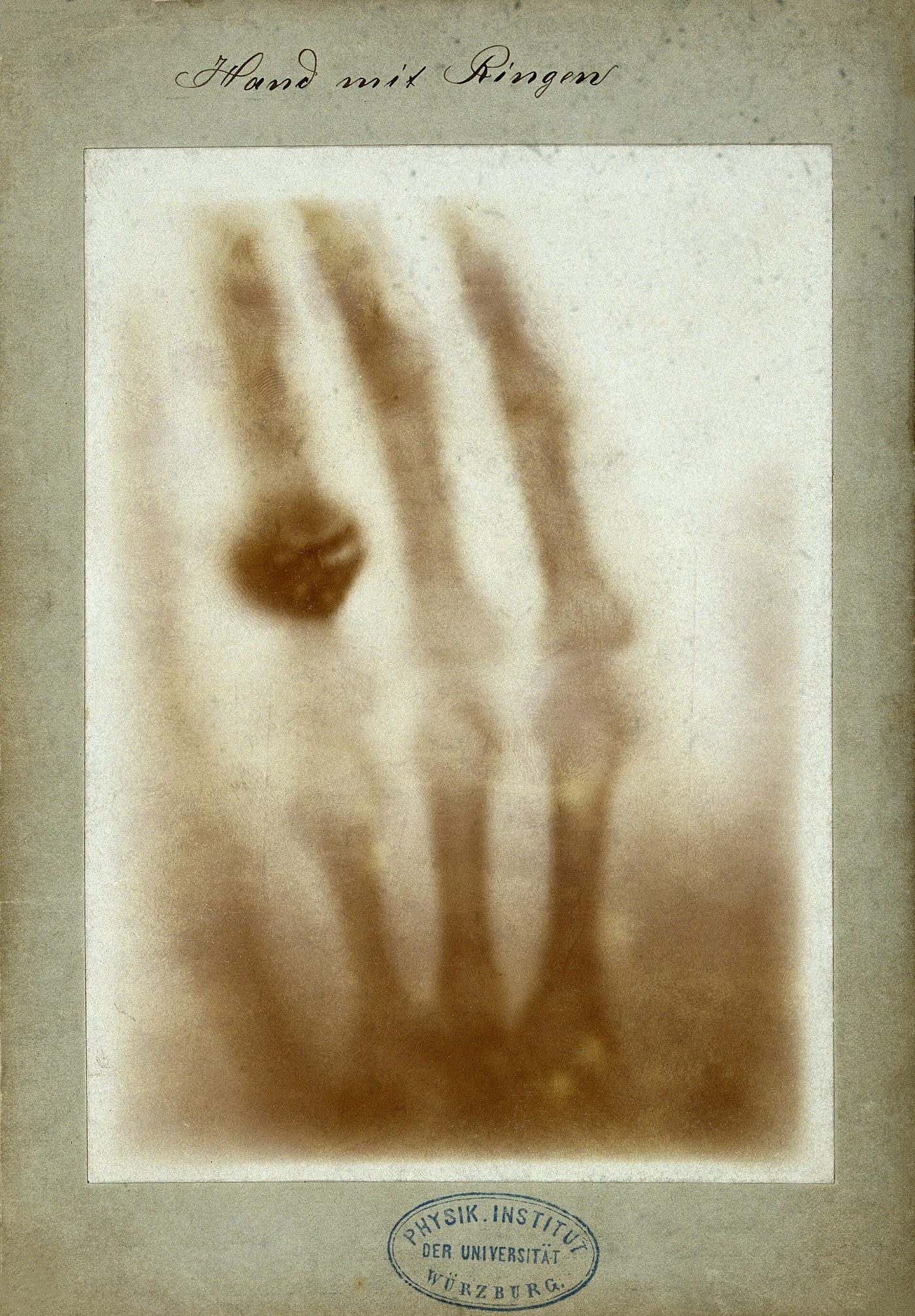
The first X-ray of a hand
In December 1895 Wilhelm Röntgen made an X-ray picture of his wife Anna Bertha’s hand. Her bones and her wedding ring show up clearly, because X-rays pass through flesh but are stopped by bone and metal.
Photo: Wilhelm Röntgen, Public domain, via Wikimedia Commons

Try 5 questions
Quick questions on skeleton, marked as you go. Each one explains the answer.
Question 1 of 5
About how many bones are there in an adult human skeleton?
Choose an answer. Each question explains itself.
The homework sheet
About twenty minutes. Everything on it is in the notes above; the answers are on the last page.
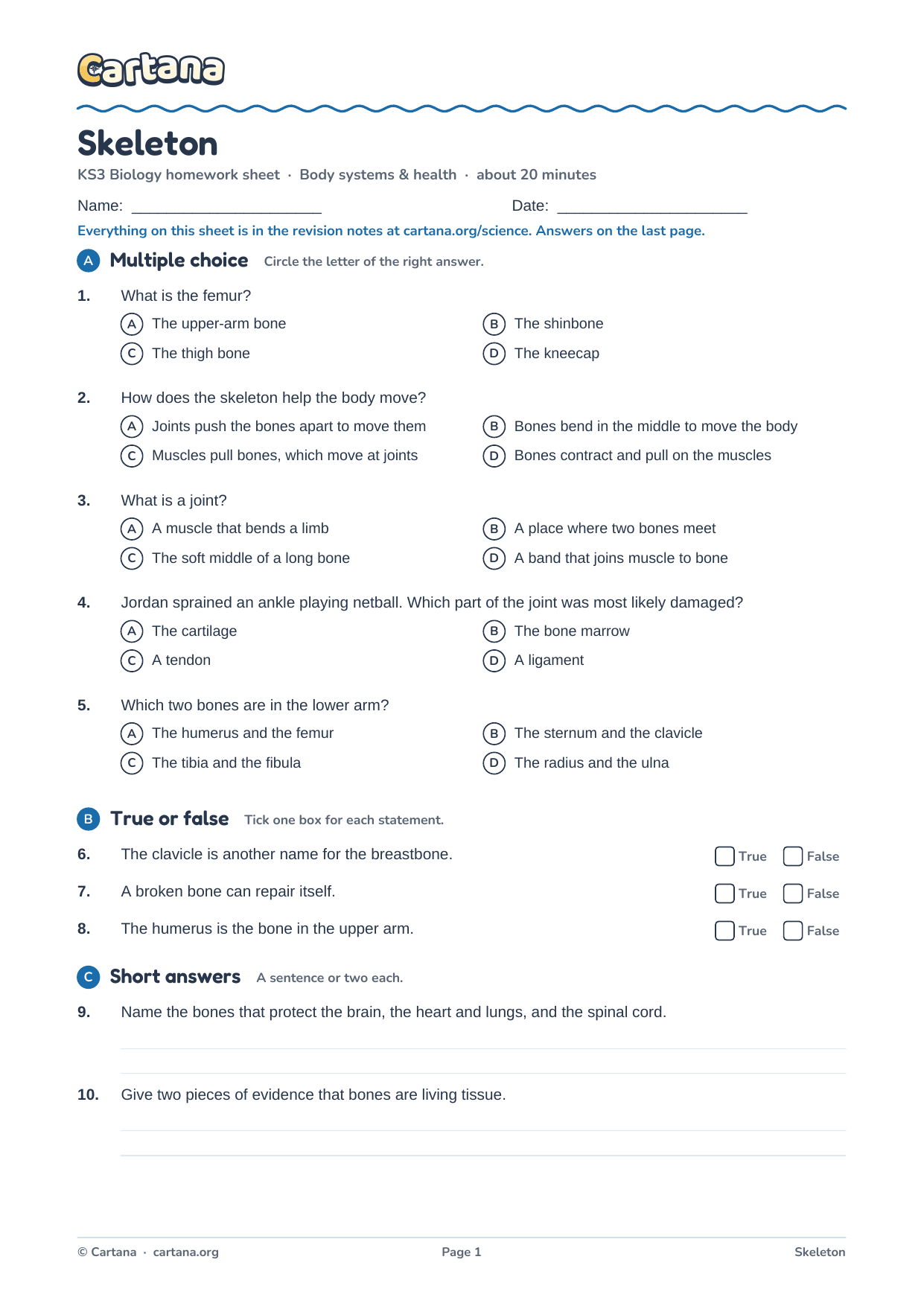
Free homework sheet
Skeleton homework sheet
17 questions, about twenty minutes, with the answers on the last page: multiple choice, true or false, short answers, key words to define and one to explain in full.
KS3 Body systems & health
Revised the whole unit? There is a 40-mark Body systems & health test paper with a mark scheme.
 Watch the trailer · 1:06
New from Cartana · Beta test 1–31 December
Revision that feels like an adventure
Cartana is our KS3 learning adventure: sail between islands, answer quick-fire questions and battle bosses. It starts with science, with maths on the way, and launches in 2027. This December a small group of testers gets to play it first.
In the Cartana adventure, skeleton is Bonemouth, a district of the island Cardia.
- Play the game before its official release
- Help us build it with your feedback
- Earn exclusive in-game items in return
More in this unit