
KS3 Biology · Ecosystems & food webs
Competition
- What plants and animals compete for, and why members of one species compete hardest
- What happens to the losers, and how bluebells avoid competing with the trees
- Reading a predator–prey graph: why the predator peak comes after the prey peak
- Winners and losers: red and grey squirrels, Japanese knotweed and the cuckoo
- 1 min read
- 5 quick questions
- Free homework sheet
- Years 7 to 9
Revision notes
Organisms compete for things in short supply. Plants compete for light, water, minerals and space. Animals compete for food, water, space (territory) and mates. Members of the same species compete hardest, because they need exactly the same things.
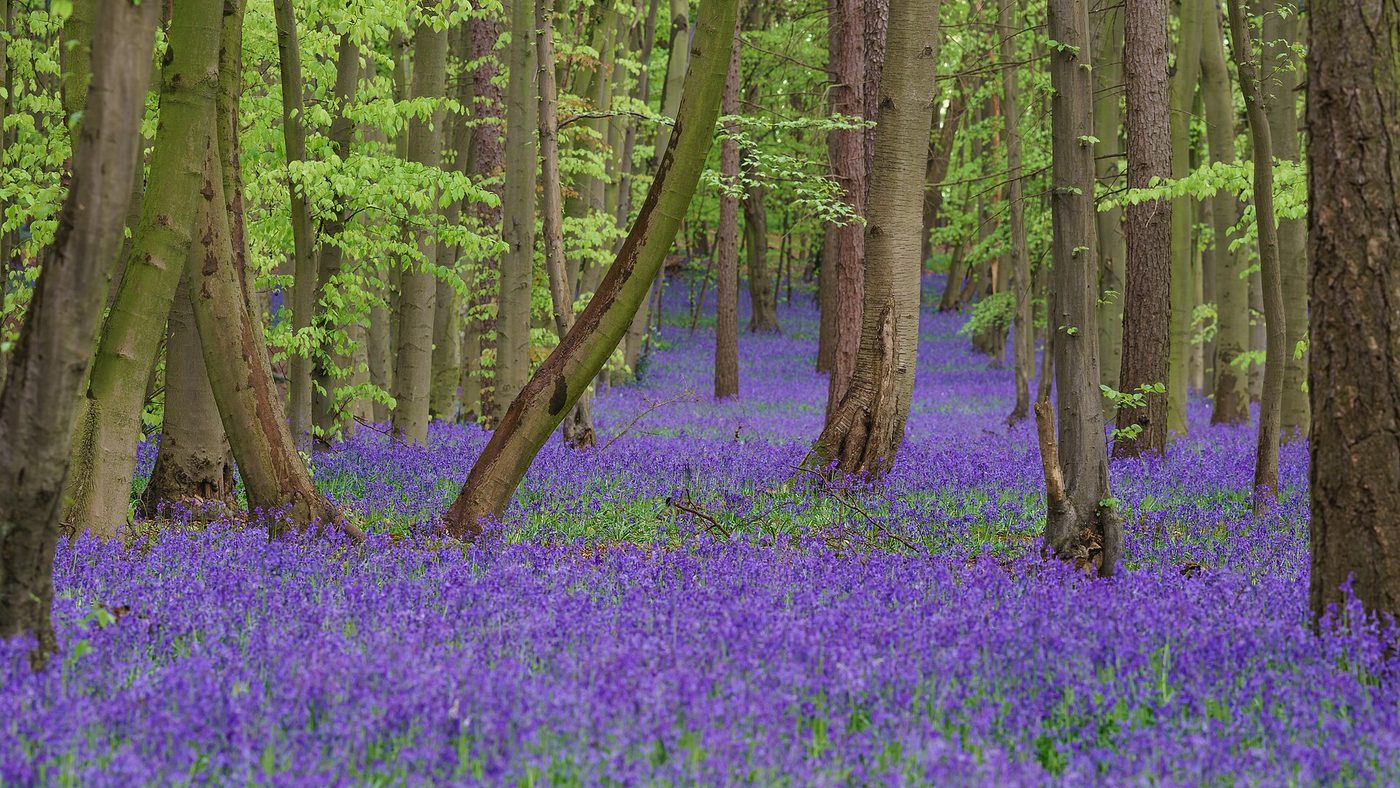
Losing a competition means growing less, having fewer young, moving away or dying. Some organisms dodge it: bluebells flower in spring, before the trees above them come into full leaf.

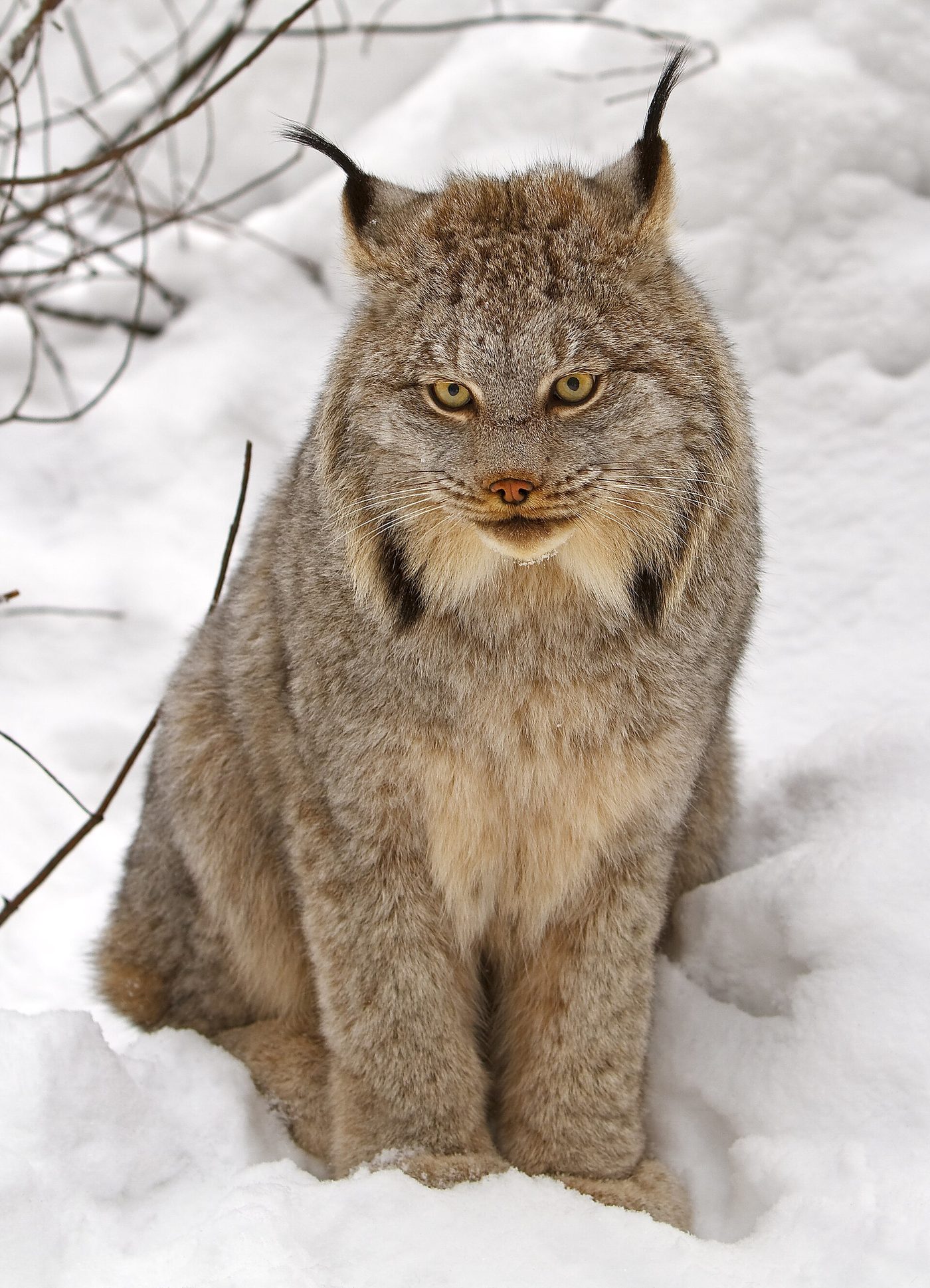
Predator–prey cycles. When prey increase, the predators have more food, so they increase too, a little later. More predators eat more prey, so the prey fall. Then the predators go hungry and fall, and the prey recover. Canada lynx and snowshoe hares do this roughly every ten years.

Winners and losers. Grey squirrels outcompete red squirrels: they are bigger, digest acorns better and carry squirrelpox. Japanese knotweed crowds out native plants. A cuckoo chick pushes out its foster brothers and sisters and gets all the food.
Written to the KS3 national curriculum. Last changed 2 November 2026.
Key words
Say them, spell them, use them in an answer.
- compete
- Plants
- Animals
- bluebells
- Predator–prey cycles
- Winners and losers
Common misconception
Often said“Predators eat their prey until there are none left.”
In factWhen prey run short, predators go hungry and their numbers fall, so the prey recover. Their numbers rise and fall in cycles.
Did you know?
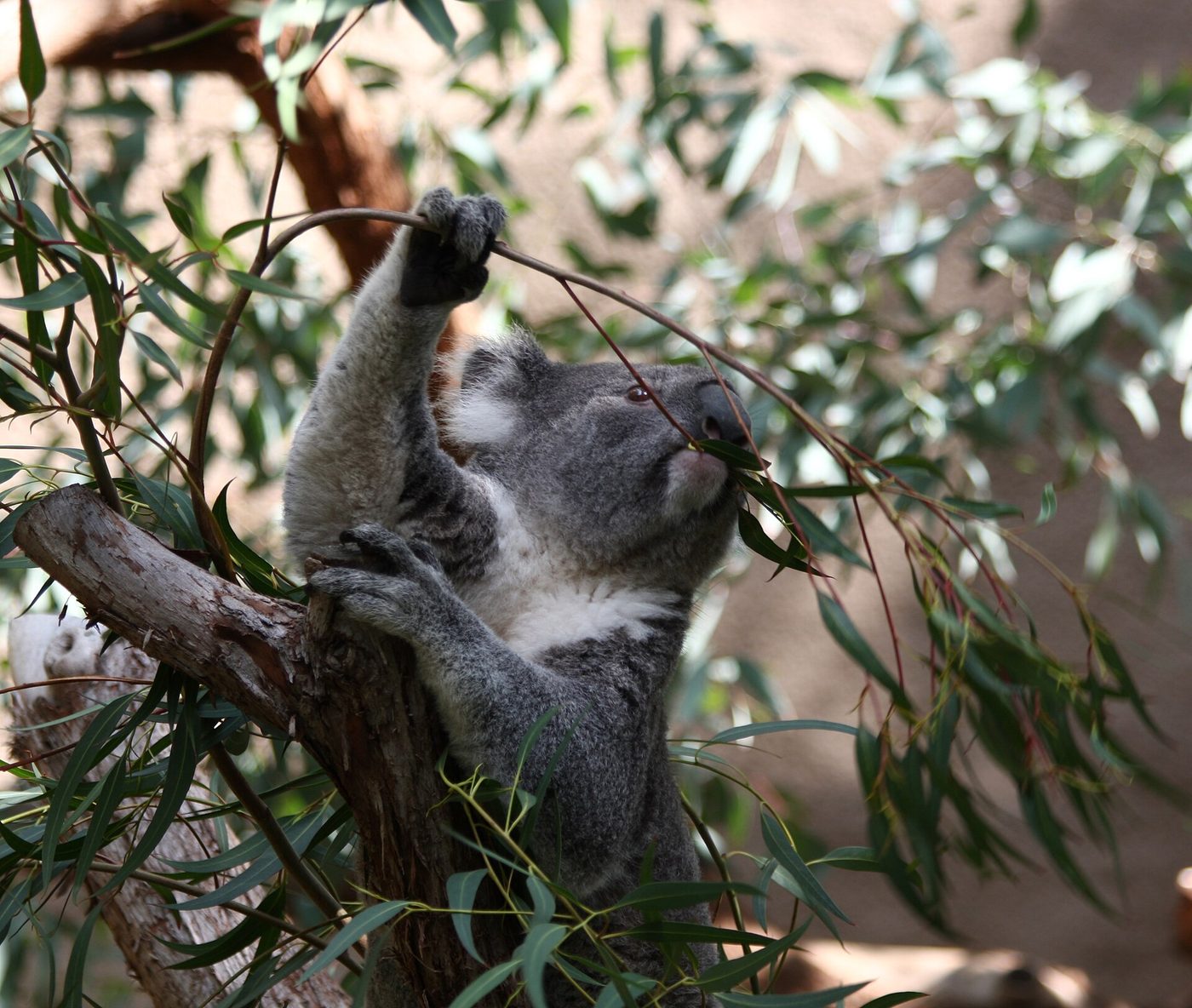
Koala
It lives almost entirely on eucalyptus leaves, which are poisonous and low in energy for most animals. Few animals compete with it for them, and it sleeps for most of the day to save energy.
Photo: Rennett Stowe, CC BY 2.0, via Wikimedia Commons

Try 5 questions
Quick questions on competition, marked as you go. Each one explains the answer.
Question 1 of 5
What can happen to an animal that loses out in competition for food?
Choose an answer. Each question explains itself.
The homework sheet
About twenty minutes. Everything on it is in the notes above; the answers are on the last page.
Free homework sheet
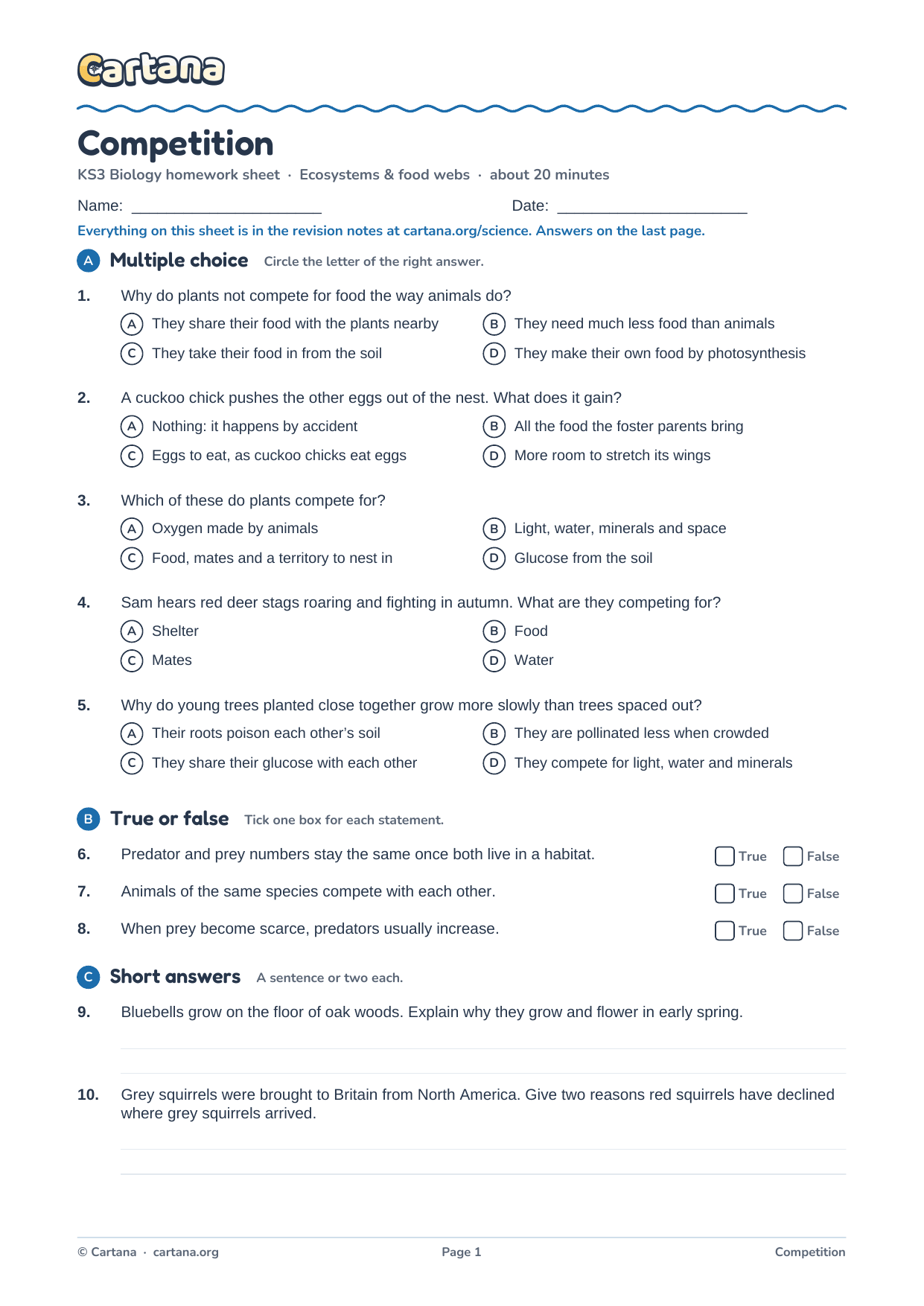
Competition homework sheet
17 questions, about twenty minutes, with the answers on the last page: multiple choice, true or false, short answers, key words to define and one to explain in full.
KS3 Ecosystems & food webs
Revised the whole unit? There is a 40-mark Ecosystems & food webs test paper with a mark scheme.
 Watch the trailer · 1:06
New from Cartana · Beta test 1–31 December
Revision that feels like an adventure
Cartana is our KS3 learning adventure: sail between islands, answer quick-fire questions and battle bosses. It starts with science, with maths on the way, and launches in 2027. This December a small group of testers gets to play it first.
In the Cartana adventure, competition is Rivals’ Ridge, a district of the island Munchu Picchu.
- Play the game before its official release
- Help us build it with your feedback
- Earn exclusive in-game items in return
More in this unit