
KS3 Biology · Ecosystems & food webs
Toxins and pollinators
- Bioaccumulation: how toxins such as DDT and mercury build up along food chains
- DDT and birds of prey, and why big predatory fish can hold more mercury
- Pollination, the insects that do it, and why food security depends on them
- Other ways people harm ecosystems, and how they can help them recover
- 2 min read
- 5 quick questions
- Free homework sheet
- Years 7 to 9
Revision notes
Some toxic substances, such as the pesticide DDT and the metal mercury, are not broken down or got rid of by animals. They stay in their bodies and build up along food chains. This is bioaccumulation.
Each animal eats many of the ones below it, so the dose multiplies at every step. Top predators get the highest dose. In the 1950s and 1960s, pesticides such as DDT made birds of prey such as peregrines lay eggs with thin shells that broke, or killed the birds outright, and they became rare. After these pesticides were banned, they recovered.
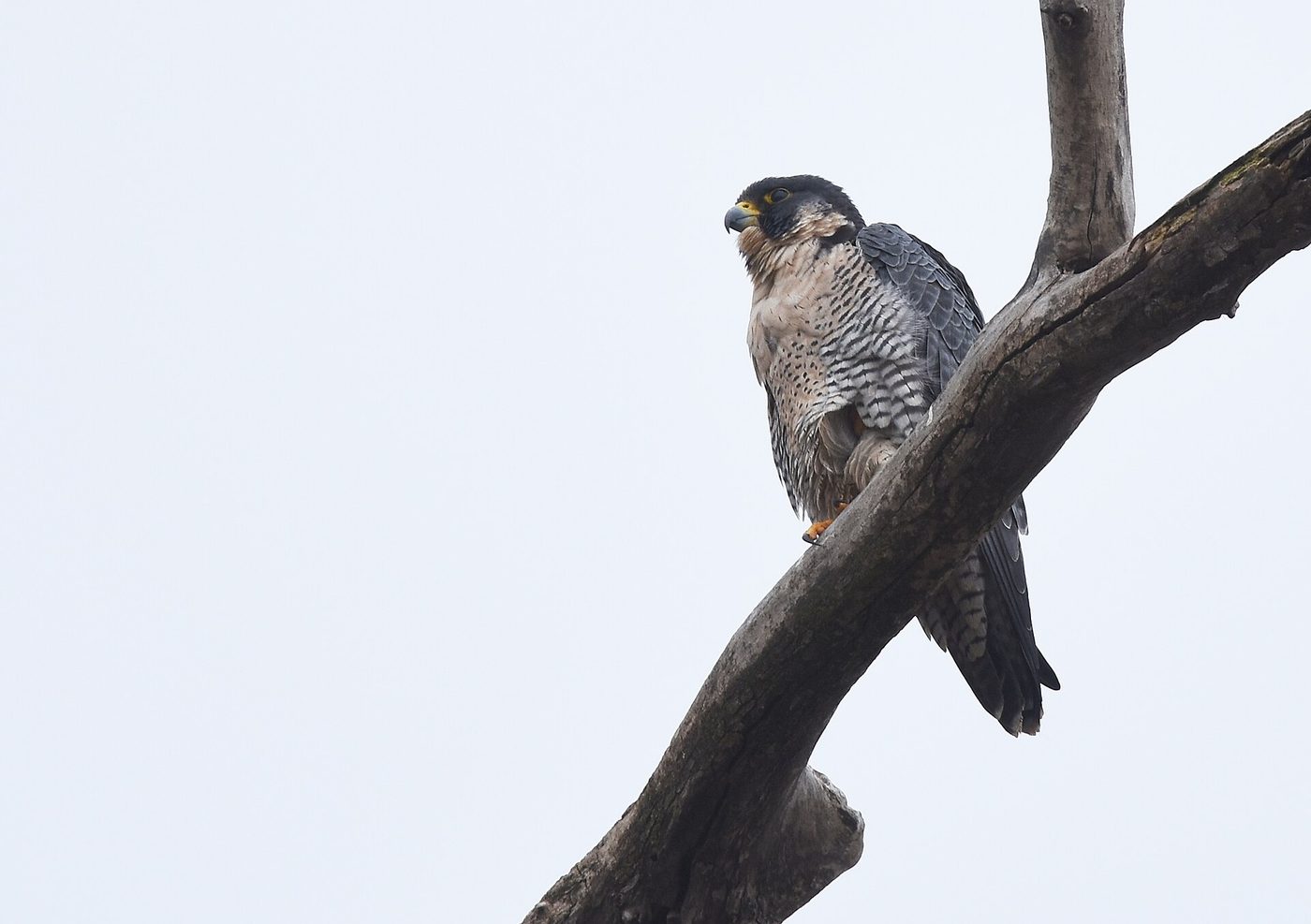

People can be affected too. Big predatory fish such as tuna and swordfish can contain more mercury, so pregnant women are advised to limit them.
Pollination is the transfer of pollen to the stigma of a flower, so seeds and fruit can form. Bees, hoverflies, butterflies, moths and beetles pollinate many crops, such as apples, strawberries and beans. Cereals such as wheat, rice and maize need no insects: they pollinate themselves or are pollinated by the wind.
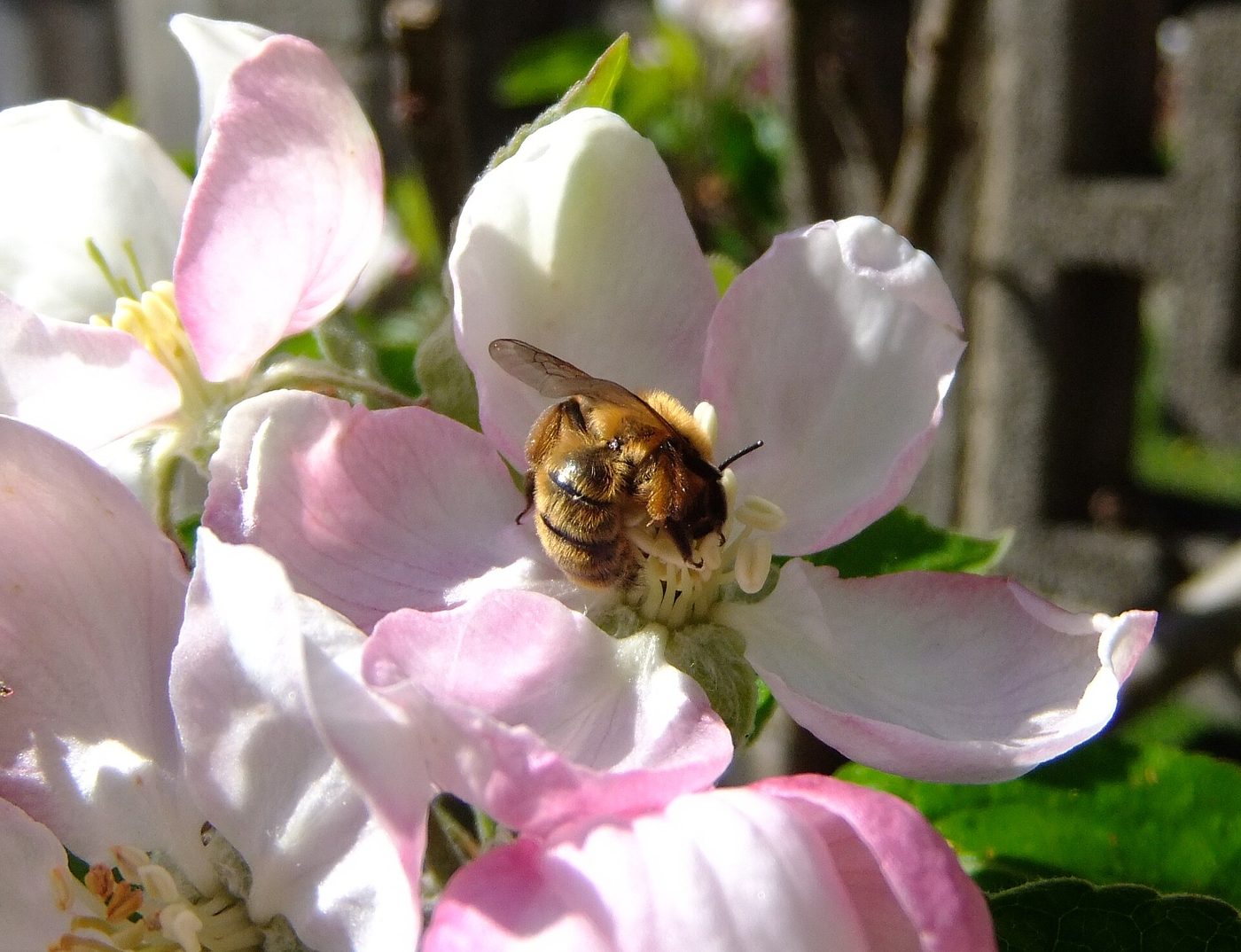

Food security means everyone having reliable access to enough safe, nutritious food. Pollinators have declined because of pesticides, loss of wildflower habitats and disease. Wildflower strips, hedges, bug hotels and using fewer pesticides all help.
| How people change ecosystems | What happens |
|---|---|
| Fertiliser runs into lakes and rivers | Algae grow fast, then die. Decomposers rotting them use up the oxygen, and fish die. |
| Plastic waste | Animals eat it or get tangled in it. Decomposers cannot break it down, so it lasts for hundreds of years. |
| Habitats destroyed | Meadows ploughed, hedges removed, woods cut down, land built on: the species living there lose their food and shelter. |
| Climate change | Seasons shift, so food webs can fall out of step: blue tit chicks can hatch after the caterpillars they need have peaked. |
| Introduced species | Newcomers such as grey squirrels and signal crayfish outcompete or infect native species (see Food webs). |
People can help too: nature reserves, planting hedges and wildflowers, cleaning up rivers, cutting pollution, and bringing back missing species such as beavers and pine martens. Peregrines and otters recovered once the pesticides harming them were banned.
Written to the KS3 national curriculum. Last changed 2 November 2026.
Key words
Say them, spell them, use them in an answer.
- DDT
- mercury
- bioaccumulation
- Pollination
- Food security
Common misconception
Often said“A pesticide stays on the field where it is sprayed.”
In factIt can wash into rivers, build up in animals and harm top predators and pollinators far away.
Did you know?
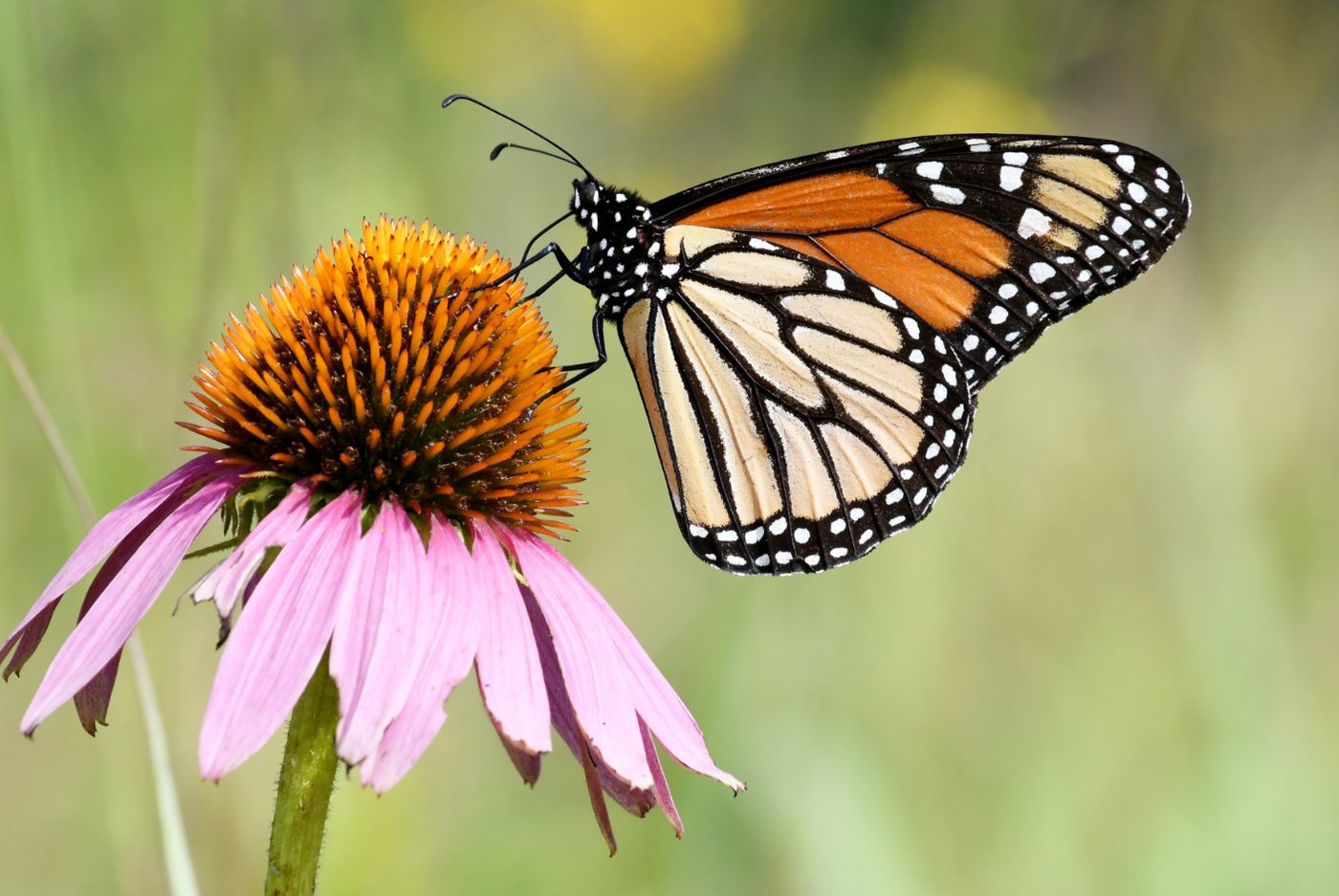
Monarch butterfly
Its caterpillars eat milkweed, which is poisonous, and keep the poison in their bodies. A bird that eats one is sick and learns to leave monarchs alone. The adults pollinate flowers as they drink nectar.
Photo: Jim Hudgins, USFWS, Public domain, via Wikimedia Commons

Try 5 questions
Quick questions on toxins and pollinators, marked as you go. Each one explains the answer.
Question 1 of 5
Pesticide sprayed on fields has been found in fish-eating birds that never visited the fields.
Choose an answer. Each question explains itself.
The homework sheet
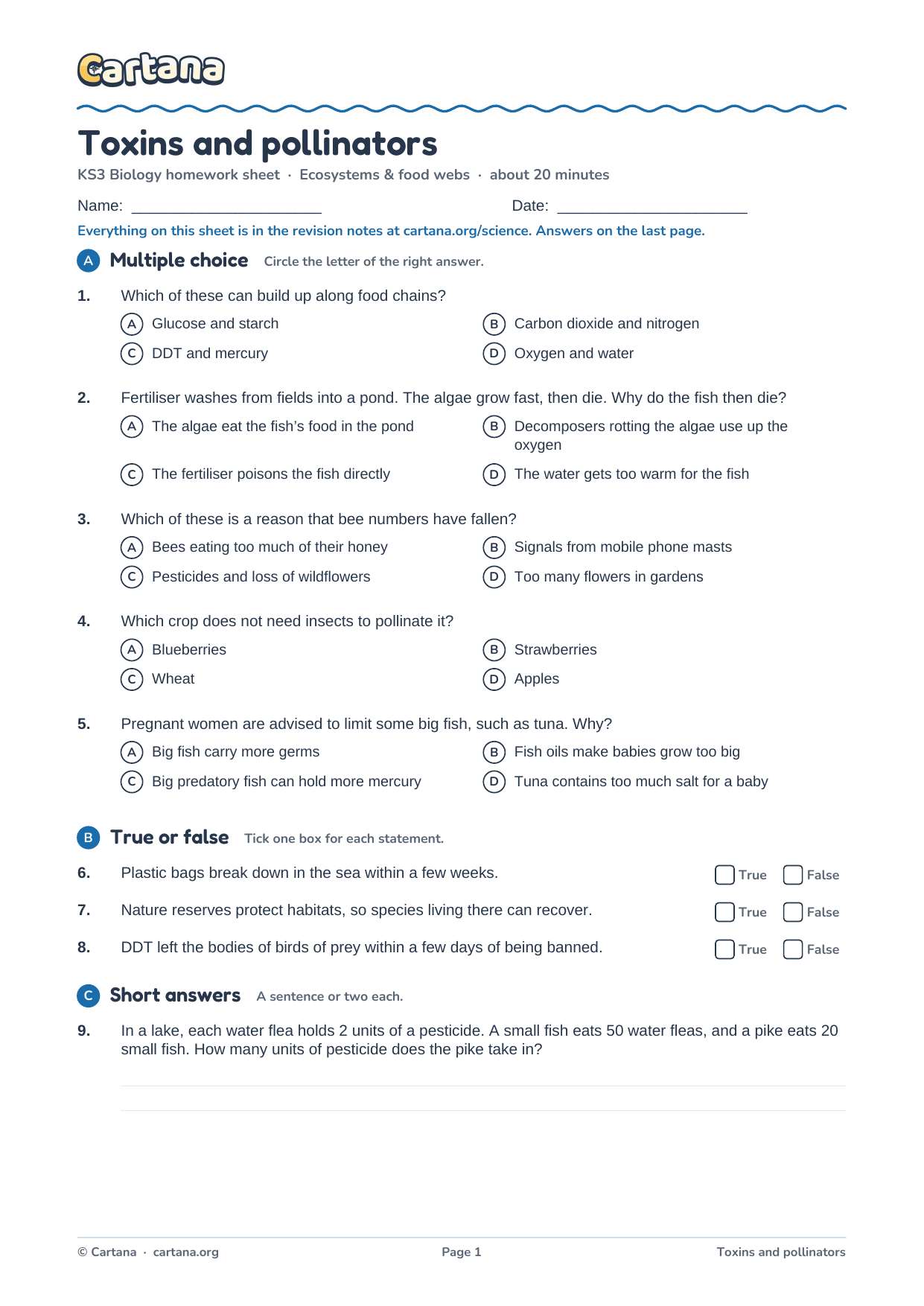
About twenty minutes. Everything on it is in the notes above; the answers are on the last page.
Free homework sheet
Toxins and pollinators homework sheet
17 questions, about twenty minutes, with the answers on the last page: multiple choice, true or false, short answers, key words to define and one to explain in full.
KS3 Ecosystems & food webs
Revised the whole unit? There is a 40-mark Ecosystems & food webs test paper with a mark scheme.
 Watch the trailer · 1:06
New from Cartana · Beta test 1–31 December
Revision that feels like an adventure
Cartana is our KS3 learning adventure: sail between islands, answer quick-fire questions and battle bosses. It starts with science, with maths on the way, and launches in 2027. This December a small group of testers gets to play it first.
In the Cartana adventure, toxins and pollinators is Blossom Bay, a district of the island Munchu Picchu.
- Play the game before its official release
- Help us build it with your feedback
- Earn exclusive in-game items in return
More in this unit