
KS3 Biology · Genetics & evolution
Variation
- Variation between species and within a species, and what a species is
- Continuous and discontinuous variation, with examples of each
- Measuring fairly, grouping results, and drawing a histogram or a bar chart
- Reading the mode and the range, and why a bigger sample is fairer
- 2 min read
- 5 quick questions
- Free homework sheet
- Years 7 to 9
Revision notes
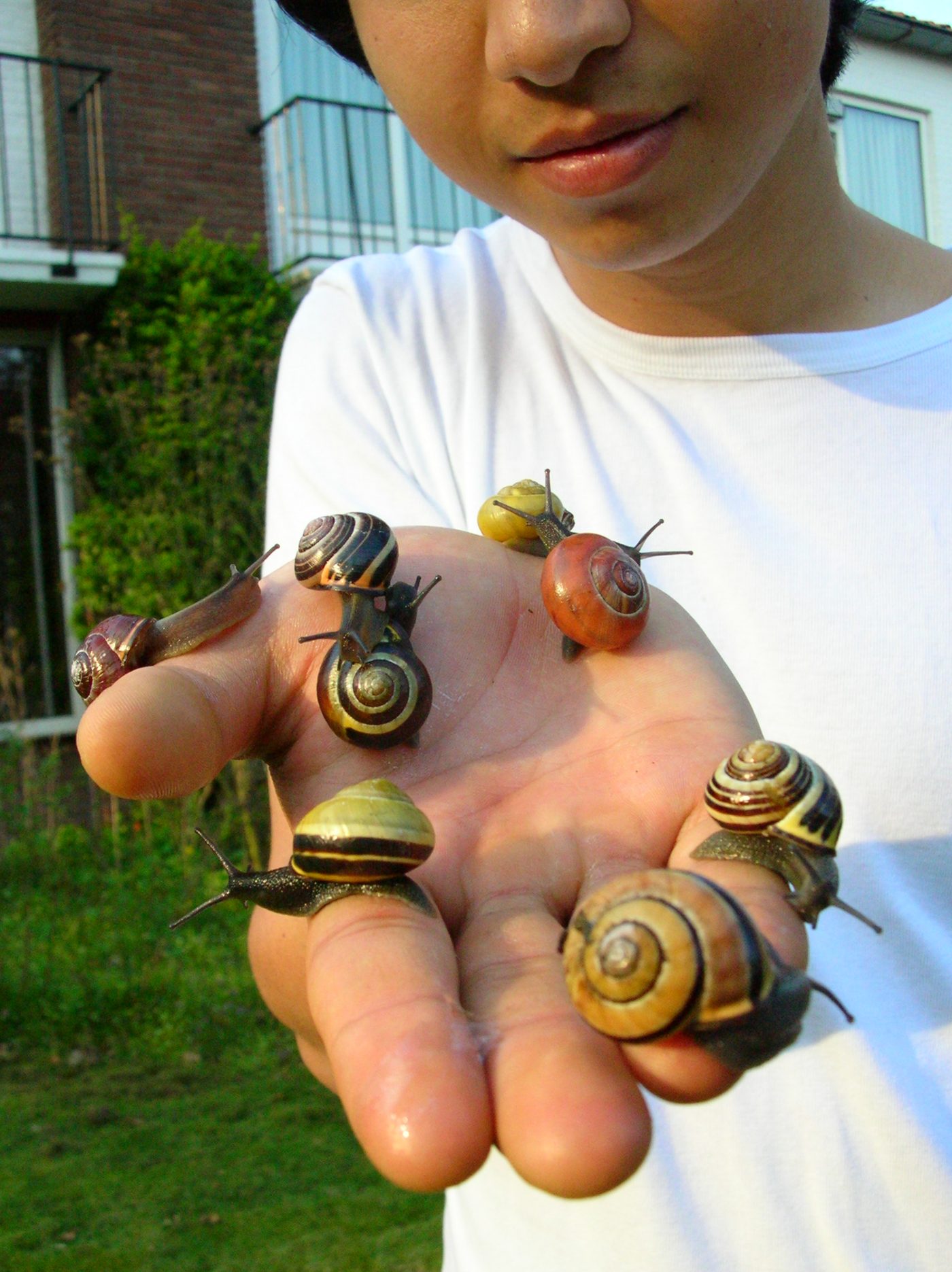
Variation means differences between living things. There is variation between species (a robin and a blackbird) and variation within a species (two robins). A species is a group of living things that can breed together to produce fertile offspring.

| Continuous variation | Discontinuous variation | |
|---|---|---|
| What it means | Can take any value within a range | Falls into a few distinct groups, nothing in between |
| Examples | Height, mass, hand span, foot length, leaf length | Blood group, eye colour, whether you can roll your tongue, a pea seed being wrinkled or smooth |
| How to record it | Measure carefully (to the nearest mm), then group the results into equal ranges | Count how many are in each group with a tally |
| Chart | A bar chart of the groups with the bars touching (a histogram). Lots of people gives a bell-shaped curve | A bar chart with a separate bar for each group |
Reading the results. The mode is the most common value or group: the tallest bar. The range is the biggest value minus the smallest, and it tells you how spread out the results are. A sample is the smaller group you measure to learn about a bigger one; a bigger sample gives a fairer picture. For a fair investigation, measure everyone the same way: same tape, shoes off, standing straight.
What causes variation? Inherited differences, the environment, or both. Two seeds from the same plant grown in the sun and in a cupboard end up different heights: that difference is environmental.
Stretch Grouping continuous data does not make it discontinuous: foot length stays continuous even when it is sorted into shoe sizes, and the groups are just a way of drawing it. In 1846 Adolphe Quetelet measured 5,738 soldiers’ chests and found a bell curve, one of the first times the pattern was spotted in living things.
Written to the KS3 national curriculum. Last changed 2 November 2026.
Key words
Say them, spell them, use them in an answer.
- Variation
- between species
- within a species
- species
- few distinct groups
- group
- bars touching
- separate bar
- Reading the results
- mode
- range
- sample
- What causes variation
Common misconception
Often said“Identical twins are identical in every way.”
In factThey share the same DNA, but the environment shapes them too. Their fingerprints differ, and so can their height, weight and tastes.
Did you know?
Quetelet’s soldiers
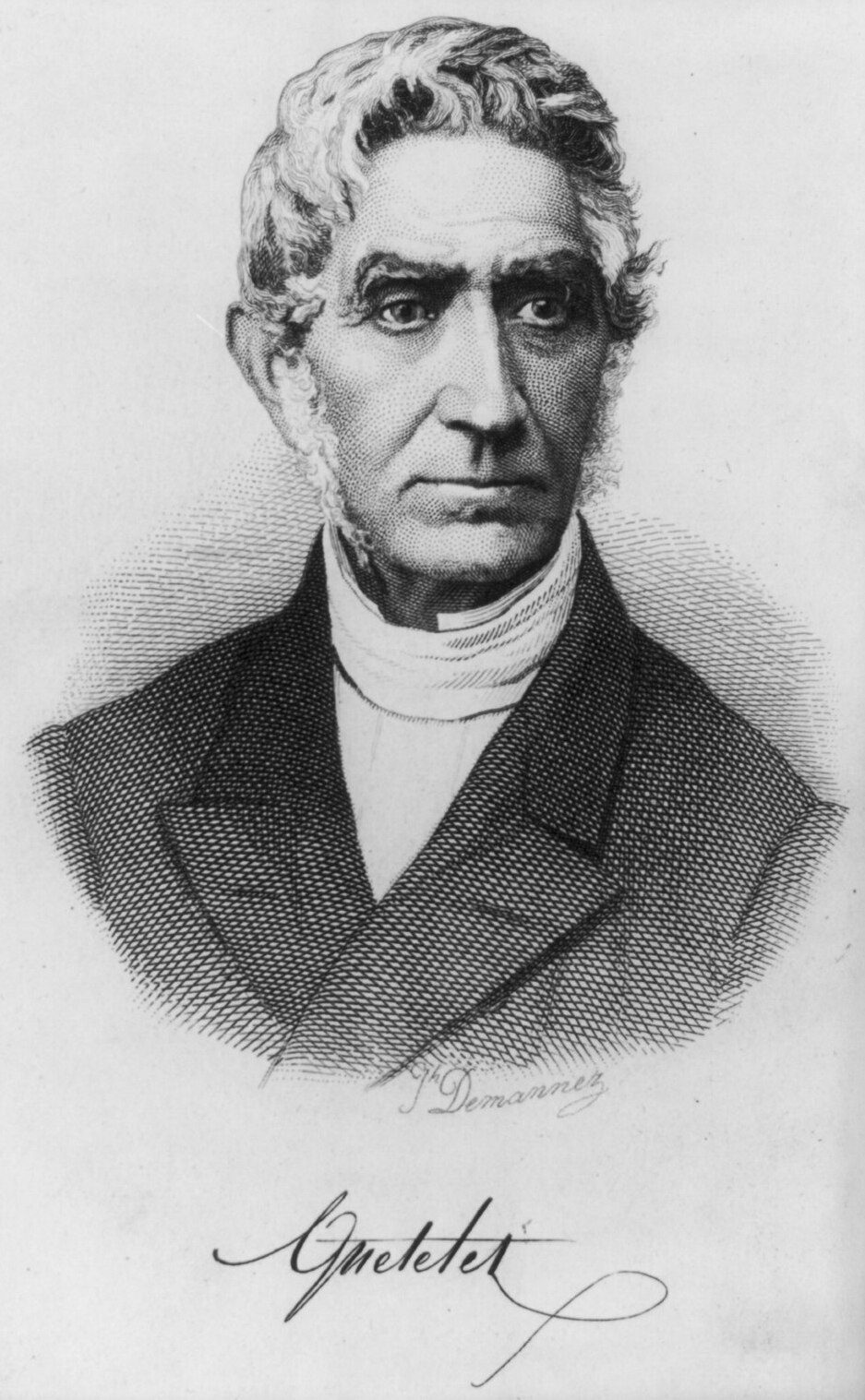
In 1846 the Belgian scientist Adolphe Quetelet studied the chest measurements of 5,738 Scottish soldiers and found that they made a bell-shaped curve: most near the middle, a few very large or very small. It was one of the first times anyone saw the bell curve in living things.
Photo: Joseph-Arnold Demannez, Public domain, via Wikimedia Commons

Try 5 questions
Quick questions on variation, marked as you go. Each one explains the answer.
Question 1 of 5
Which chart suits discontinuous data such as eye colour?
Choose an answer. Each question explains itself.
The homework sheet
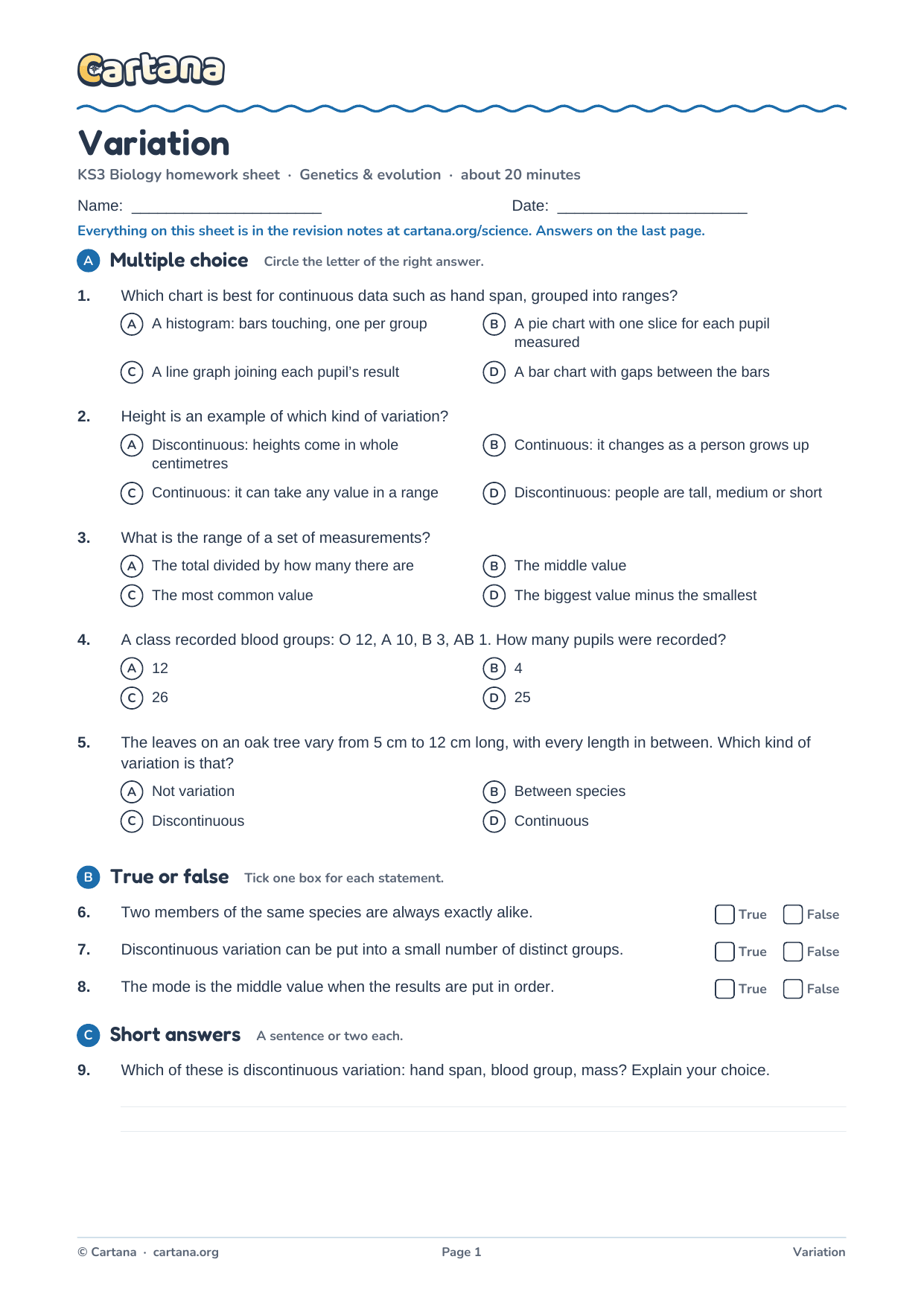
About twenty minutes. Everything on it is in the notes above; the answers are on the last page.
Free homework sheet
Variation homework sheet
17 questions, about twenty minutes, with the answers on the last page: multiple choice, true or false, short answers, key words to define and one to explain in full.
KS3 Genetics & evolution
Revised the whole unit? There is a 40-mark Genetics & evolution test paper with a mark scheme.
 Watch the trailer · 1:06
New from Cartana · Beta test 1–31 December
Revision that feels like an adventure
Cartana is our KS3 learning adventure: sail between islands, answer quick-fire questions and battle bosses. It starts with science, with maths on the way, and launches in 2027. This December a small group of testers gets to play it first.
In the Cartana adventure, variation is Bell Curve Bay, a district of the island The Gene Pool.
- Play the game before its official release
- Help us build it with your feedback
- Earn exclusive in-game items in return
More in this unit