
KS3 Biology · Genetics & evolution
Selection
- What an adaptation is, and what living things compete for
- Natural selection in five steps, from variation to evolution
- The peppered moth and Darwin's finches as evidence
- Selective breeding, and why "fittest" means best fitted
- 3 min read
- 5 quick questions
- Free homework sheet
- Years 7 to 9
Revision notes
An adaptation is a feature that helps a living thing survive in its environment: a camel’s water-saving body, a polar bear’s white fur, a cactus’s spines, a finch’s beak shaped for its food. Living things in the same place compete for food, water, space, light and mates.
Natural selection, step by step:
- Variation. Individuals in a population differ, because of the genes they inherited.
- Competition. There is not enough food, space or safety for everyone.
- Survival. The individuals best suited to the environment are more likely to survive.
- Breeding. The survivors breed and pass their useful features on to their offspring.
- Change. Over many generations the useful feature becomes more common. The population has changed: that is evolution.
The peppered moth. Peppered moths rest on tree bark by day and come in a pale speckled form and a dark form. In the 1800s, soot from factories blackened the trees in towns such as Manchester. Birds could see the pale moths against the dark bark and ate them; the dark moths survived and bred. The first dark moth was recorded in Manchester in 1848, and by 1895 about 98% of the city’s peppered moths were dark. After the Clean Air Act of 1956 the bark lightened, and the pale form came back. The soot did not make moths dark. It made being dark an advantage.
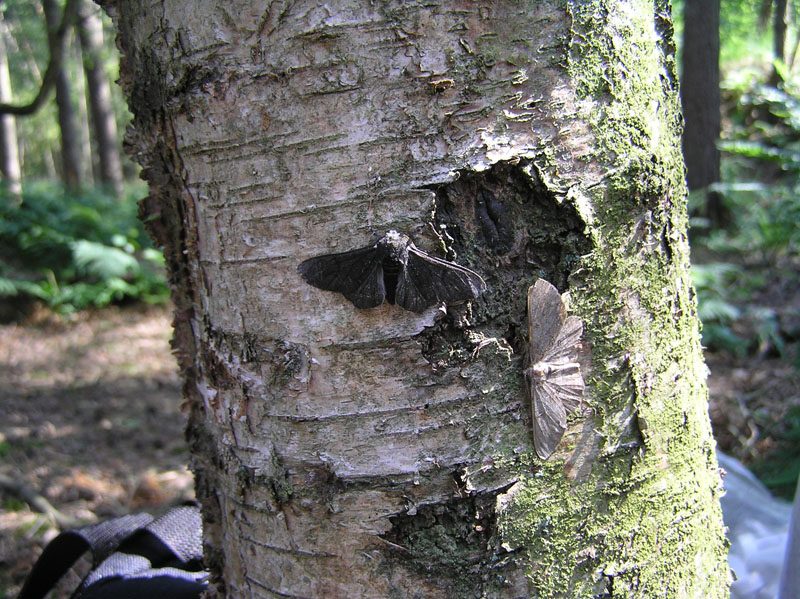

“Survival of the fittest” means survival of the best fitted to the environment, not the strongest. A change in the environment, such as soot, a drought or a new food, changes which variation is best fitted. Selection works on a whole population over many generations. An individual cannot evolve in its lifetime, and a giraffe stretching its neck does not give its babies longer necks: giraffes that happened to have longer necks survived and bred more.
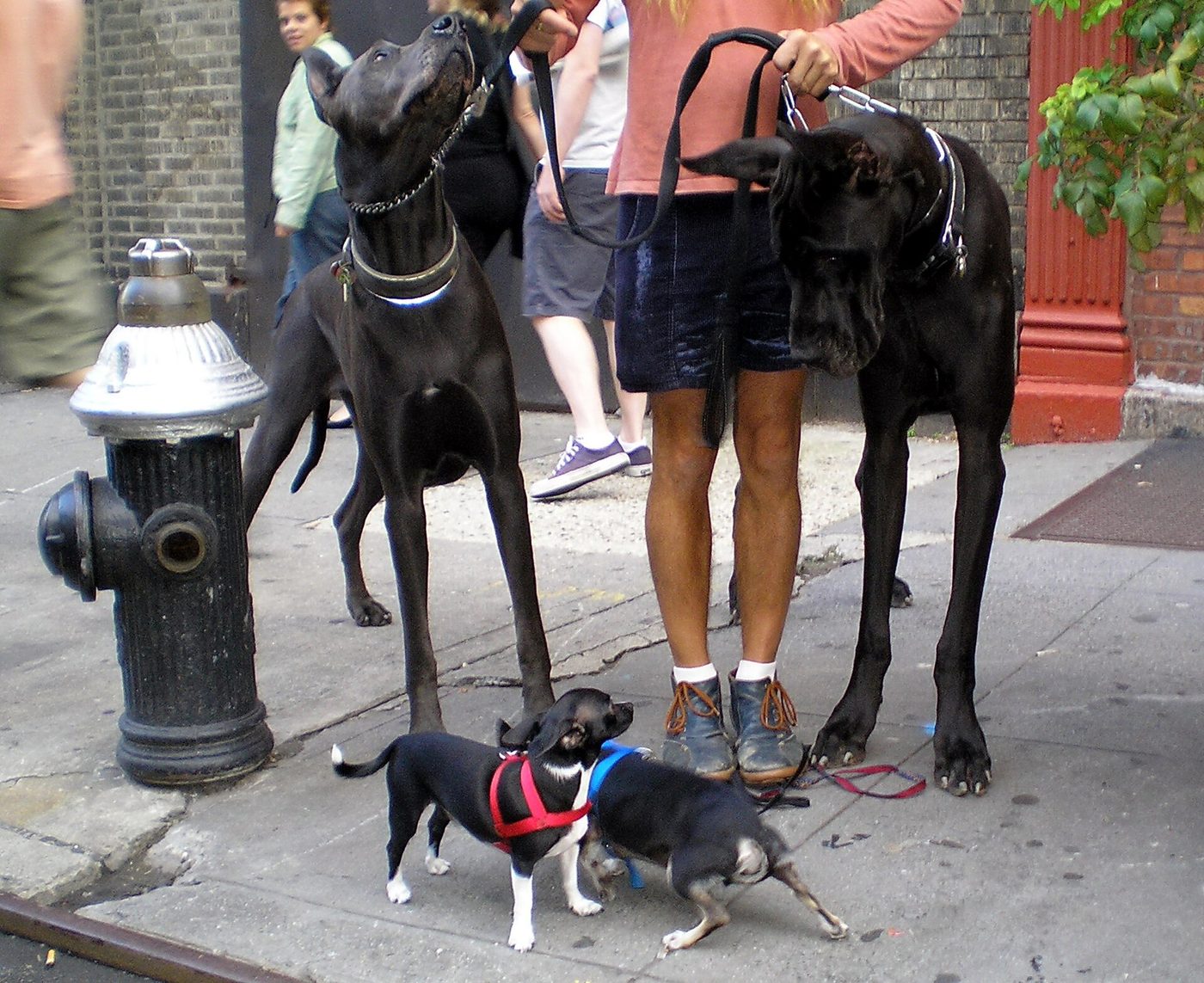
Selective breeding. People can do the selecting too. Farmers and breeders choose the parents with the feature they want, such as cows that give the most milk, wheat with big grains or dogs with a gentle nature, breed from them, and repeat it generation after generation. Every breed of dog was bred from wolves this way, and every dog breed is still one species. It is the same idea as natural selection (sometimes called artificial selection), but people choose instead of the environment.

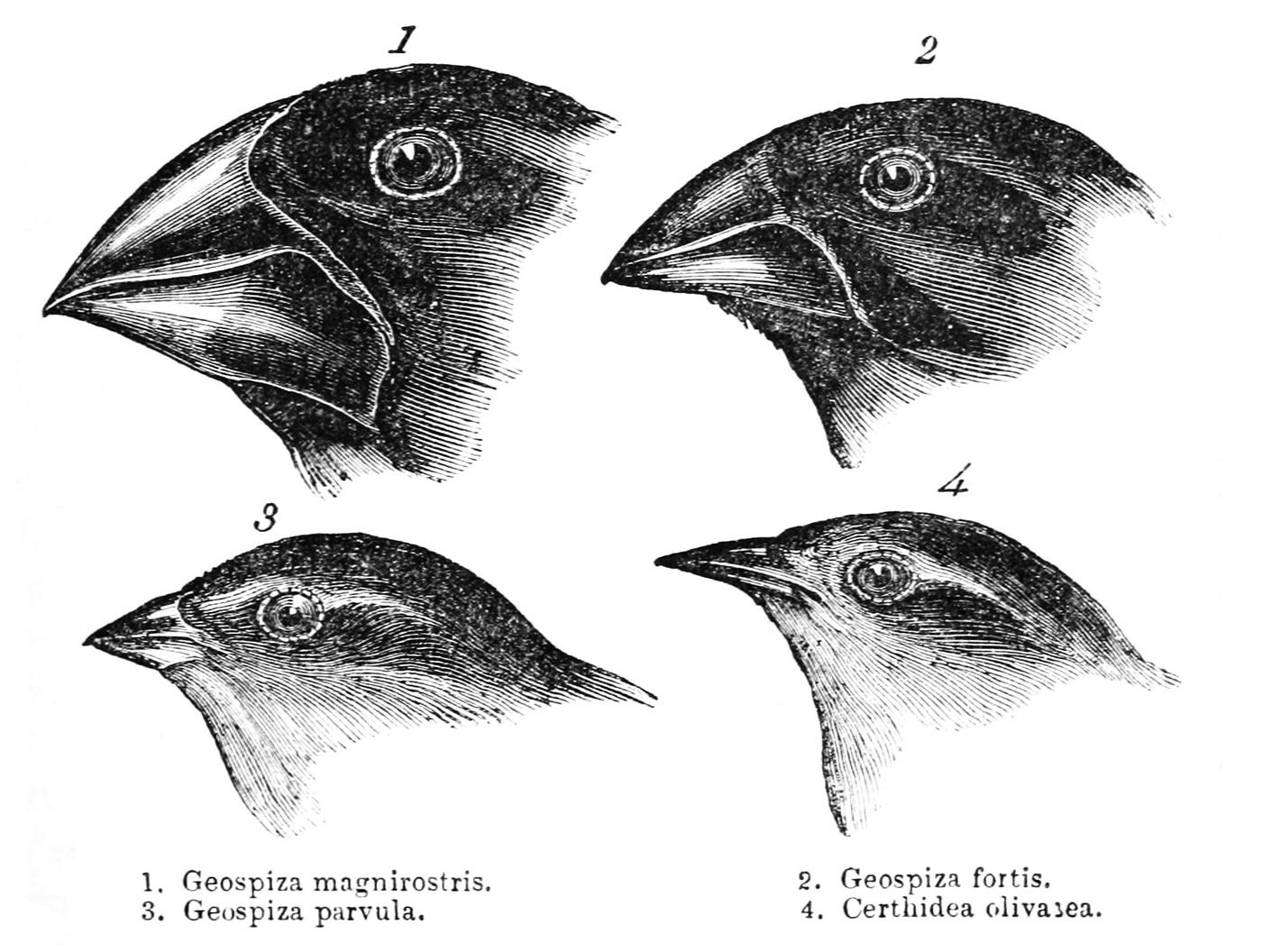
Who worked it out. Charles Darwin collected finches and other animals on the Galápagos Islands in 1835; the beaks on each island suited the local food. Alfred Russel Wallace, collecting in the islands of South-East Asia, came to the same idea on his own and wrote to Darwin in 1858. Their work was presented together in London that year, and Darwin published On the Origin of Species in 1859.
Stretch Bacteria can become resistant to antibiotics by natural selection, very fast, because they breed so quickly: any that happen to survive a drug breed and spread. It is one reason to take antibiotics exactly as the doctor says. Earlier, Jean-Baptiste Lamarck had suggested that animals pass on changes they make during their lives; that idea was wrong.
Written to the KS3 national curriculum. Last changed 2 November 2026.
Key words
Say them, spell them, use them in an answer.
- adaptation
- compete
- Natural selection
- evolution
- Selective breeding
- artificial selection
- Charles Darwin
- Alfred Russel Wallace
Common misconception
Often said“Evolution makes animals bigger, better and stronger.”
In factNatural selection makes a population better suited to its environment. “Fittest” means best fitted, and sometimes that means smaller, slower or plainer.
Did you know?
Darwin’s finches
In 1835 Charles Darwin collected small birds on the Galápagos Islands while sailing on HMS Beagle. Back in London the bird expert John Gould told him they were all finches, a dozen new species. Their beaks suited different foods, and it took Darwin years to see what that meant.
Photo: John Gould, Public domain, via Wikimedia Commons

Try 5 questions
Quick questions on selection, marked as you go. Each one explains the answer.
Question 1 of 5
Sam watches a finch with a thick, strong beak. That beak is best suited to eating…
Choose an answer. Each question explains itself.
The homework sheet
About twenty minutes. Everything on it is in the notes above; the answers are on the last page.
Free homework sheet
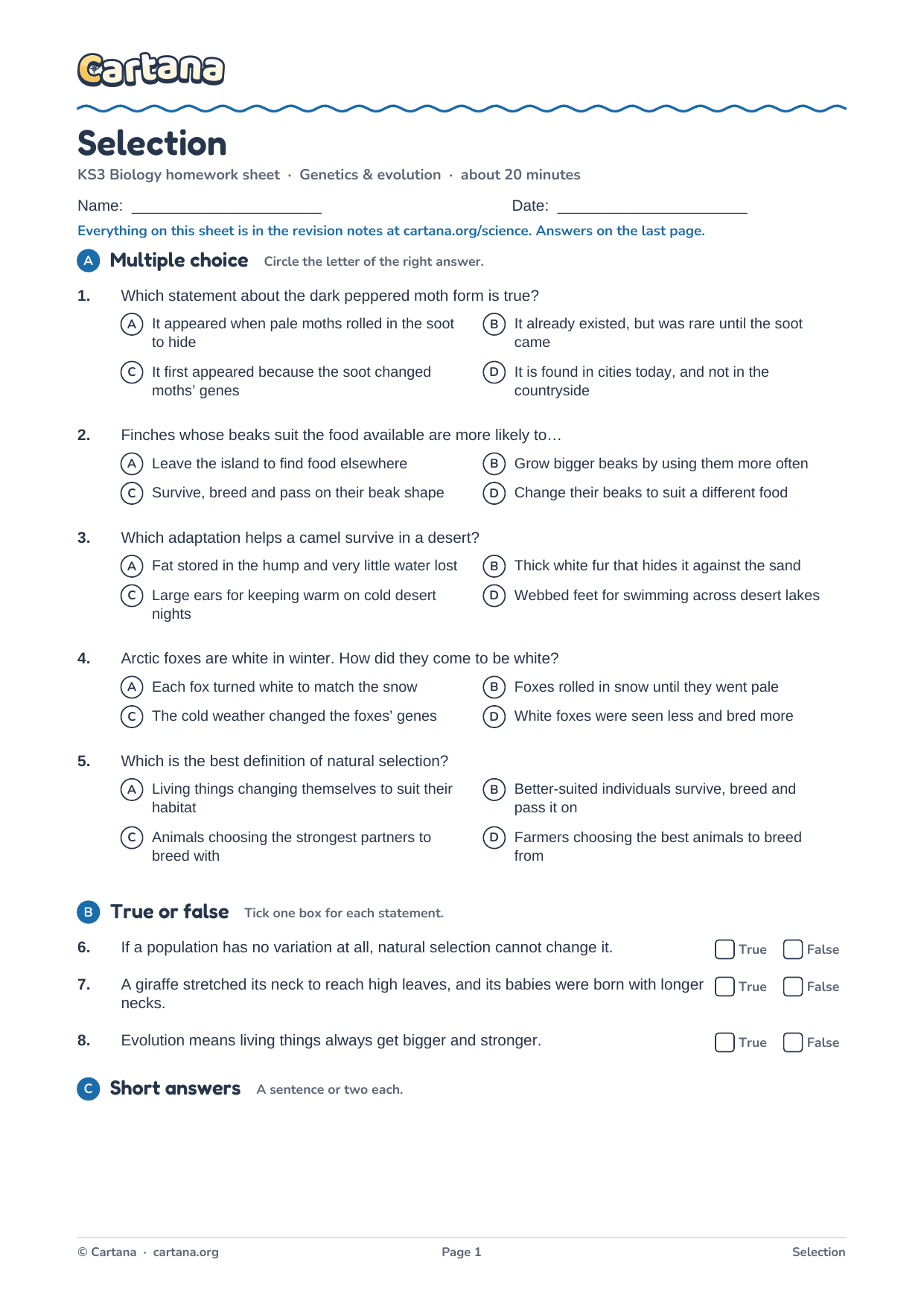
Selection homework sheet
17 questions, about twenty minutes, with the answers on the last page: multiple choice, true or false, short answers, key words to define and one to explain in full.
KS3 Genetics & evolution
Revised the whole unit? There is a 40-mark Genetics & evolution test paper with a mark scheme.
 Watch the trailer · 1:06
New from Cartana · Beta test 1–31 December
Revision that feels like an adventure
Cartana is our KS3 learning adventure: sail between islands, answer quick-fire questions and battle bosses. It starts with science, with maths on the way, and launches in 2027. This December a small group of testers gets to play it first.
In the Cartana adventure, selection is Finch Rocks, a district of the island The Gene Pool.
- Play the game before its official release
- Help us build it with your feedback
- Earn exclusive in-game items in return
More in this unit