
KS3 Biology · Cells & life processes
Cell parts
- The parts of animal and plant cells, and the job of each one
- The three parts only plant cells have: a cell wall, chloroplasts and a large vacuole
- Why plant cells are box-shaped, and why root cells have no chloroplasts
- Ribosomes, where proteins are made
- 1 min read
- 5 quick questions
- Free homework sheet
- Years 7 to 9
Revision notes
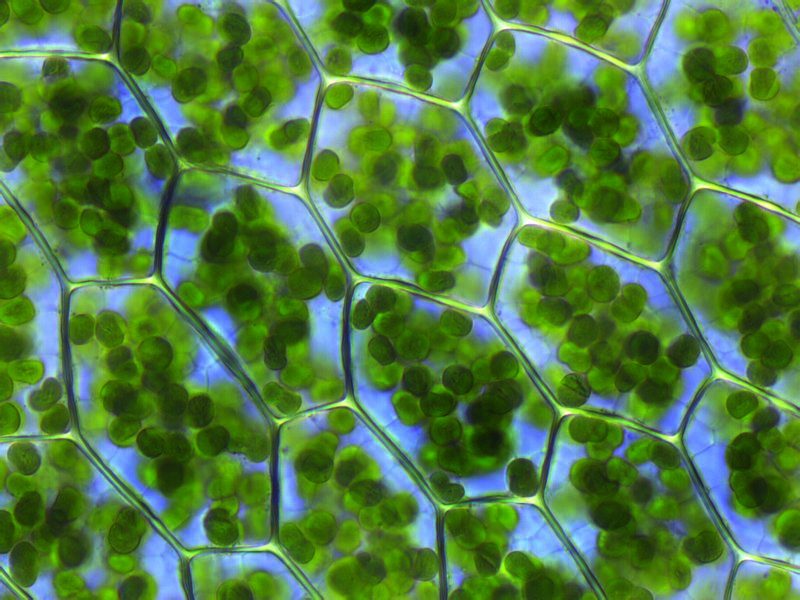
Animal and plant cells share four parts: a nucleus, cytoplasm, a cell membrane and mitochondria. Plant cells also have a cell wall, chloroplasts and a large permanent vacuole.
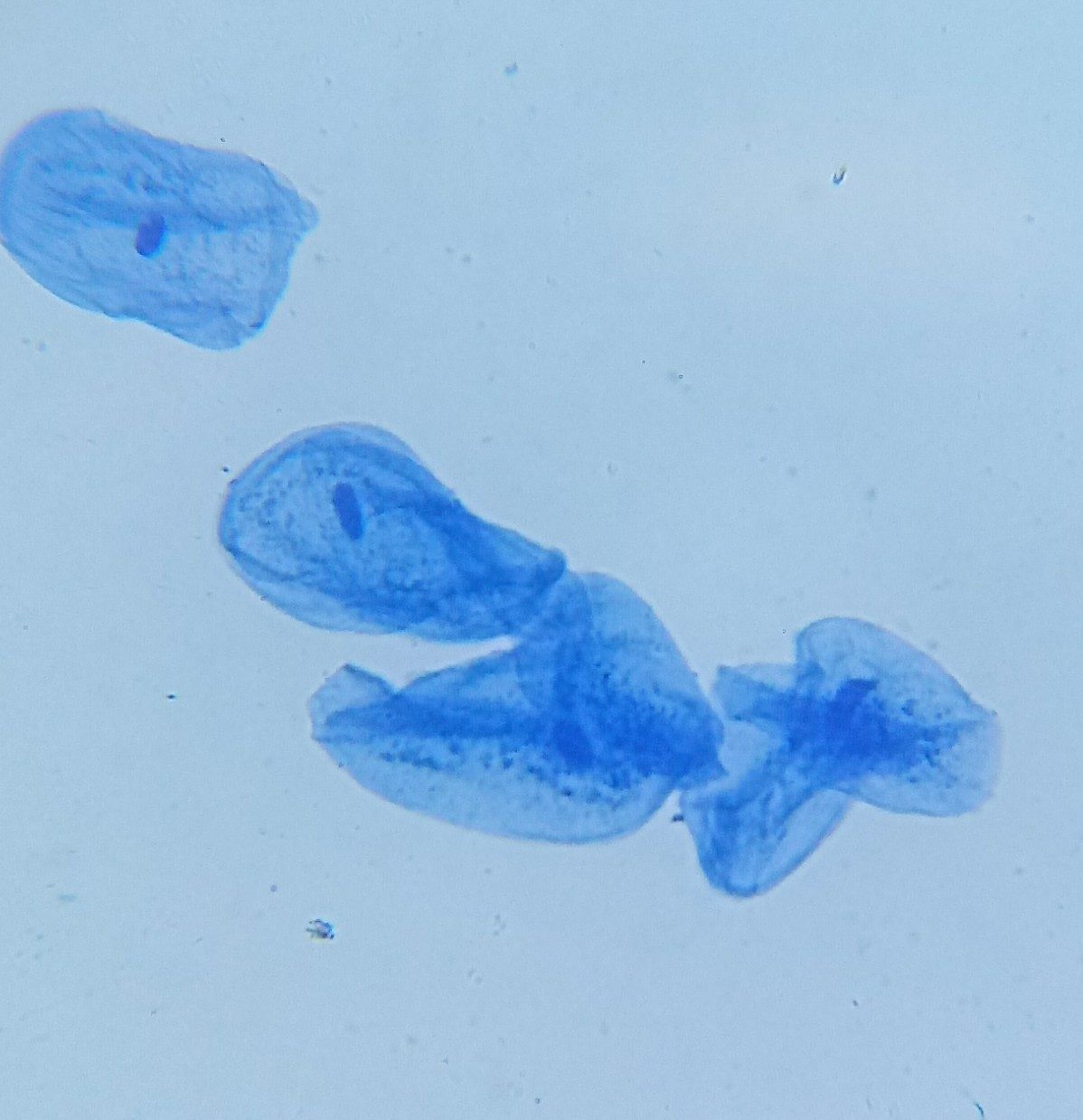

| Part | Job | Animal | Plant |
|---|---|---|---|
| Nucleus | Controls what the cell does and holds its genetic material | ✓ | ✓ |
| Cytoplasm | A jelly where most of the cell’s chemical reactions happen | ✓ | ✓ |
| Cell membrane | Controls which substances go into and out of the cell | ✓ | ✓ |
| Mitochondria | Where aerobic respiration releases energy from glucose | ✓ | ✓ |
| Cell wall | A strong layer of cellulose that supports the cell and keeps its shape | ✗ | ✓ |
| Chloroplasts | Contain chlorophyll, which absorbs light for photosynthesis | ✗ | ✓ |
| Vacuole | A large store of cell sap that keeps the cell firm | ✗ | ✓ |
Plant cells are usually box-shaped, because the stiff cellulose wall holds them firm. Animal cells have only a membrane round them, so their shapes vary. Not every plant cell has chloroplasts: root cells and onion bulb cells get no light, so they have none.

Stretch Ribosomes are tiny parts in the cytoplasm of every cell where proteins are made. They are far too small to see with a light microscope. Bacteria have ribosomes too, but no nucleus.
Written to the KS3 national curriculum. Last changed 2 November 2026.
Key words
Say them, spell them, use them in an answer.
- nucleus
- cytoplasm
- cell membrane
- mitochondria
- cell wall
- chloroplasts
- vacuole
- box-shaped
- Ribosomes
Common misconception
Often said“Plant cells have no mitochondria, because chloroplasts do the same job.”
In factChloroplasts make food by photosynthesis; mitochondria release energy from it by respiration. Plant cells have both.
Did you know?
Sprout
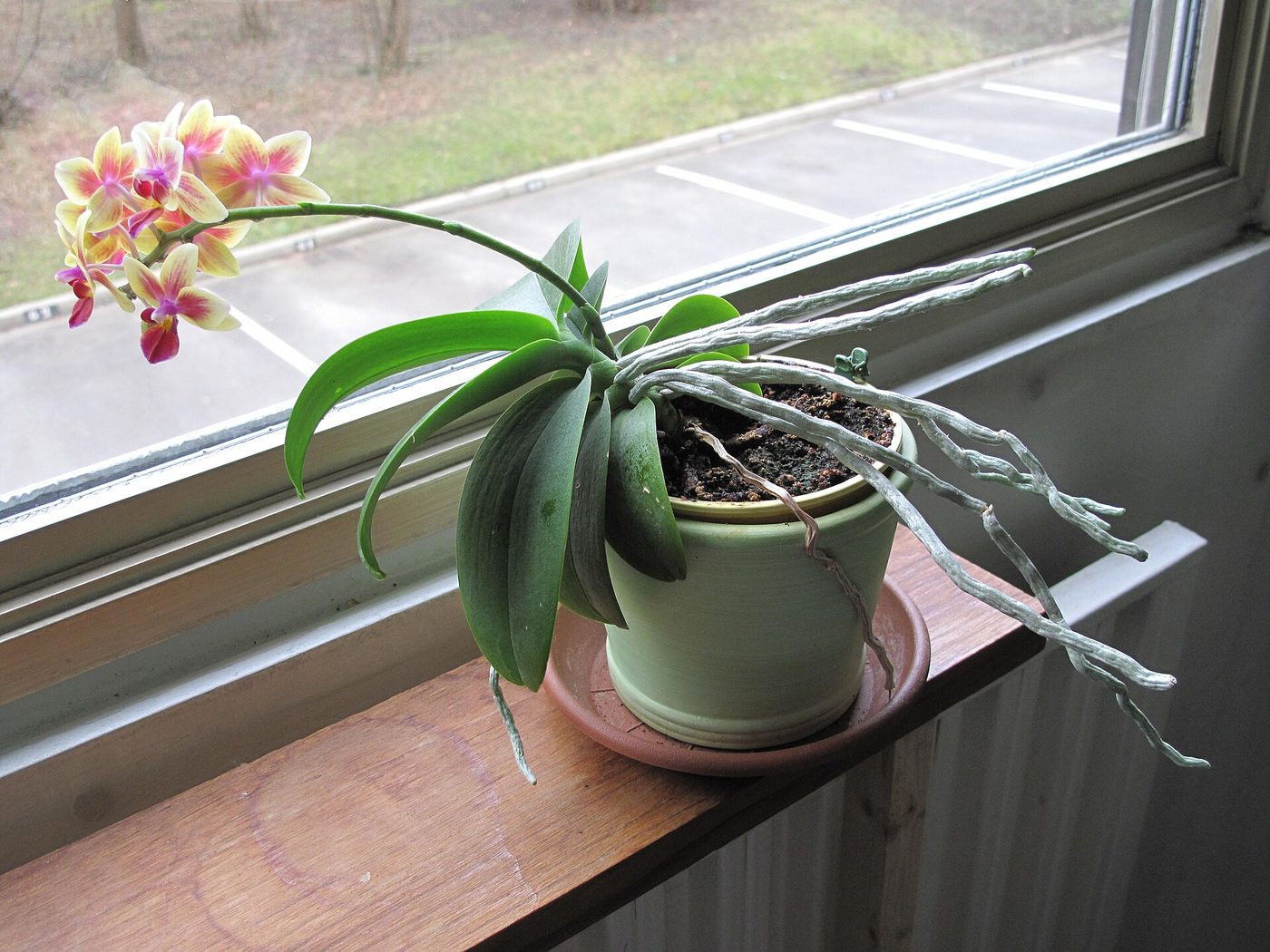
Found on the Chloroplast Terraces, leaning towards the light. A seedling bends towards light because the cells on its shady side grow longer.
Photo: Tangopaso, CC BY-SA 3.0, via Wikimedia Commons

Try 5 questions
Quick questions on cell parts, marked as you go. Each one explains the answer.
Question 1 of 5
Which part contains chlorophyll?
Choose an answer. Each question explains itself.
The homework sheet
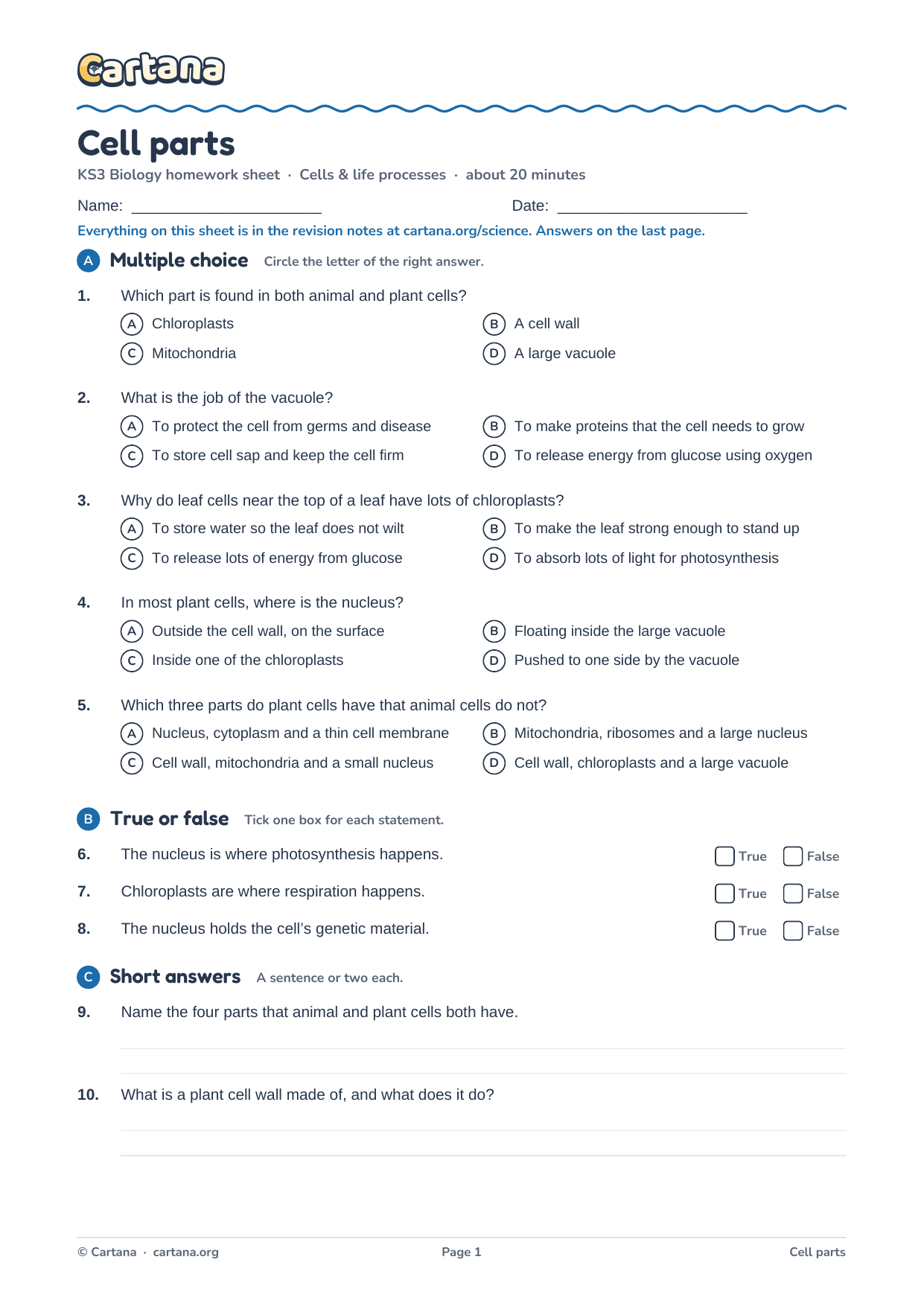
About twenty minutes. Everything on it is in the notes above; the answers are on the last page.
Free homework sheet
Cell parts homework sheet
17 questions, about twenty minutes, with the answers on the last page: multiple choice, true or false, short answers, key words to define and one to explain in full.
KS3 Cells & life processes
Revised the whole unit? There is a 40-mark Cells & life processes test paper with a mark scheme.
 Watch the trailer · 1:06
New from Cartana · Beta test 1–31 December
Revision that feels like an adventure
Cartana is our KS3 learning adventure: sail between islands, answer quick-fire questions and battle bosses. It starts with science, with maths on the way, and launches in 2027. This December a small group of testers gets to play it first.
In the Cartana adventure, cell parts is The Chloroplast Terraces, a district of the island Cytopia.
- Play the game before its official release
- Help us build it with your feedback
- Earn exclusive in-game items in return
More in this unit