
KS3 Biology · Genetics & evolution
Inheritance
- Heredity: how characteristics pass from parents to children in their genes
- Gametes carry 23 chromosomes; at fertilisation they make a cell with 46
- Inherited, environmental or both: sorting characteristics
- Why brothers and sisters differ, and what identical twins show
- 2 min read
- 5 quick questions
- Free homework sheet
- Years 7 to 9
Revision notes
Heredity is the passing on of characteristics from parents to offspring, through their genes. You have 46 chromosomes in each body cell, in 23 pairs. One of each pair came from your mother and one from your father.
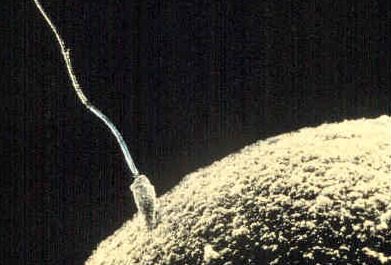

Gametes are sex cells: egg cells and sperm cells. Each carries only 23 chromosomes, half the usual number. At fertilisation a sperm cell and an egg cell join, 23 + 23, and the new cell has the full 46. That cell divides again and again to build a baby. Every body cell with a nucleus carries the same full set of instructions; only the gametes carry half.
| Inherited (in your genes) | Environmental (from your life) | Both together |
|---|---|---|
| Natural eye colour, natural hair colour, blood group, dimples, earlobe shape | Scars, a suntan, the language you speak, skills such as riding a bike or playing the piano | Height, weight, skin colour, how fast you can run |
Why you look like your family, but not exactly. Each egg and each sperm carries a different selection of a parent’s chromosomes, so every child gets a different mix of the same two sets of genes. That is why brothers and sisters resemble each other without being the same. Identical twins come from one fertilised egg that splits in two, so they share all their genes. Even so, the environment shapes them: their fingerprints differ, and so can their height and weight. Non-identical twins come from two eggs, and are as alike as any brother and sister.
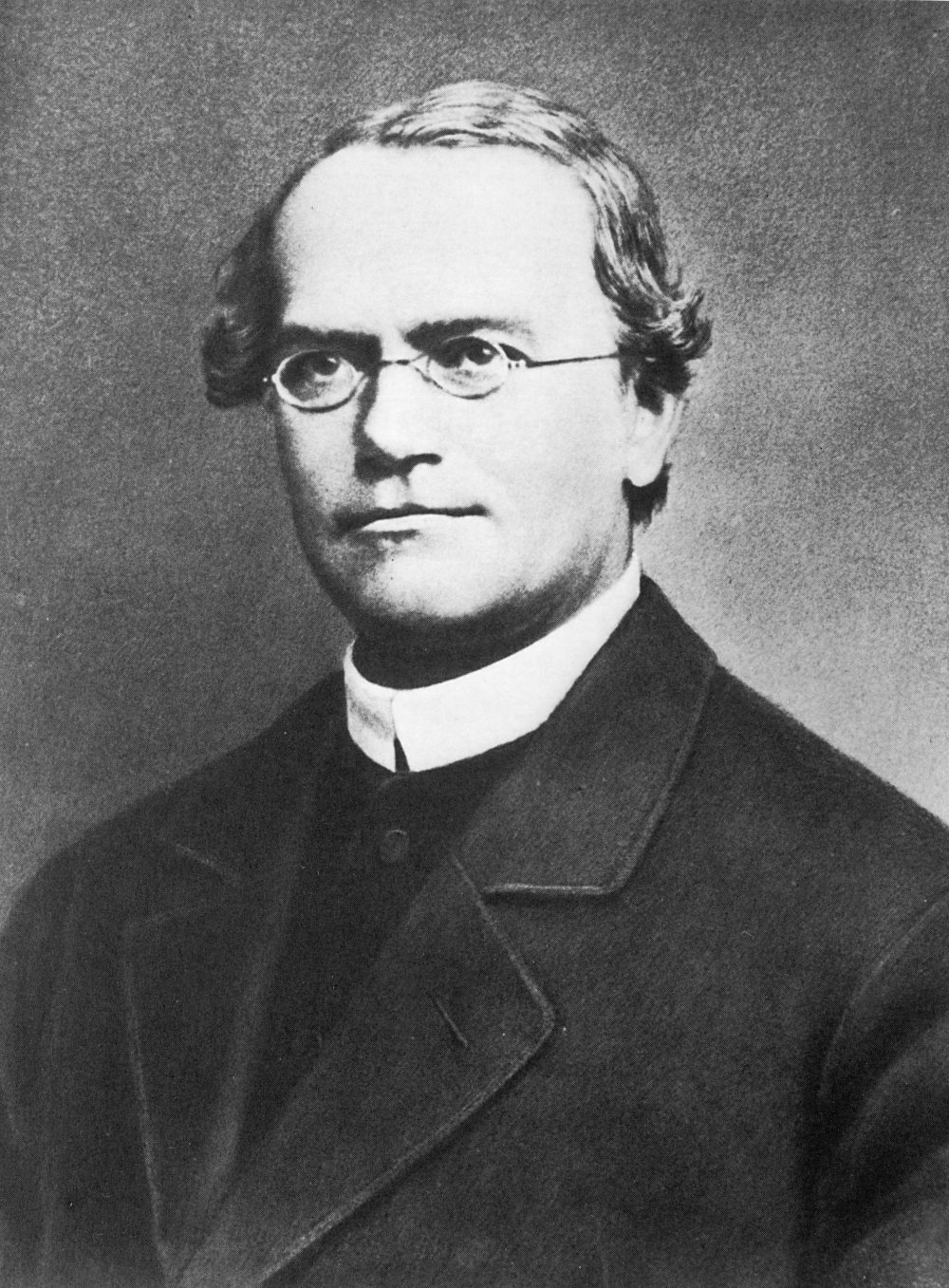
Stretch Some instructions are hidden by others, so a characteristic can skip a generation: two brown-haired parents can have a red-haired child if both carry the red-hair instruction without showing it. Changes that happen to your body during your life, such as big muscles from training, are not written into your genes and are not passed on. Gregor Mendel worked out the rules of inheritance by counting pea plants in the 1860s, before anyone knew what genes were made of.
Written to the KS3 national curriculum. Last changed 2 November 2026.
Key words
Say them, spell them, use them in an answer.
- Heredity
- genes
- Gametes
- fertilisation
- Identical twins
- Non-identical twins
Common misconception
Often said“You get all your genes from your mum.”
In factHalf of your chromosomes came from your mother’s egg cell and half from your father’s sperm cell. That is why you take after both of them.
Did you know?
Mendel’s pea plants
In the 1850s and 1860s a monk called Gregor Mendel bred about 28,000 pea plants in his monastery garden in Brno. By counting wrinkled and smooth, tall and short, he worked out that characteristics are passed on in separate units, which we now call genes, long before anyone knew about DNA.
Photo: Unknown author, Public domain, via Wikimedia Commons

Try 5 questions
Quick questions on inheritance, marked as you go. Each one explains the answer.
Question 1 of 5
Height is affected by…
Choose an answer. Each question explains itself.
The homework sheet
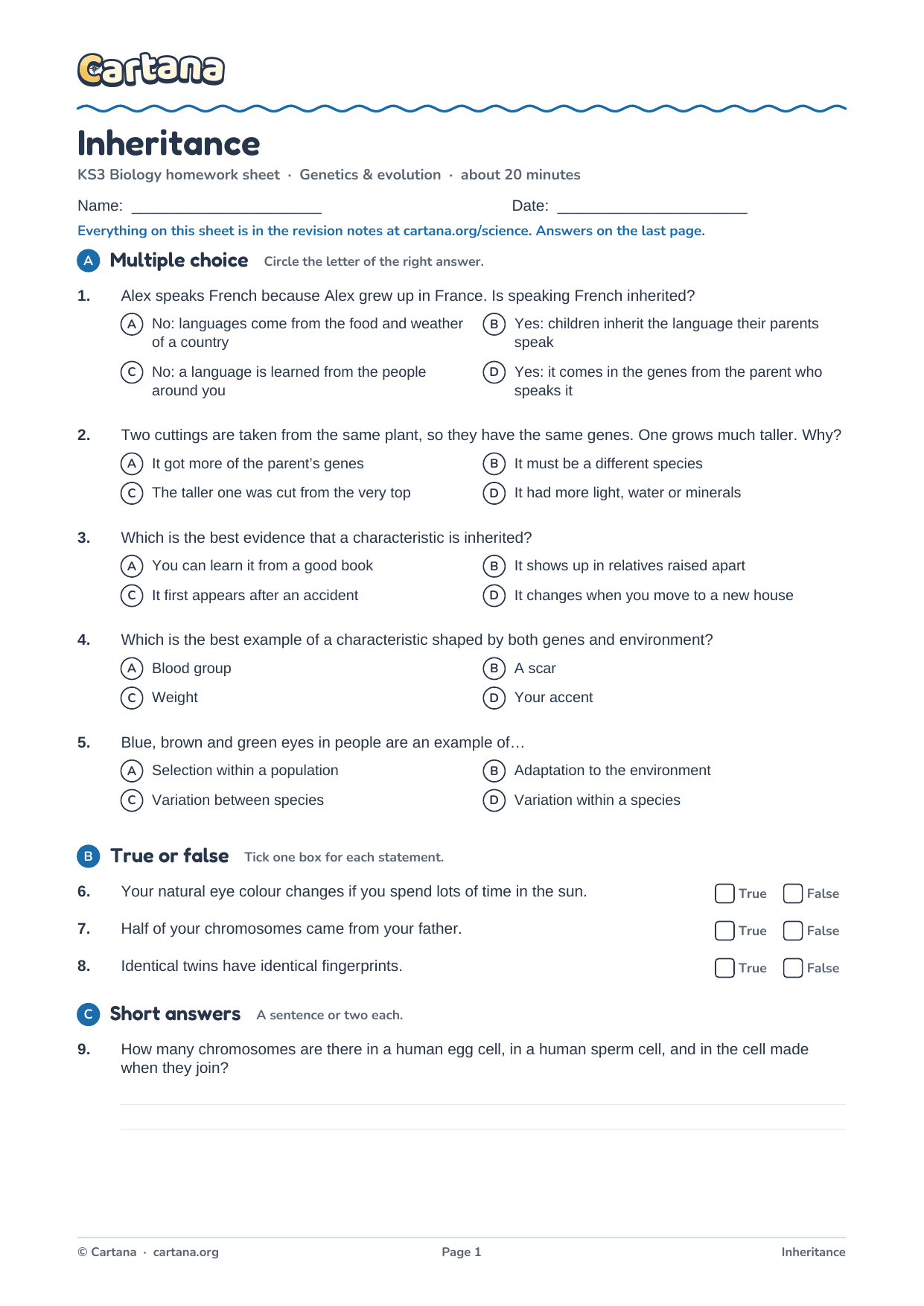
About twenty minutes. Everything on it is in the notes above; the answers are on the last page.
Free homework sheet
Inheritance homework sheet
17 questions, about twenty minutes, with the answers on the last page: multiple choice, true or false, short answers, key words to define and one to explain in full.
KS3 Genetics & evolution
Revised the whole unit? There is a 40-mark Genetics & evolution test paper with a mark scheme.
 Watch the trailer · 1:06
New from Cartana · Beta test 1–31 December
Revision that feels like an adventure
Cartana is our KS3 learning adventure: sail between islands, answer quick-fire questions and battle bosses. It starts with science, with maths on the way, and launches in 2027. This December a small group of testers gets to play it first.
In the Cartana adventure, inheritance is Heirloom Hollow, a district of the island The Gene Pool.
- Play the game before its official release
- Help us build it with your feedback
- Earn exclusive in-game items in return
More in this unit