
KS3 Biology · Cells & life processes
Making slides
- Making an onion slide, step by step
- Why specimens are thin, why cells are stained, and what the coverslip does
- Total magnification = eyepiece × objective
- Image size, actual size and micrometres, and who first saw cells
- 2 min read
- 5 quick questions
- Free homework sheet
- Years 7 to 9
Revision notes
Making an onion slide:
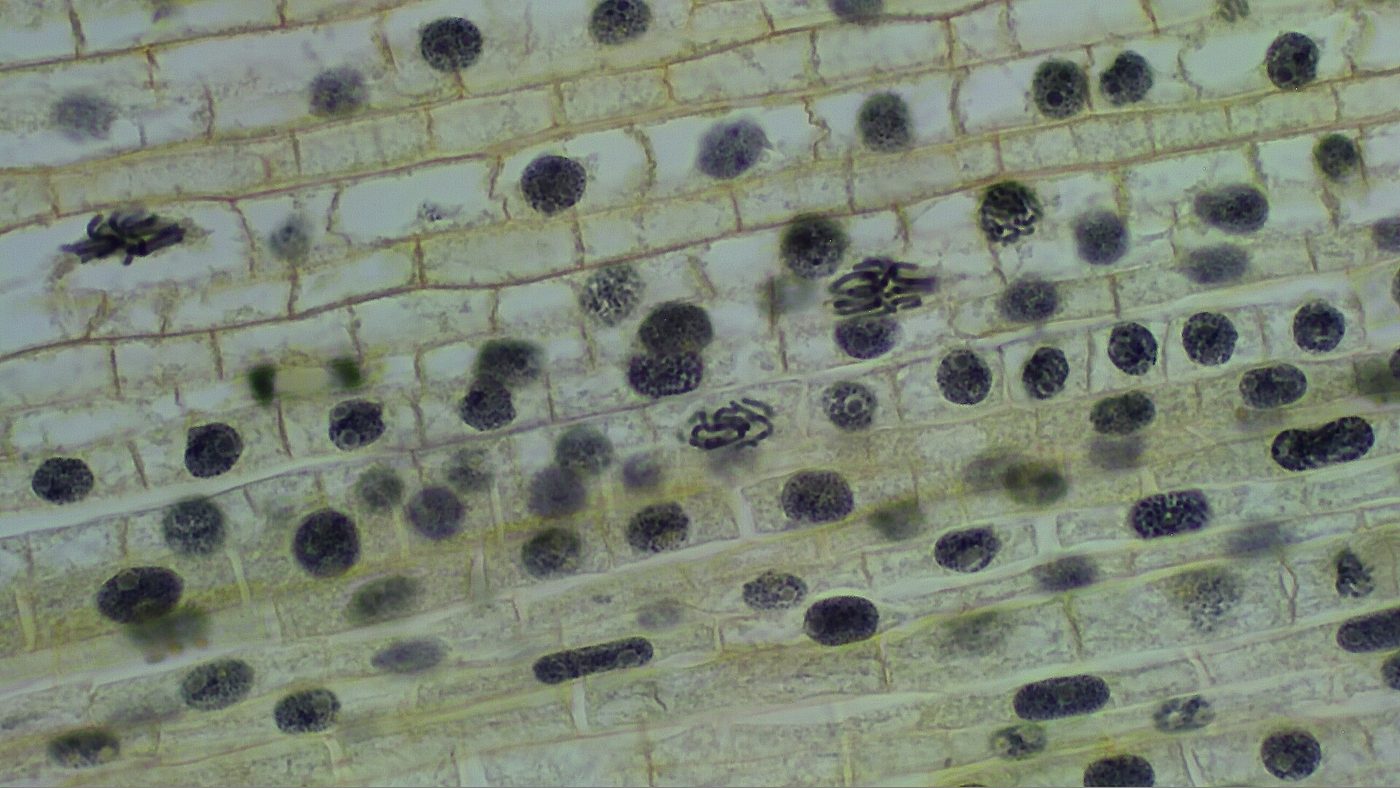
- Peel a thin layer of onion skin (epidermis) with forceps.
- Lay it flat on a drop of water in the middle of a clean slide.
- Add a drop of iodine solution to stain the cells.
- Lower a coverslip at an angle, using a mounted needle.
- Soak up any extra liquid with a paper towel.
- Put the slide on the stage and start with the lowest power lens.
The specimen must be thin so that light can pass through it. Cells are nearly see-through, so a stain makes them and their nuclei visible: iodine for onion cells, methylene blue for cheek cells (collected gently from inside the cheek with a cotton bud). The coverslip holds the specimen flat, stops it drying out and protects the lens; lower it at an angle so no air bubbles are trapped.

Total magnification = eyepiece magnification × objective magnification. ×10 and ×4 gives ×40; ×10 and ×10 gives ×100; ×10 and ×40 gives ×400. Multiply, never add.
Stretch Image size = actual size × magnification, so magnification = image size ÷ actual size and actual size = image size ÷ magnification, with both sizes in the same units. 1 mm = 1000 µm (micrometres). A cheek cell is about 60 µm across; a bacterium about 1 µm.
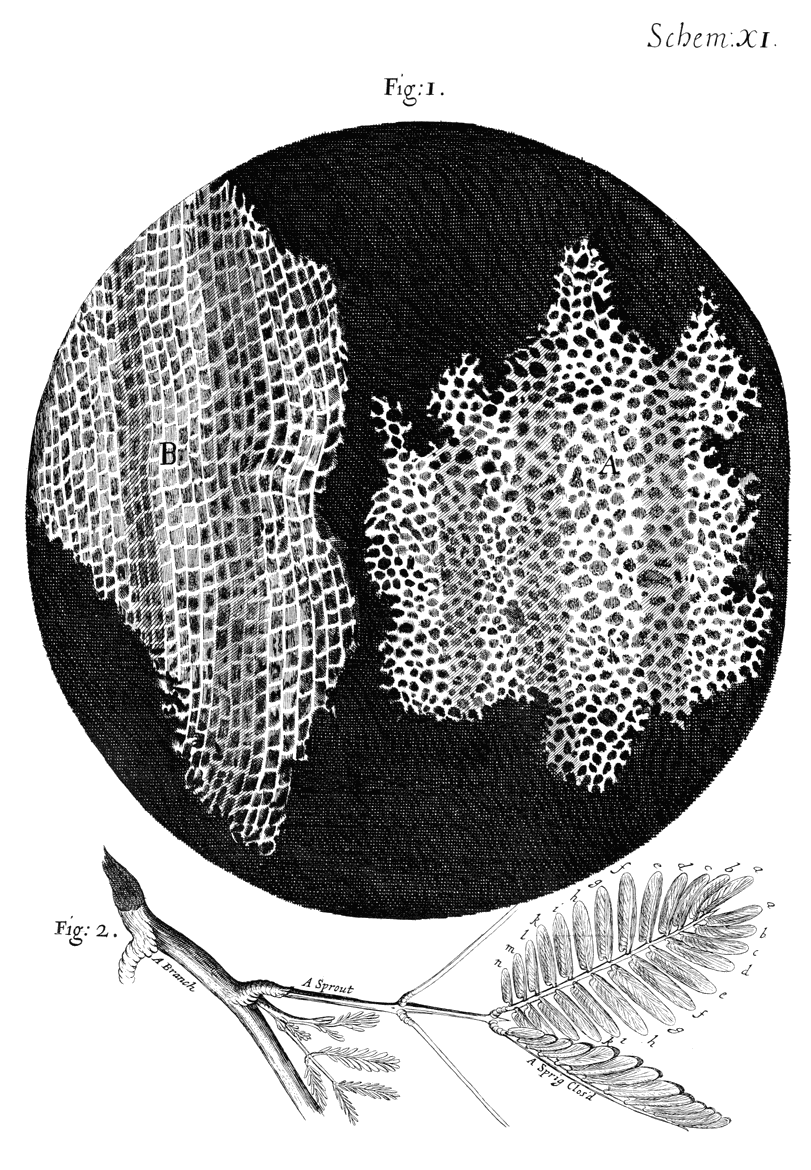
Who saw it first. Robert Hooke looked at thin slices of cork in 1665 and called the tiny boxes he saw cells, from the Latin for a small room. Antonie van Leeuwenhoek made his own tiny lenses and, in the 1670s, was the first to see living single-celled organisms, such as bacteria, which he called animalcules.

Written to the KS3 national curriculum. Last changed 2 November 2026.
Key words
Say them, spell them, use them in an answer.
- stain
- iodine
- methylene blue
- coverslip
- air bubbles
Common misconception
Often said“To find the total magnification, add the two lenses together.”
In factMultiply them. A ×10 eyepiece and a ×40 objective give ×400.
Did you know?
Pickle
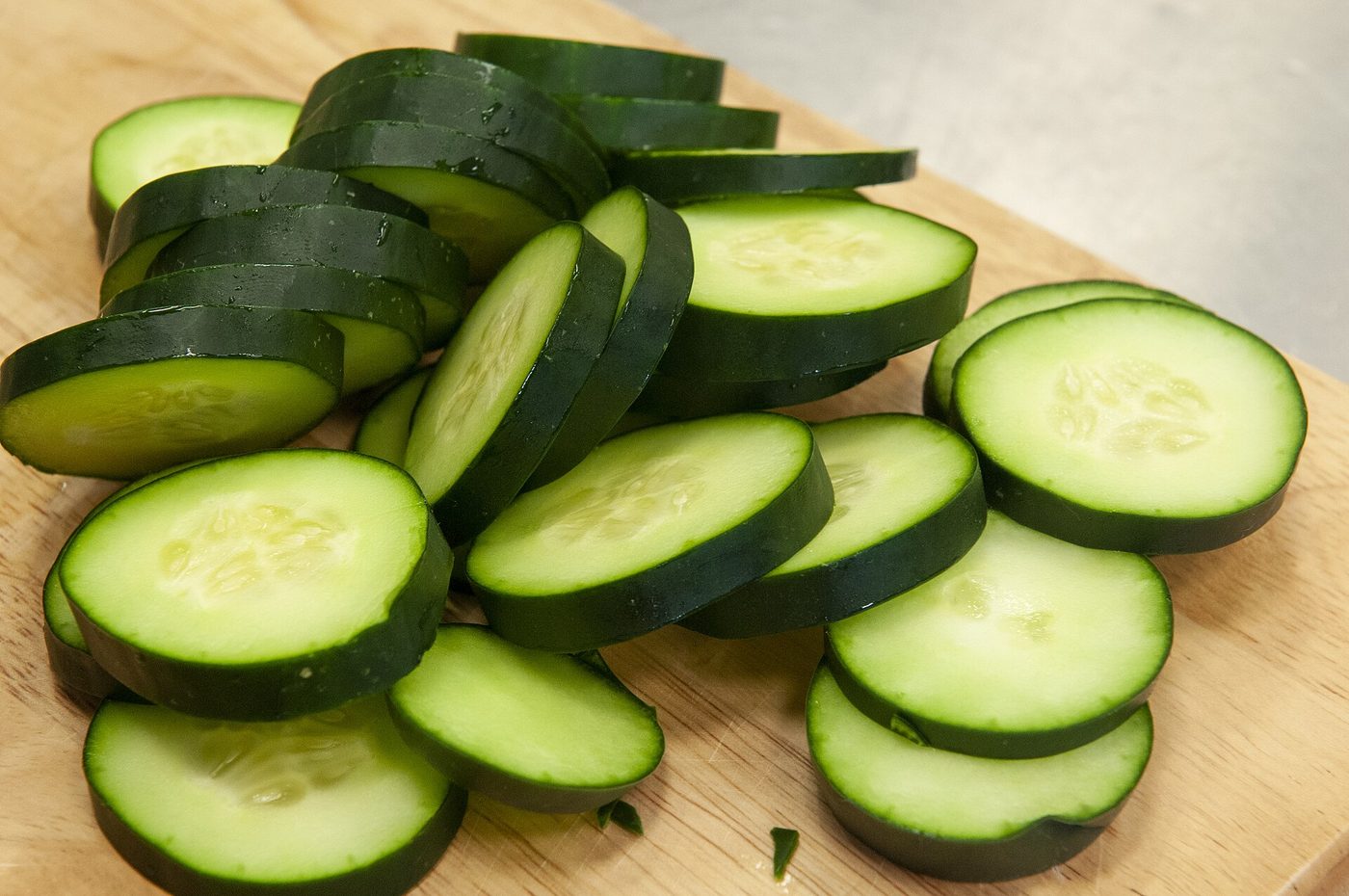
Found floating in the Vacuole Pools, thinking it is a cucumber. A cucumber is about 95% water, and most of it is held in the vacuoles of its cells.
Photo: Alabama Extension, CC0, via Wikimedia Commons

Try 5 questions
Quick questions on making slides, marked as you go. Each one explains the answer.
Question 1 of 5
What does magnification tell you?
Choose an answer. Each question explains itself.
The homework sheet
About twenty minutes. Everything on it is in the notes above; the answers are on the last page.
Free homework sheet
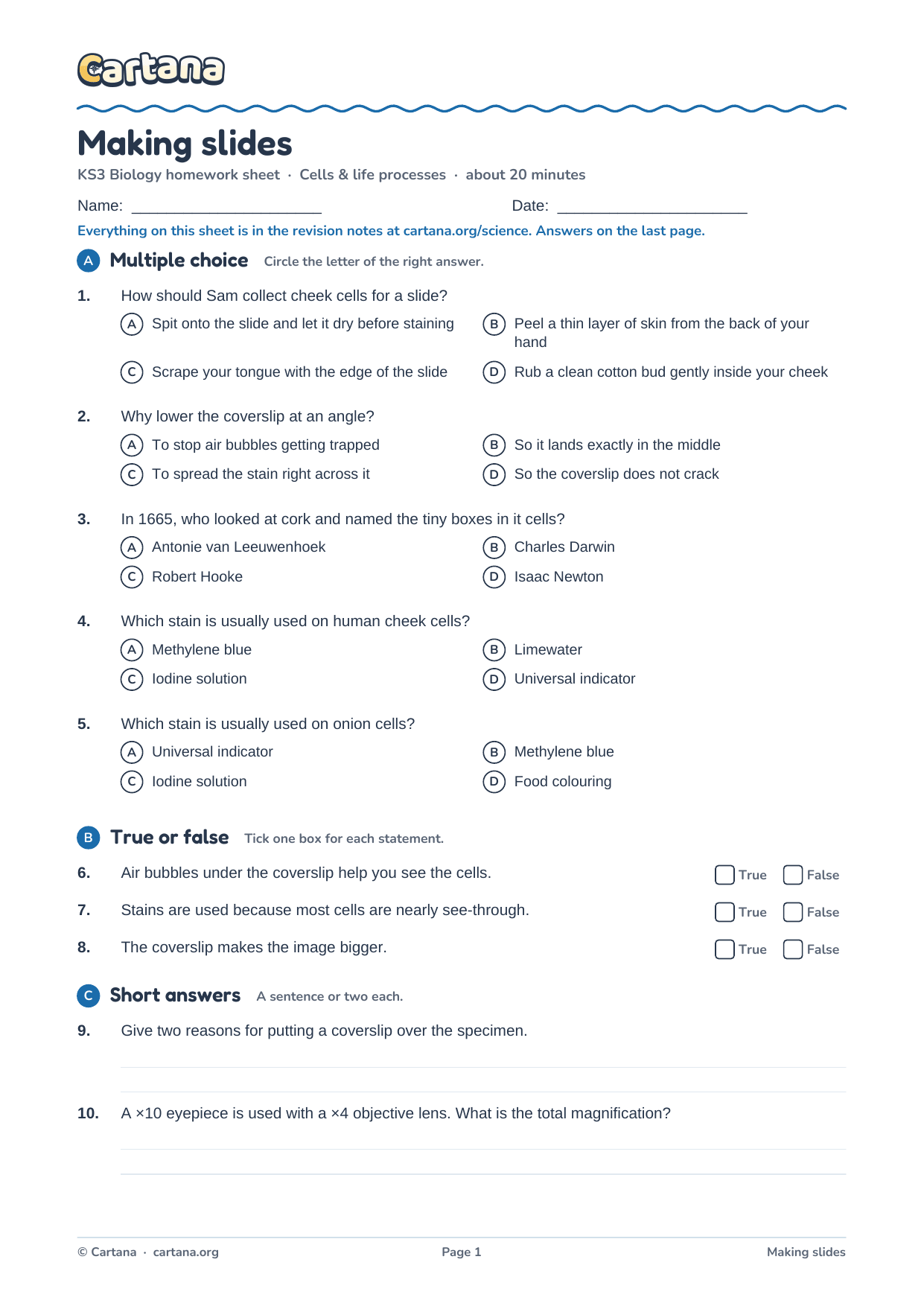
Making slides homework sheet
17 questions, about twenty minutes, with the answers on the last page: multiple choice, true or false, short answers, key words to define and one to explain in full.
KS3 Cells & life processes
Revised the whole unit? There is a 40-mark Cells & life processes test paper with a mark scheme.
 Watch the trailer · 1:06
New from Cartana · Beta test 1–31 December
Revision that feels like an adventure
Cartana is our KS3 learning adventure: sail between islands, answer quick-fire questions and battle bosses. It starts with science, with maths on the way, and launches in 2027. This December a small group of testers gets to play it first.
In the Cartana adventure, making slides is The Vacuole Pools, a district of the island Cytopia.
- Play the game before its official release
- Help us build it with your feedback
- Earn exclusive in-game items in return
More in this unit