
KS3 Biology · Photosynthesis & respiration
Investigating photosynthesis
- The starch test, step by step, and the safety rule for ethanol
- Proving that light, chlorophyll and carbon dioxide are all needed
- The pondweed experiment: counting bubbles of oxygen
- Variables, a fair test and limiting factors
- 2 min read
- 5 quick questions
- Free homework sheet
- Years 7 to 9
Revision notes
Glucose made in a leaf is quickly turned into starch, so testing a leaf for starch shows whether it has been photosynthesising.
The starch test
Safety: ethanol is flammable, so warm it in a hot water bath, never over a flame. Iodine solution is orange-brown and turns blue-black with starch.
A variegated leaf (green and white) only makes starch in its green parts.
Cover part of a leaf with foil: the covered part makes no starch. The uncovered part is the control.
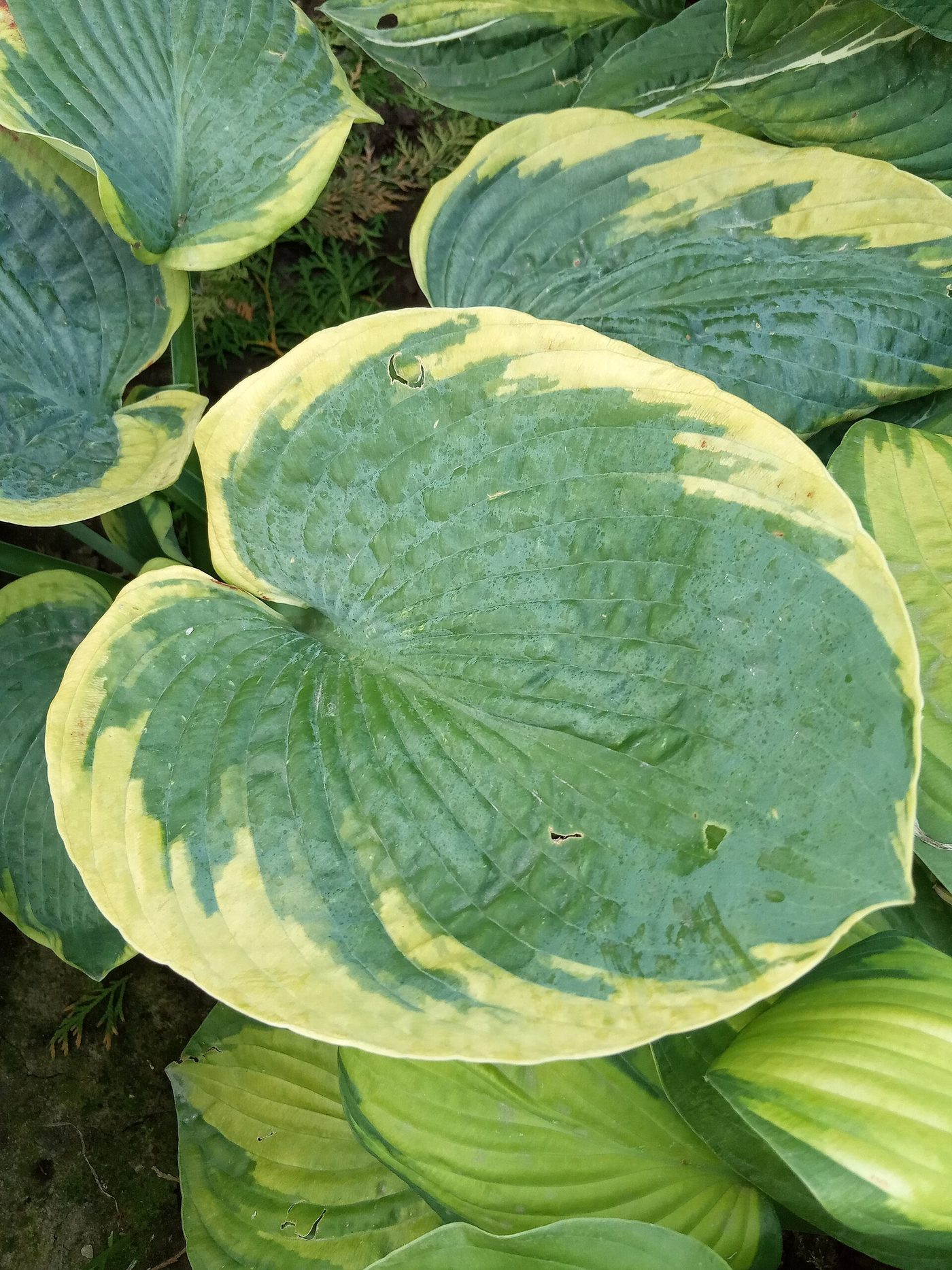

Before either experiment, keep the plant in the dark for two days to destarch it, so any starch you find was made during the experiment. A plant sealed in a bag with a chemical that absorbs carbon dioxide makes no starch either: carbon dioxide is needed.
The pondweed experiment
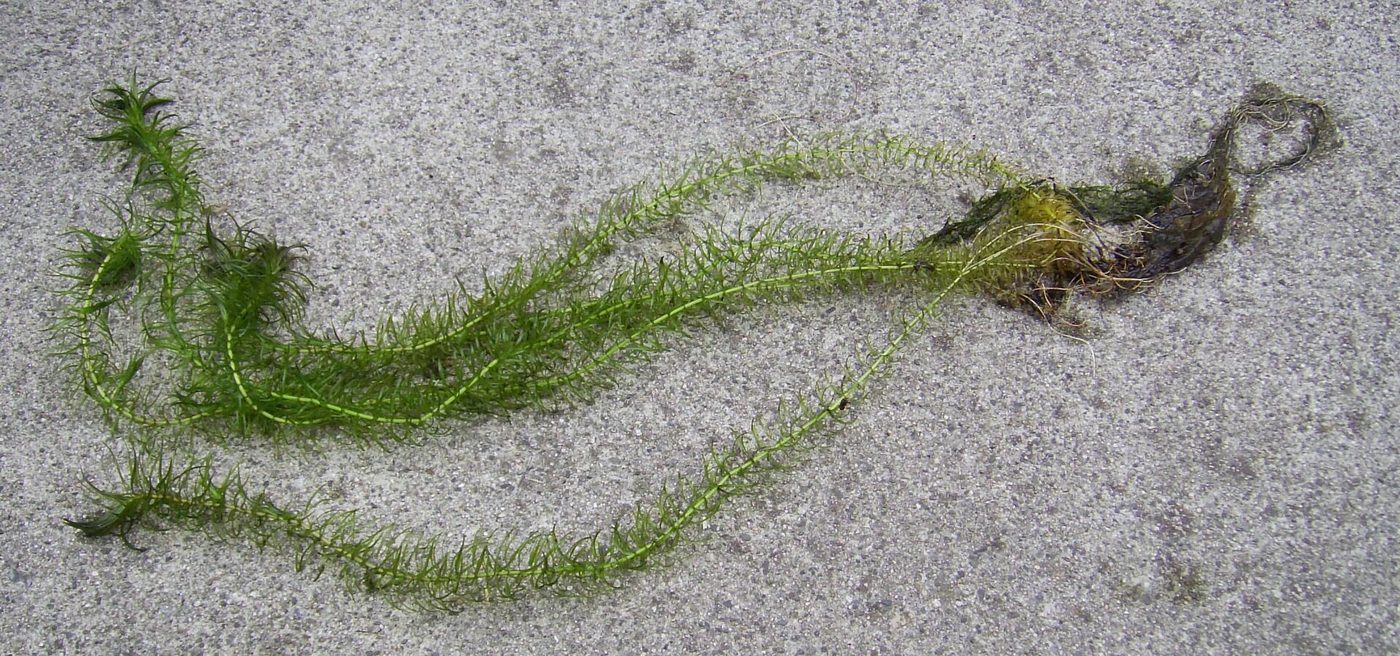

- The bubbles are oxygen. More bubbles per minute means faster photosynthesis.
- Independent variable: the distance of the lamp (light intensity). Dependent variable: bubbles per minute.
- Control variables: temperature (a beaker of water between the lamp and the pondweed stops it heating up), carbon dioxide (sodium hydrogencarbonate in the water), the same piece of pondweed.
- Counting bubbles is rough: bubbles vary in size. Collecting the gas and measuring its volume is more accurate. Repeat and take a mean.
Light intensity, carbon dioxide and temperature all affect the rate. Whichever is in shortest supply limits it: brighter light stops helping once there is too little carbon dioxide, or it is too cold. Above about 40 °C the plant’s enzymes start to be damaged and the rate falls.
Written to the KS3 national curriculum. Last changed 5 November 2026.
Key words
Say them, spell them, use them in an answer.
- starch
- flammable
- blue-black
- variegated
- control
- destarch
- Dependent variable
- mean
- Limiting factors
Common misconception
Often said“Green light is best for plants, because they are green.”
In factChlorophyll absorbs red and blue light best and reflects more of the green, so leaves look green. Green light is the least useful to a plant.
Did you know?
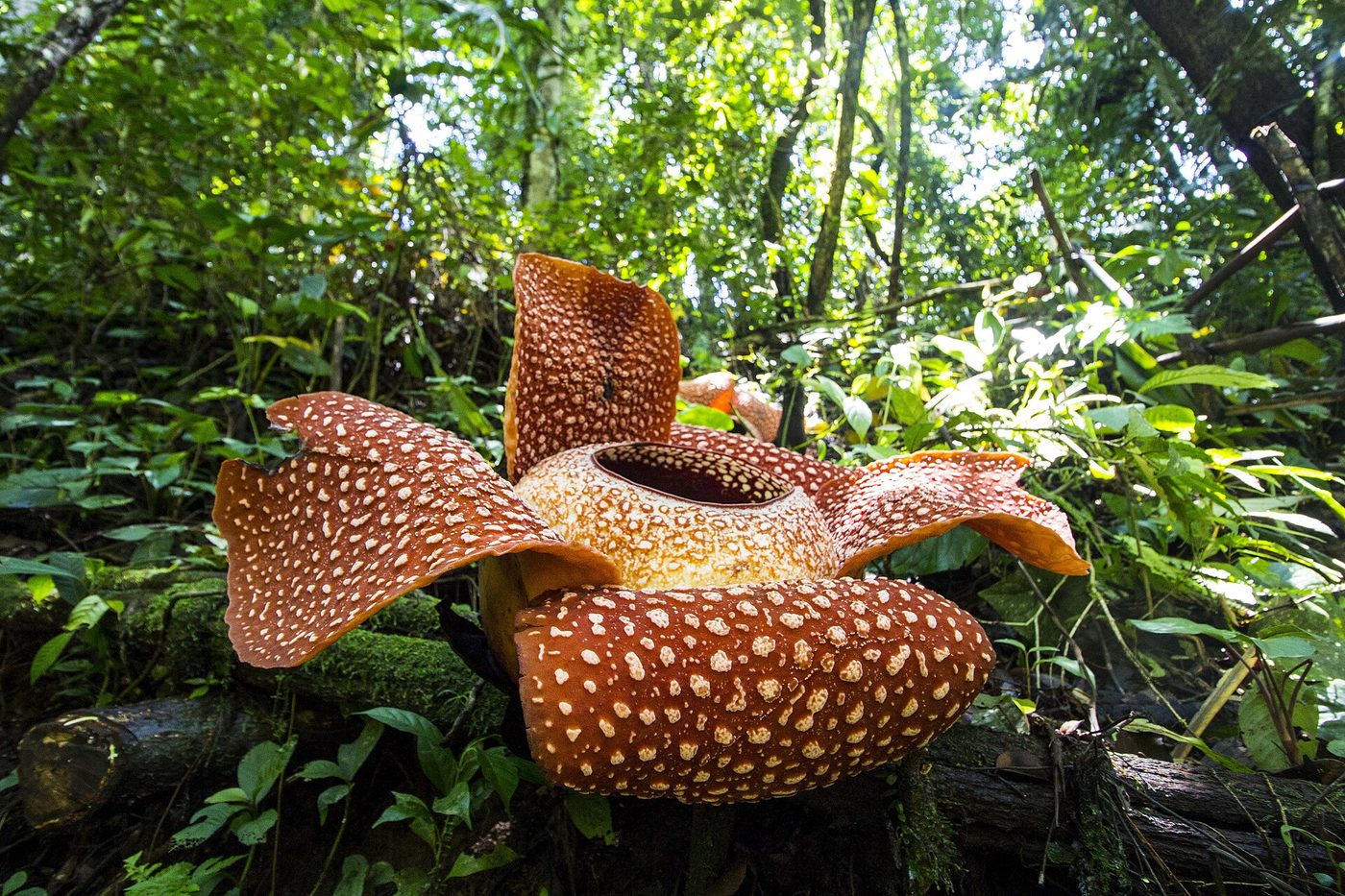
Rafflesia
The biggest single flower in the world, up to about a metre across. It has no leaves, no roots and no chlorophyll: it lives inside a vine and steals from it. It smells of rotting meat, which attracts flies.
Photo: SofianRafflesia, CC BY-SA 4.0, via Wikimedia Commons

Try 5 questions
Quick questions on investigating photosynthesis, marked as you go. Each one explains the answer.
Question 1 of 5
Sam tests a leaf for starch and the iodine turns blue-black. What does this show?
Choose an answer. Each question explains itself.
The homework sheet
About twenty minutes. Everything on it is in the notes above; the answers are on the last page.
Free homework sheet
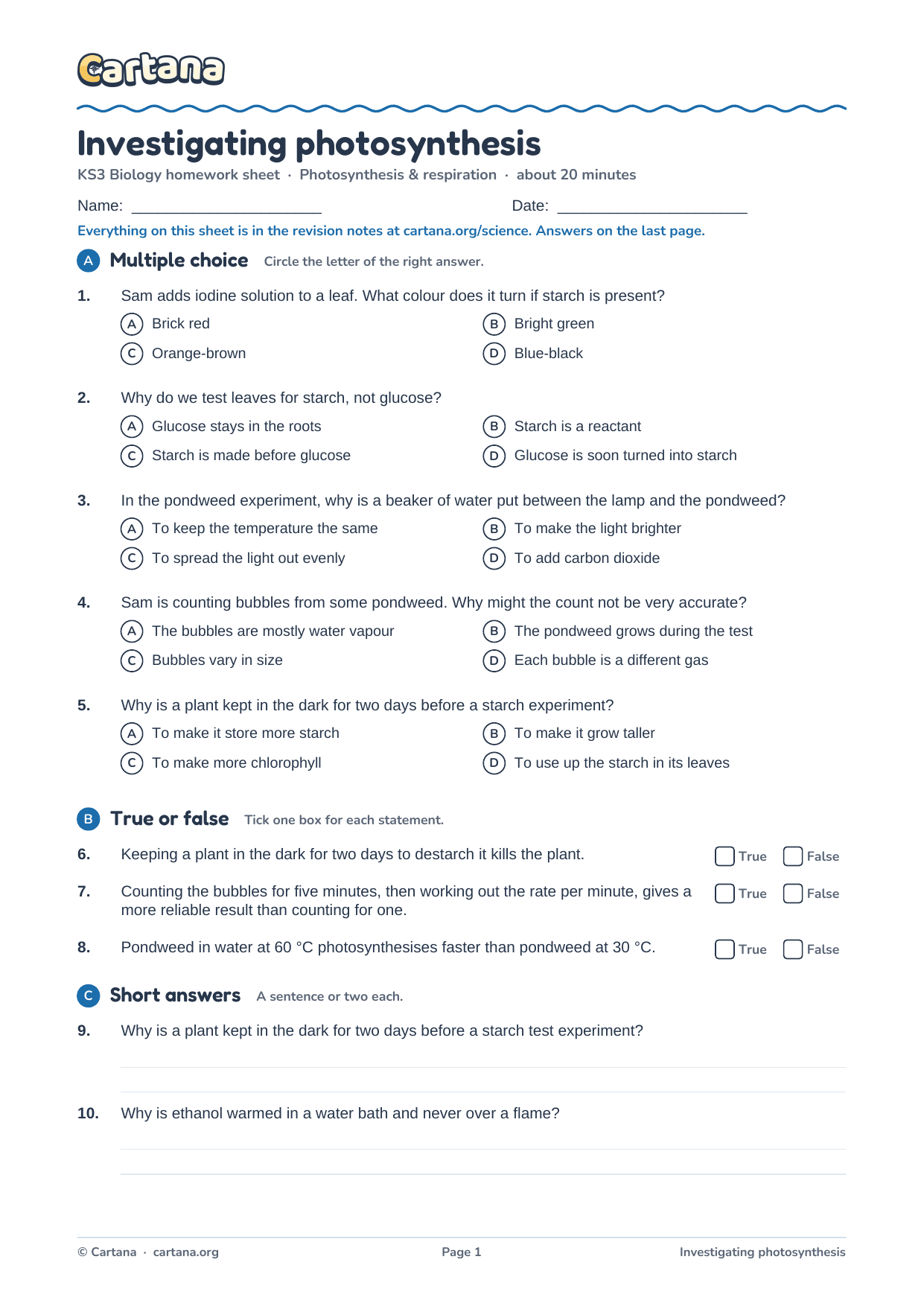
Investigating photosynthesis homework sheet
17 questions, about twenty minutes, with the answers on the last page: multiple choice, true or false, short answers, key words to define and one to explain in full.
KS3 Photosynthesis & respiration
Revised the whole unit? There is a 40-mark Photosynthesis & respiration test paper with a mark scheme.
 Watch the trailer · 1:06
New from Cartana · Beta test 1–31 December
Revision that feels like an adventure
Cartana is our KS3 learning adventure: sail between islands, answer quick-fire questions and battle bosses. It starts with science, with maths on the way, and launches in 2027. This December a small group of testers gets to play it first.
In the Cartana adventure, investigating photosynthesis is The Glasshouse, a district of the island Sugarleaf.
- Play the game before its official release
- Help us build it with your feedback
- Earn exclusive in-game items in return
More in this unit