
KS3 Chemistry · Atoms, elements & compounds
Compounds
- Elements chemically joined in a fixed ratio
- Why a compound is nothing like its elements
- Making iron sulfide from iron and sulfur
- Naming compounds: -ide, -ate and di-
- 5 min read
- 5 quick questions
- Free homework sheet
- Years 7 to 9
Revision notes
A compound is a substance made of two or more different elements chemically joined together. Its atoms are always in the same fixed ratio, and its properties are different from those of its elements.
What is a compound?
When elements react, their atoms join together, or bond, to make a new substance. In water, each molecule is two hydrogen atoms joined to one oxygen atom. In carbon dioxide, each molecule is one carbon atom joined to two oxygen atoms. In sodium chloride, table salt, there is one sodium atom for every chlorine atom.
The ratio is always the same. Every sample of water, from a tap, a glacier or a comet, has exactly two hydrogen atoms for every oxygen atom. That is why each compound has its own formula, such as H2O.
Because the atoms are joined, a compound cannot be separated by filtering, with a magnet or by boiling. Only another chemical reaction can split it up: passing electricity through water splits it into hydrogen and oxygen.
Why is a compound different from its elements?
A compound is a new substance, with properties of its own. It is often nothing like the elements it was made from.
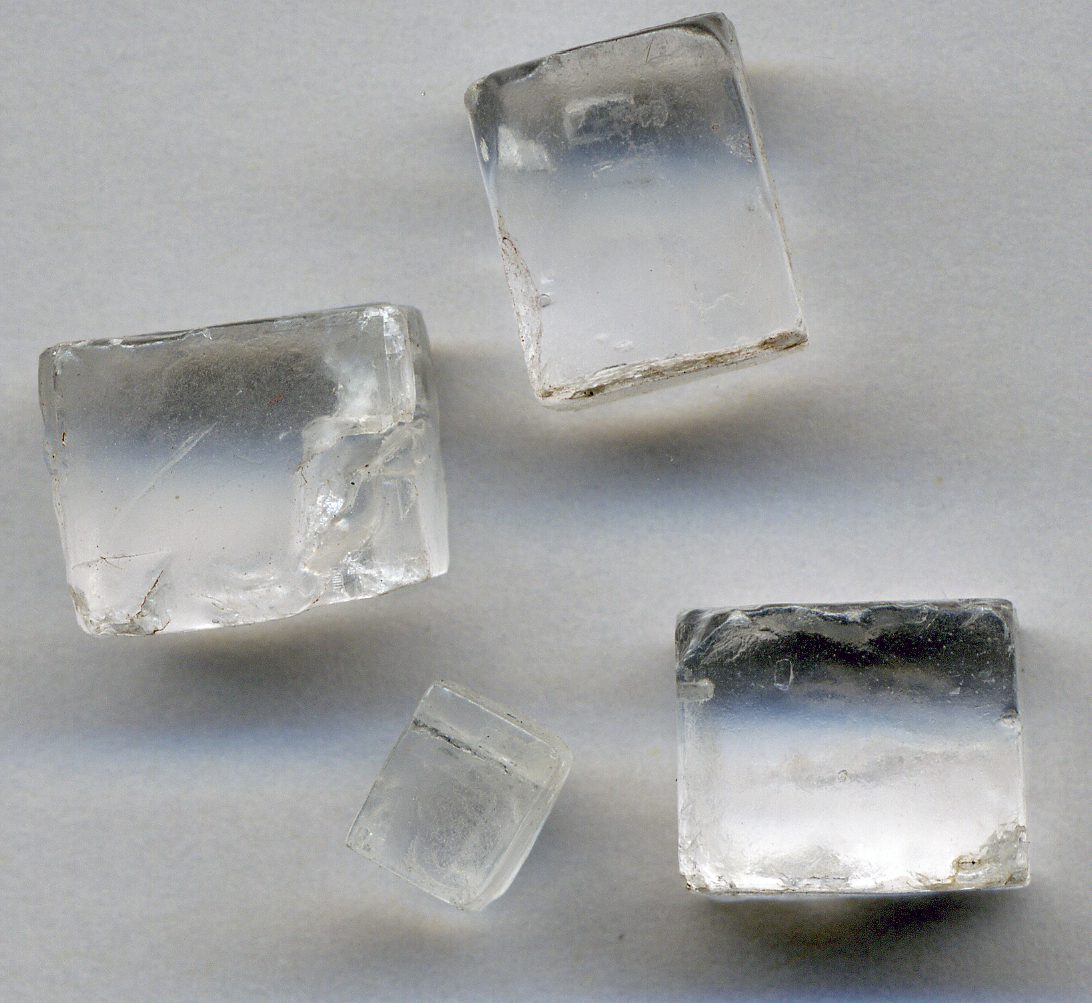
| Substance | What it is like |
|---|---|
| Sodium | Element: a soft metal that fizzes on water |
| Chlorine | Element: a poisonous pale green gas |
| Sodium chloride | Compound: white or colourless crystals that you eat as salt |
| Hydrogen | Element: a gas that burns |
| Oxygen | Element: the gas that things need to burn |
| Water | Compound: a liquid that puts fires out |
| Iron | Element: a grey metal, pulled by a magnet |
| Sulfur | Element: a yellow powder |
| Iron sulfide | Compound: a dark grey or black solid, not magnetic |
How do you make iron sulfide from iron and sulfur?
This classic experiment is done by a teacher, or by a class in small tubes, with good ventilation or in a fume cupboard, because hot sulfur can burn to make a poisonous gas, sulfur dioxide.
What you do:
- Mix iron filings and powdered sulfur. Hold a magnet (wrapped in cling film) over a little of the mixture: the iron is pulled out.
- Put the mixture in a test tube with a loose plug of mineral wool in the top (it keeps the sulfur vapour in), and clamp it.
- Heat the end of the tube until the mixture starts to glow red, then take the Bunsen burner away.
- When the tube is cool, test the product with the magnet.
What you see: the red glow spreads through the whole mixture, even after the heating stops. The product is a dark grey or black solid, and the magnet does not pick it up.
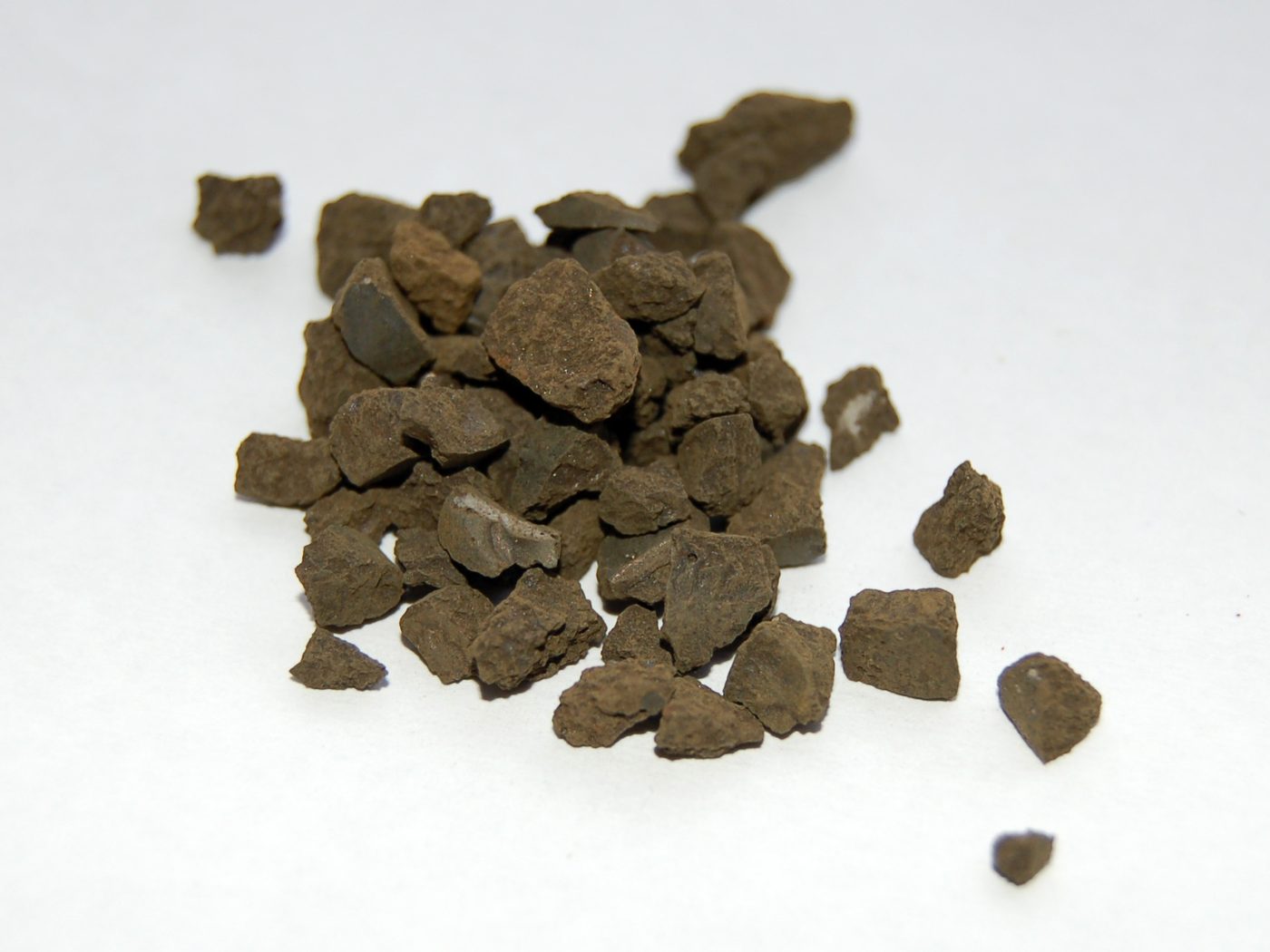
What it shows: a new substance has been made: iron + sulfur → iron sulfide. Its iron and sulfur atoms are joined, so it no longer behaves like either element. The diagrams in elements, compounds and mixtures show what happens to the atoms.
How are compounds named?
- When a metal joins a non-metal, the metal comes first and keeps its name: sodium chloride, copper oxide.
- A name ending in -ide usually means just those two elements: chlorine becomes chloride, oxygen oxide, sulfur sulfide. Magnesium oxide is magnesium and oxygen.
- A name ending in -ate means oxygen is there too: copper sulfate is copper, sulfur and oxygen; calcium carbonate is calcium, carbon and oxygen.
- Prefixes count atoms: mono- means one, di- two and tri- three, so carbon monoxide is CO and carbon dioxide is CO2.
One ending breaks the rule: hydroxide means oxygen and hydrogen, so sodium hydroxide has three elements. Some compounds keep everyday names, such as water, methane and ammonia.
Which elements are in magnesium carbonate?
Magnesium comes first: magnesium.
"Carbonate" means carbon, and the ending -ate means oxygen too.
So magnesium carbonate is magnesium, carbon and oxygen.
Stretch Around 1800 the French chemist Joseph Proust showed that a compound always has the same make-up by mass, wherever it comes from. Water is always about 11% hydrogen and 89% oxygen by mass, because its atoms are always in the ratio two hydrogen to one oxygen and an oxygen atom is 16 times as heavy as a hydrogen atom. A mixture of hydrogen and oxygen gases, on the other hand, can be in any proportions at all.
Written to the KS3 national curriculum. Last changed 13 November 2026.
Key words
Say them, spell them, use them in an answer.
- compound
- chemically joined
- bond
- fixed ratio
- properties
- iron sulfide
- -ide
- -ate
- hydroxide
Common misconception
Often said“Salt is made of chlorine, so it must be poisonous like chlorine gas.”
In factIn salt, sodium chloride, the sodium and chlorine atoms are chemically joined. A compound is a new substance with its own properties, so salt is nothing like chlorine gas or sodium metal, and we eat it every day.
Did you know?
Rocket steam
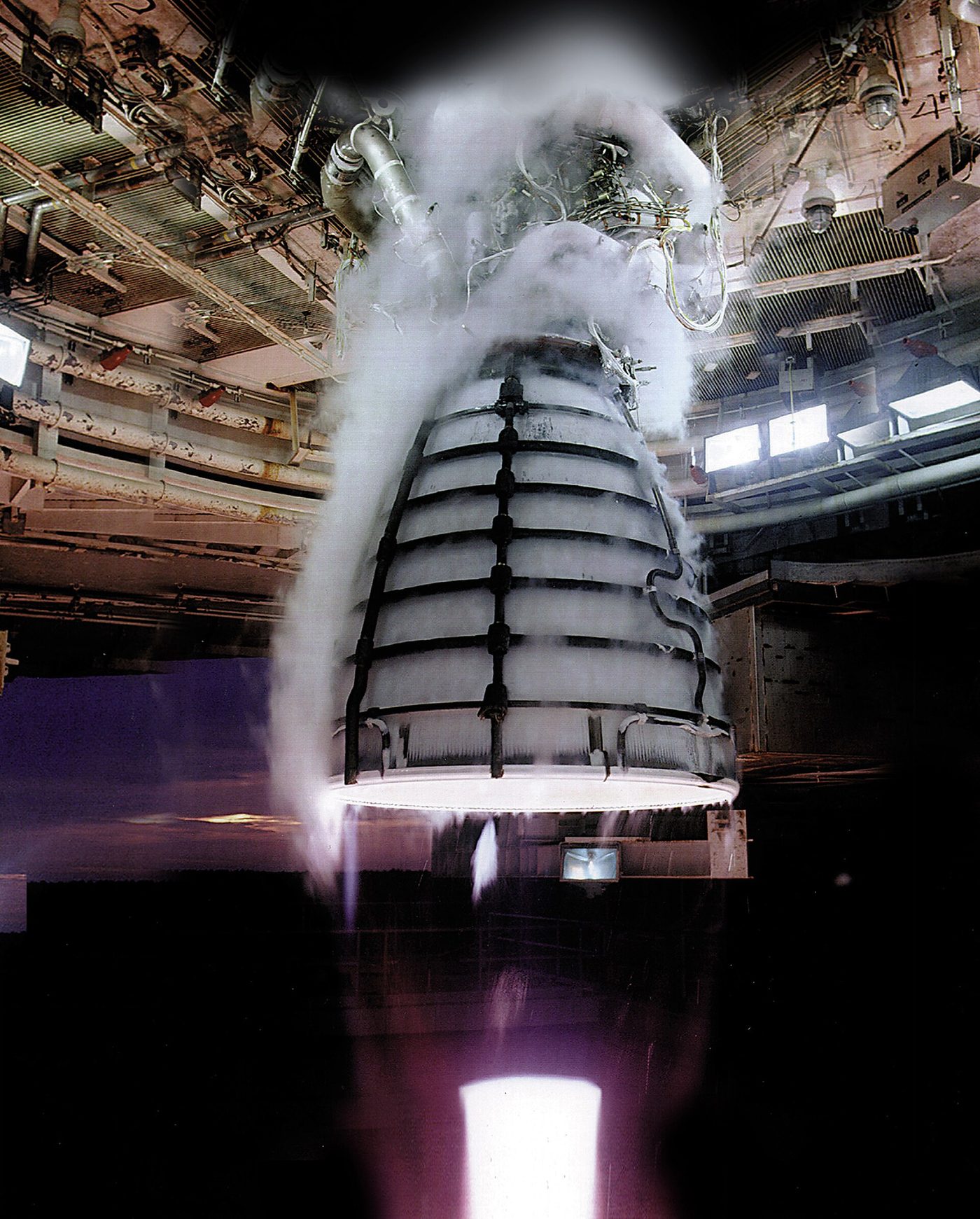
The RS-25 rocket engines, first used on the Space Shuttle and now on NASA's SLS Moon rocket, burn liquid hydrogen with liquid oxygen. What roars out of them is mostly very hot steam: two elements joined to make the compound water.
Photo: NASA and Aerojet Rocketdyne, Public domain, via Wikimedia Commons
Try 5 questions
Quick questions on compounds, marked as you go. Each one explains the answer.
Question 1 of 5
Once heating has started the reaction, the iron and sulfur go on glowing without the Bunsen burner.
Choose an answer. Each question explains itself.
The homework sheet
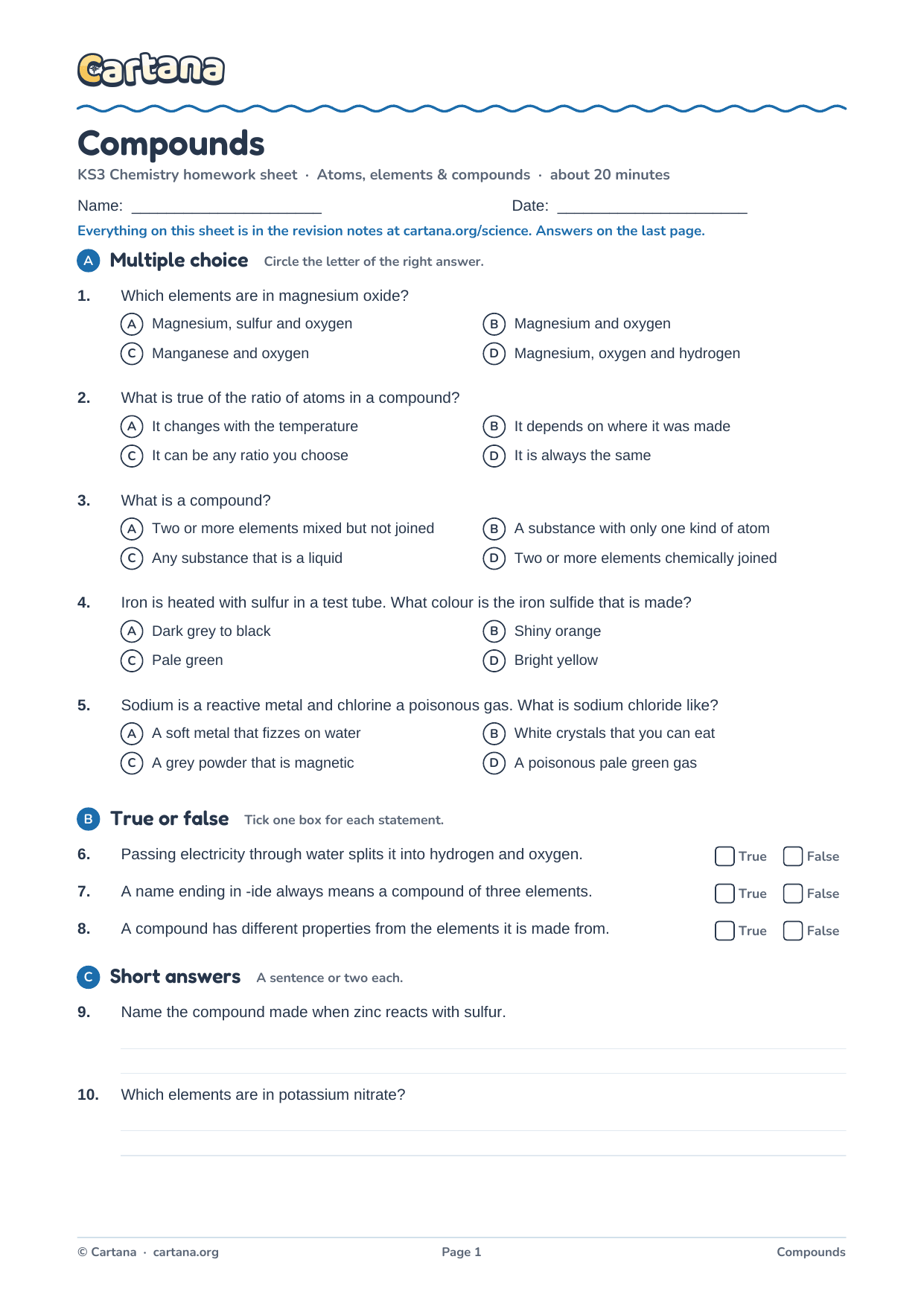
About twenty minutes. Everything on it is in the notes above; the answers are on the last page.
Free homework sheet
Compounds homework sheet
17 questions, about twenty minutes, with the answers on the last page: multiple choice, true or false, short answers, key words to define and one to explain in full.
KS3 Atoms, elements & compounds
Revised the whole unit?
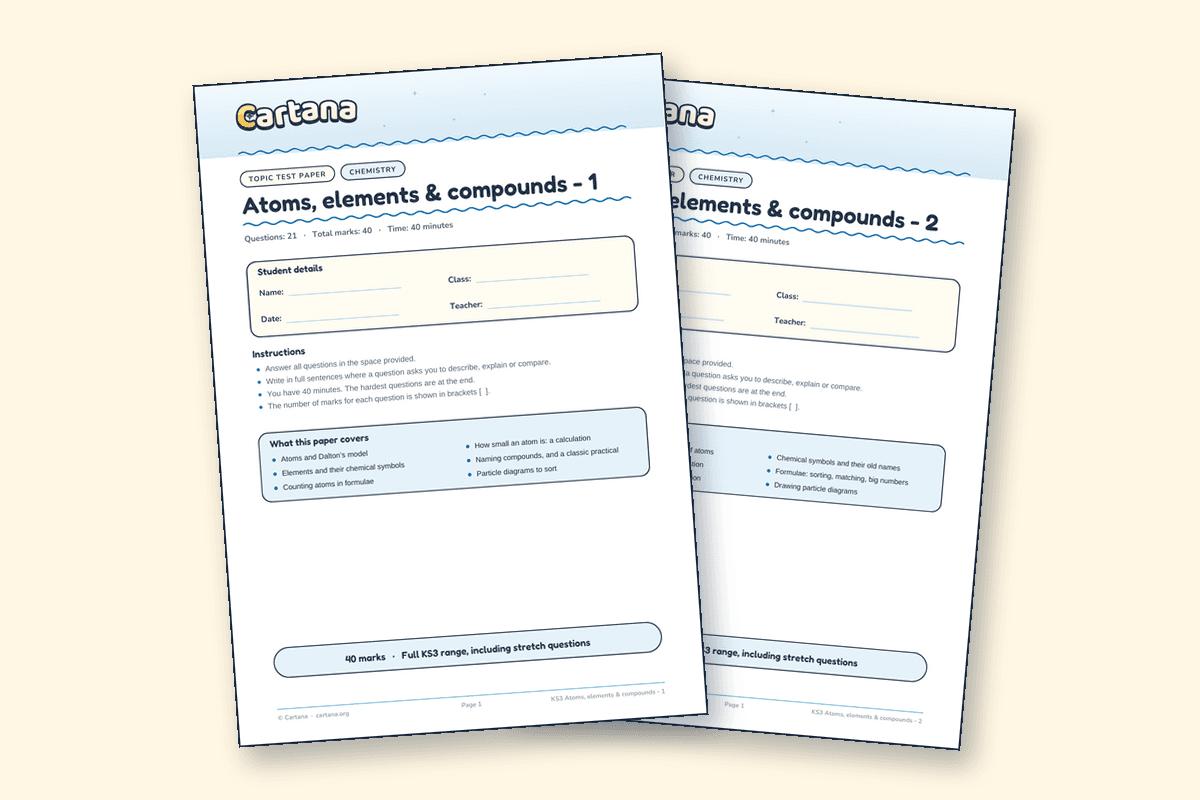
When every topic in atoms, elements & compounds is done, two different papers test the whole unit, each with its own mark scheme.


 Watch the trailer · 1:06
New from Cartana · Beta test 1–31 December
Revision that feels like an adventure
Cartana is our KS3 learning adventure: sail between islands, answer quick-fire questions and battle bosses. It starts with science, with maths on the way, and launches in 2027. This December a small group of testers gets to play it first.
In the Cartana adventure, every science unit is an island to explore. The island for atoms, elements & compounds is being built.
- Play the game before its official release
- Help us build it with your feedback
- Earn exclusive in-game items in return
More in this unit