
KS3 Chemistry · The periodic table
Noble gases
- The Group 0 elements: helium, neon, argon, krypton and xenon, colourless gases that do not react
- Uses that come from not reacting: helium balloons, neon signs, argon in light bulbs and welding
- The trends down the group: the boiling point and the density increase
- Why Mendeleev never knew them, and how a whole new group was added to his table
- 2 min read
- 5 quick questions
- Free homework sheet
- Years 7 to 9
Revision notes
Group 0, the last column on the right, holds the noble gases: helium, neon, argon, krypton and xenon, then radon. They are non-metals, all colourless gases, and unreactive: they hardly ever join in reactions. That is exactly what makes them useful.
| Gas | Use | Why |
|---|---|---|
| Helium | Balloons and airships | Much less dense than air, and it does not burn, unlike hydrogen |
| Neon | Advertising signs | A tube of neon glows red-orange when electricity passes through it |
| Argon | Filament light bulbs | It does not react with the white-hot filament, so the filament does not burn away |
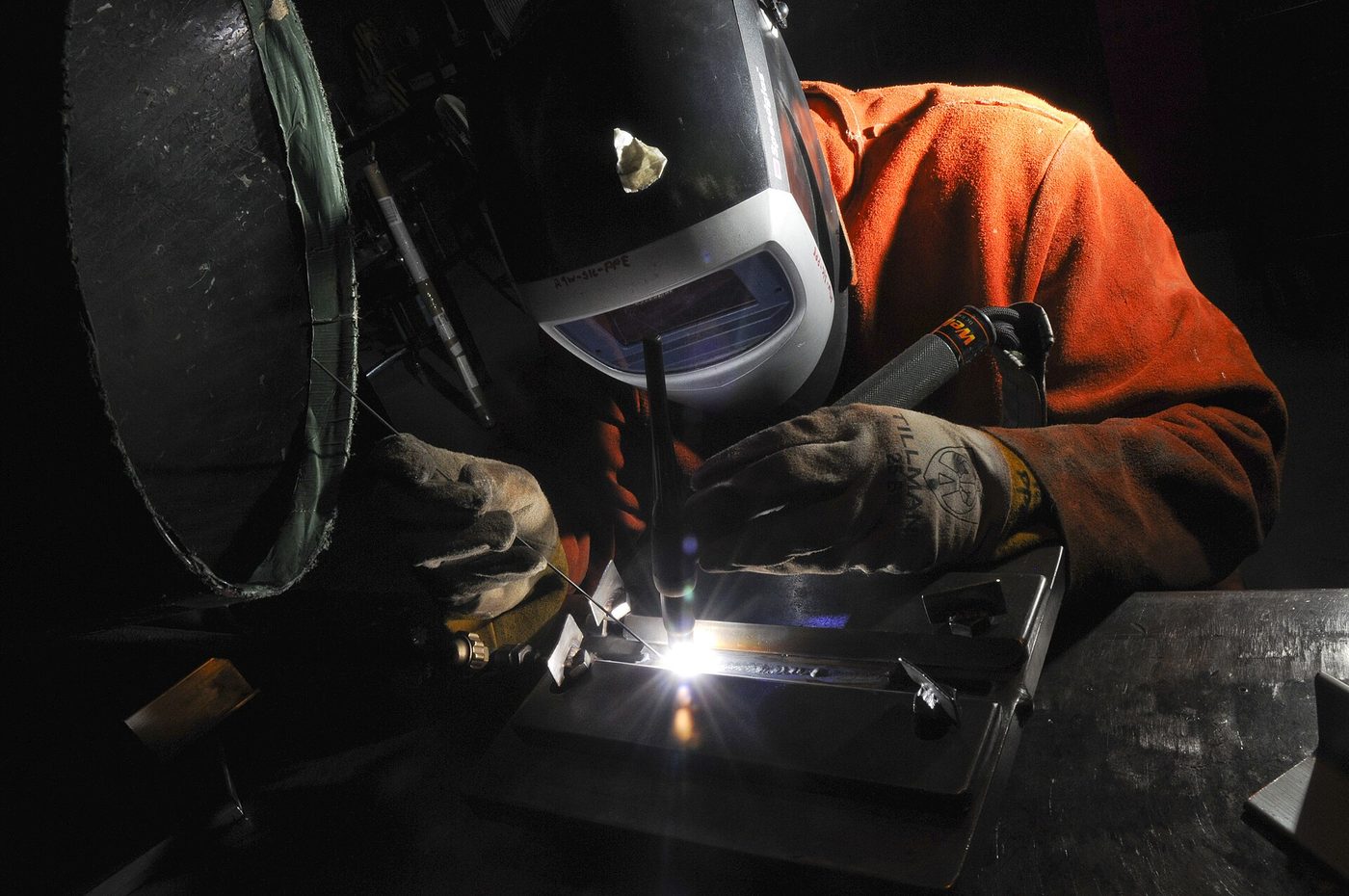
| Argon | Welding | It keeps the air off the hot metal, so the metal cannot react with oxygen |
| Argon | Double glazing | It is a poor conductor of heat |
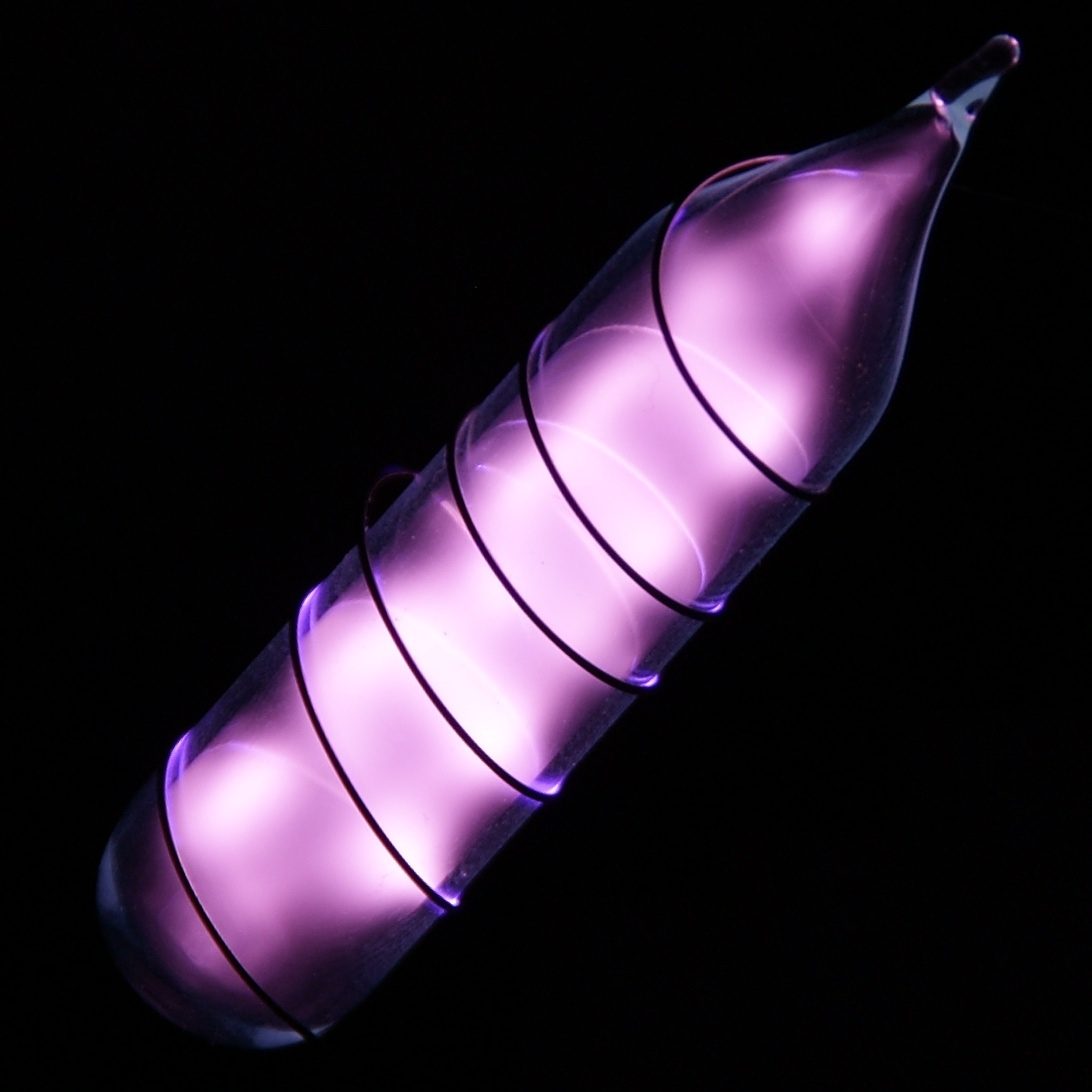
Each noble gas glows its own colour when electricity passes through it. It is not burning, and it is not used up.
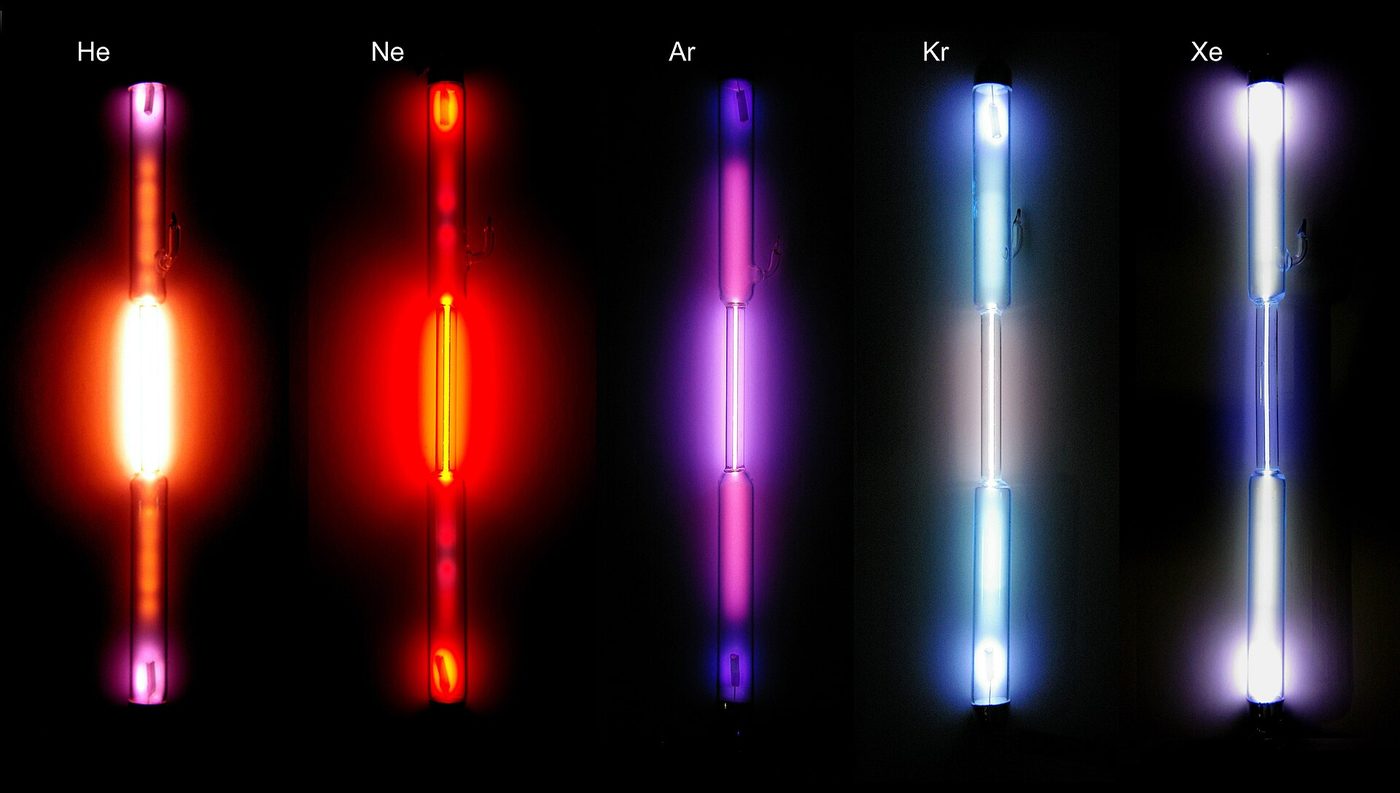
Trends down Group 0. Going down the group, the boiling point increases and the density increases.

| Noble gas | Boiling point (°C) | Density (g/dm³ at 0 °C) |
|---|---|---|
| Helium | −269 | 0.18 |
| Neon | −246 | 0.90 |
| Argon | −186 | 1.78 |
| Krypton | −153 | 3.75 |
| Xenon | −108 | 5.89 |
Discovery. None of the noble gases was known to Mendeleev. They are colourless and do not react, so they were easy to miss, even though argon makes up nearly 1% of the air. Argon was found in 1894 by Lord Rayleigh and William Ramsay, and named from the Greek for lazy (neon means new, krypton hidden and xenon stranger). Ramsay found helium on Earth in 1895 (it had been seen in light from the Sun in 1868), then neon, krypton and xenon in 1898. They fitted the table as a new group, and the table still worked.
Predicting. Radon is below xenon, so the pattern predicts it is a colourless, unreactive gas with a higher boiling point and a higher density than xenon.
Stretch Radon is radioactive; it seeps out of some rocks, such as granite, and homes in parts of the UK are tested for it. Liquid helium boils at −269 °C, colder than any other liquid, and is used to cool the magnets in hospital MRI scanners. Most of the helium we use comes out of the ground with natural gas. Helium is the second most common element in the universe, after hydrogen. Helium atoms are so small that they slowly escape through the skin of a rubber balloon. Oganesson, element 118, sits at the bottom of Group 0, but only a few atoms of it have ever been made.
Written to the KS3 national curriculum. Last changed 12 November 2026.
Key words
Say them, spell them, use them in an answer.
- noble gases
- Group 0
- unreactive
- helium
- neon
- argon
- boiling point
- density
Common misconception
Often said“The noble gases are no use because they do not react.”
In factNot reacting is exactly what makes them useful: argon protects hot filaments and welds, helium lifts balloons with no risk of burning, and neon glows in signs.
Did you know?
Helium’s yellow line
In 1868 astronomers studying the light from the Sun saw a bright yellow line that matched no element known on Earth. Norman Lockyer named the element helium, after helios, the Greek for the Sun. William Ramsay found it on Earth in 1895, in a uranium mineral.
Try 5 questions
Quick questions on noble gases, marked as you go. Each one explains the answer.
Question 1 of 5
What colour are the noble gases?
Choose an answer. Each question explains itself.
The homework sheet
About twenty minutes. Everything on it is in the notes above; the answers are on the last page.
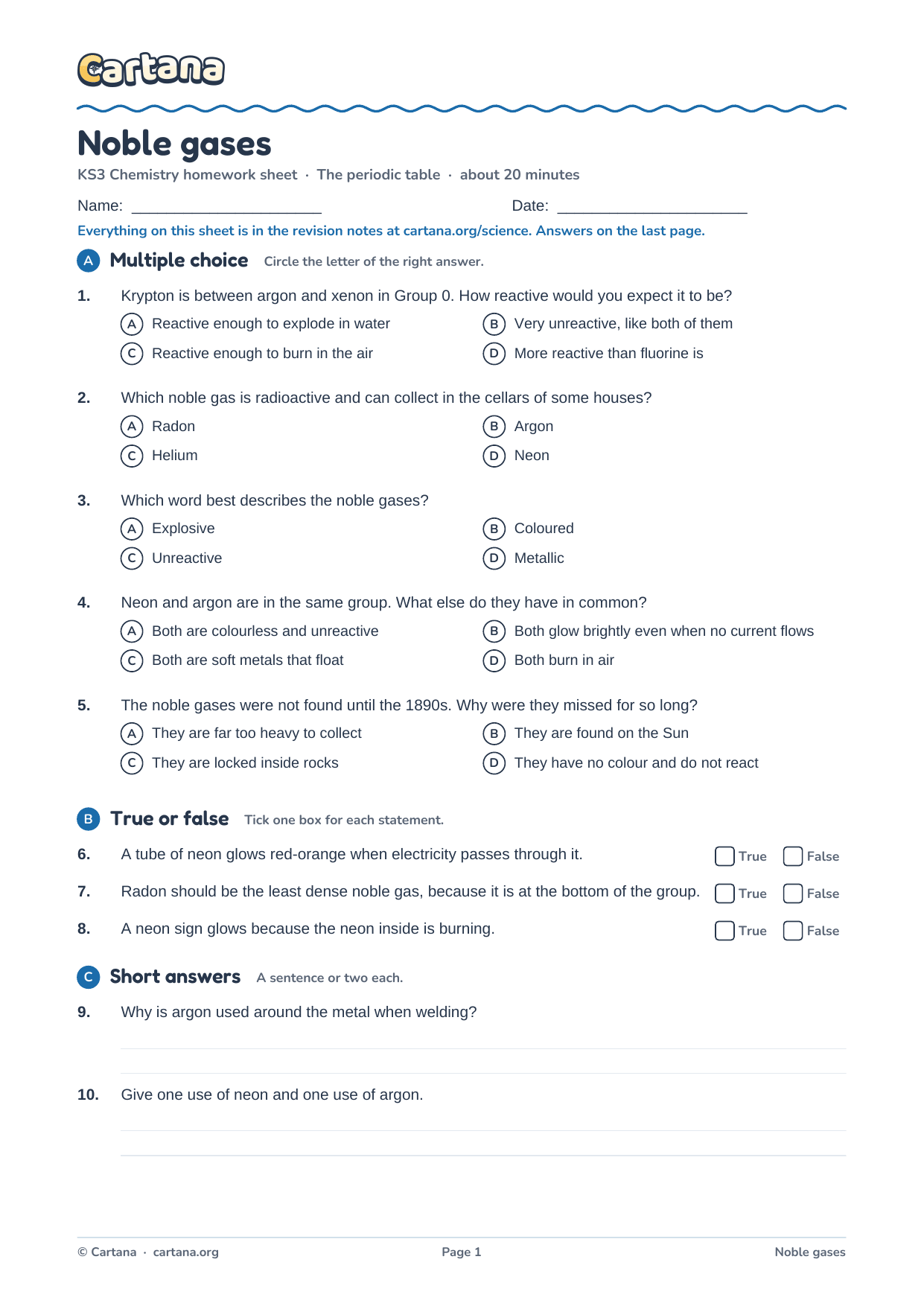
Free homework sheet
Noble gases homework sheet
17 questions, about twenty minutes, with the answers on the last page: multiple choice, true or false, short answers, key words to define and one to explain in full.
KS3 The periodic table
Revised the whole unit?
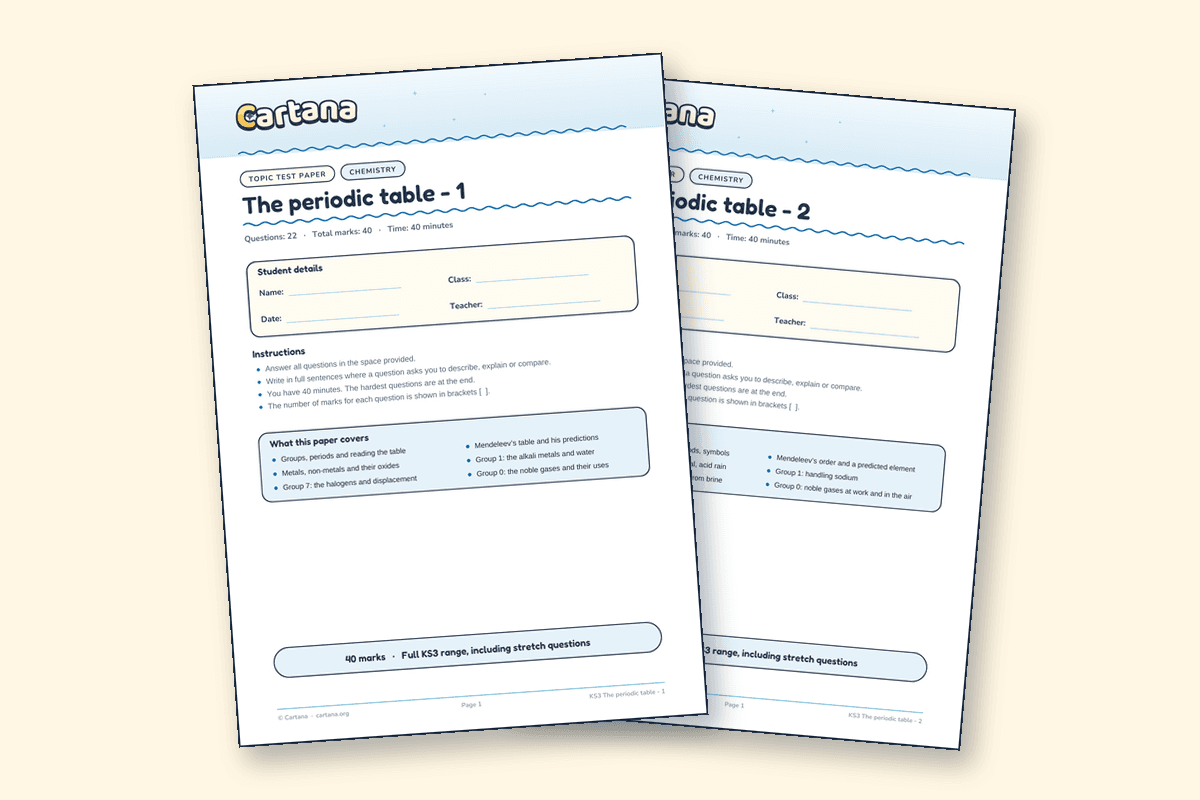
When every topic in the periodic table is done, two different papers test the whole unit, each with its own mark scheme.


 Watch the trailer · 1:06
New from Cartana · Beta test 1–31 December
Revision that feels like an adventure
Cartana is our KS3 learning adventure: sail between islands, answer quick-fire questions and battle bosses. It starts with science, with maths on the way, and launches in 2027. This December a small group of testers gets to play it first.
In the Cartana adventure, noble gases is Noble Court, a district of the island Periodica.
- Play the game before its official release
- Help us build it with your feedback
- Earn exclusive in-game items in return
More in this unit