
KS3 Physics · Motion & pressure
Speed
- Speed = distance ÷ time, in m/s and km/h
- Changing the units before you divide, and rearranging the equation
- Average speed, and how to measure your walking speed
- Relative motion: cars overtaking and trains passing
- 4 min read
- 5 quick questions
- Free homework sheet
- Years 7 to 9
Revision notes
Speed is how far an object travels in a given time. To find it, divide the distance travelled by the time taken: a speed of 20 metres per second means 20 metres covered every second.
How do you calculate speed?
With the distance in metres (m) and the time in seconds (s), the speed is in metres per second (m/s). With the distance in kilometres and the time in hours, it is in kilometres per hour (km/h). UK road signs use miles per hour (mph).
A runner covers 400 m in 80 s. What is her speed?
speed = distance ÷ time
speed = 400 m ÷ 80 s = 5 m/s
Before you divide, put the distance and time in the units you want the answer in. 1 km is 1000 m, 1 minute is 60 s and 1 hour is 3600 s.
A train travels 12 km in 10 minutes. What is its speed in m/s?
distance = 12 km = 12 × 1000 = 12,000 m
time = 10 minutes = 10 × 60 = 600 s
speed = 12,000 m ÷ 600 s = 20 m/s
Dividing 12 by 10 without changing the units gives 1.2, which would be in km per minute, not m/s.
How do you find the distance or the time?
The same equation, turned round:
- distance = speed × time. A car at 25 m/s for 40 s goes 25 × 40 = 1000 m.
- time = distance ÷ speed. Walking 600 m at 1.5 m/s takes 600 ÷ 1.5 = 400 s, just under 7 minutes.
| Moving thing | Typical speed |
|---|---|
| Walking | 1.5 m/s (about 5 km/h) |
| Cycling | 5 m/s (18 km/h) |
| Car on a motorway | 31 m/s (70 mph) |
| Sound in air | 340 m/s |
To change m/s into km/h, multiply by 3.6: 10 m/s is 36 km/h.
What is average speed?
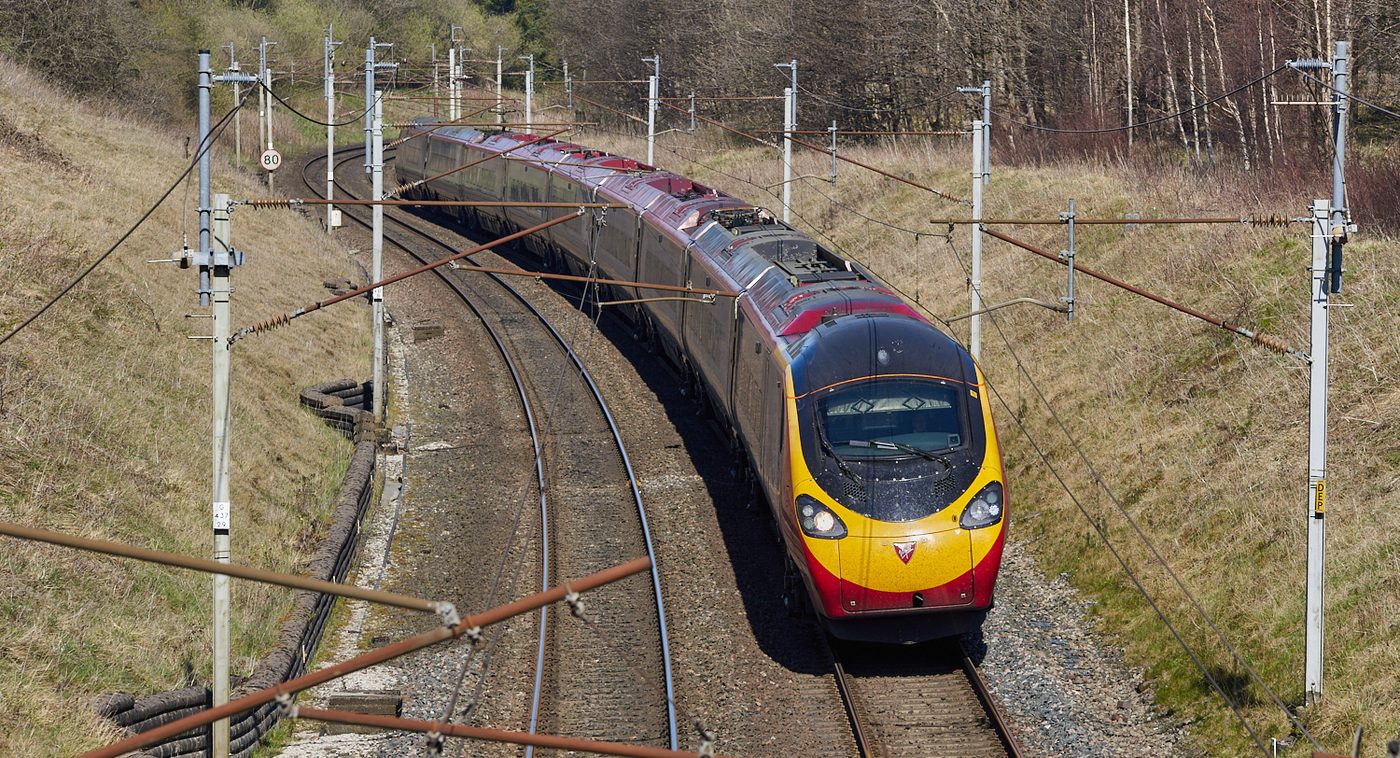
On most journeys the speed keeps changing: a bus speeds up, slows down and stops. Dividing the whole distance by the whole time gives the average speed:
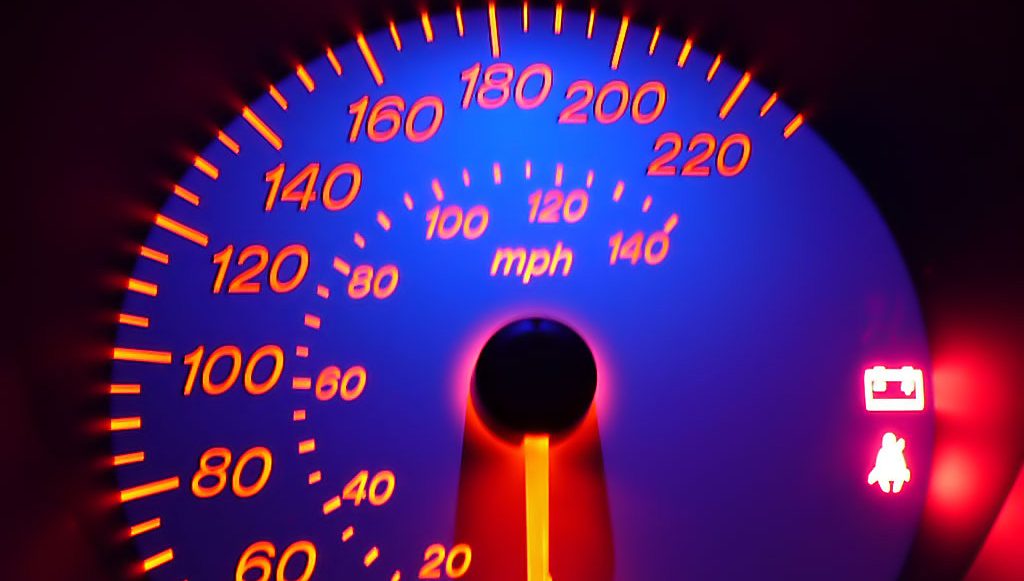
A bus that covers 6 km in half an hour has an average speed of 6 ÷ 0.5 = 12 km/h, even if it reaches 40 km/h between stops. The speed at one moment, which a car’s speedometer shows, is the instantaneous speed.
Measuring your walking speed:
- Measure out 20 m with a tape measure and mark the start and finish.
- Time the walk with a stopwatch, starting it as the walker crosses the start line.
- Repeat three times and work out the mean time, then speed = 20 m ÷ mean time.
A long course helps: your reaction time, the delay before your thumb presses the stopwatch (about 0.2 s), is then a small part of the time measured.
What is relative motion?
How fast something seems to move depends on who is watching. The speed of one object as seen from another is its relative speed.
- Moving the same way: take the smaller speed from the bigger. A car at 30 m/s overtaking a lorry at 25 m/s creeps past at 5 m/s.
- Moving towards each other: add the speeds. Two trains at 30 m/s and 20 m/s close at 50 m/s, so they flash past.
Sitting in a train at a station, when the train beside you pulls out you can feel as if your own train is moving: you only see the relative motion.
Stretch Velocity is speed in a stated direction. Two cars driving at 20 m/s, one north and one south, have the same speed but different velocities: call north positive, and one has a velocity of +20 m/s, the other −20 m/s. Their relative velocity is the difference, 20 − (−20) = 40 m/s, which is why adding the speeds works for things moving towards each other.
Written to the KS3 national curriculum. Last changed 15 November 2026.
Key words
Say them, spell them, use them in an answer.
- speed
- metres per second
- kilometres per hour
- miles per hour
- average speed
- instantaneous speed
- relative speed
- reaction time
Common misconception
Often said“If I go to my gran’s at 30 km/h and come back at 60 km/h, my average speed is 45 km/h.”
In factAverage speed is the total distance ÷ the total time, not the average of two speeds. If your gran lives 30 km away, the trip there takes 1 hour and the trip back half an hour: 60 km in 1.5 hours is 40 km/h. You spend longer at the slow speed, so it counts for more.
Did you know?
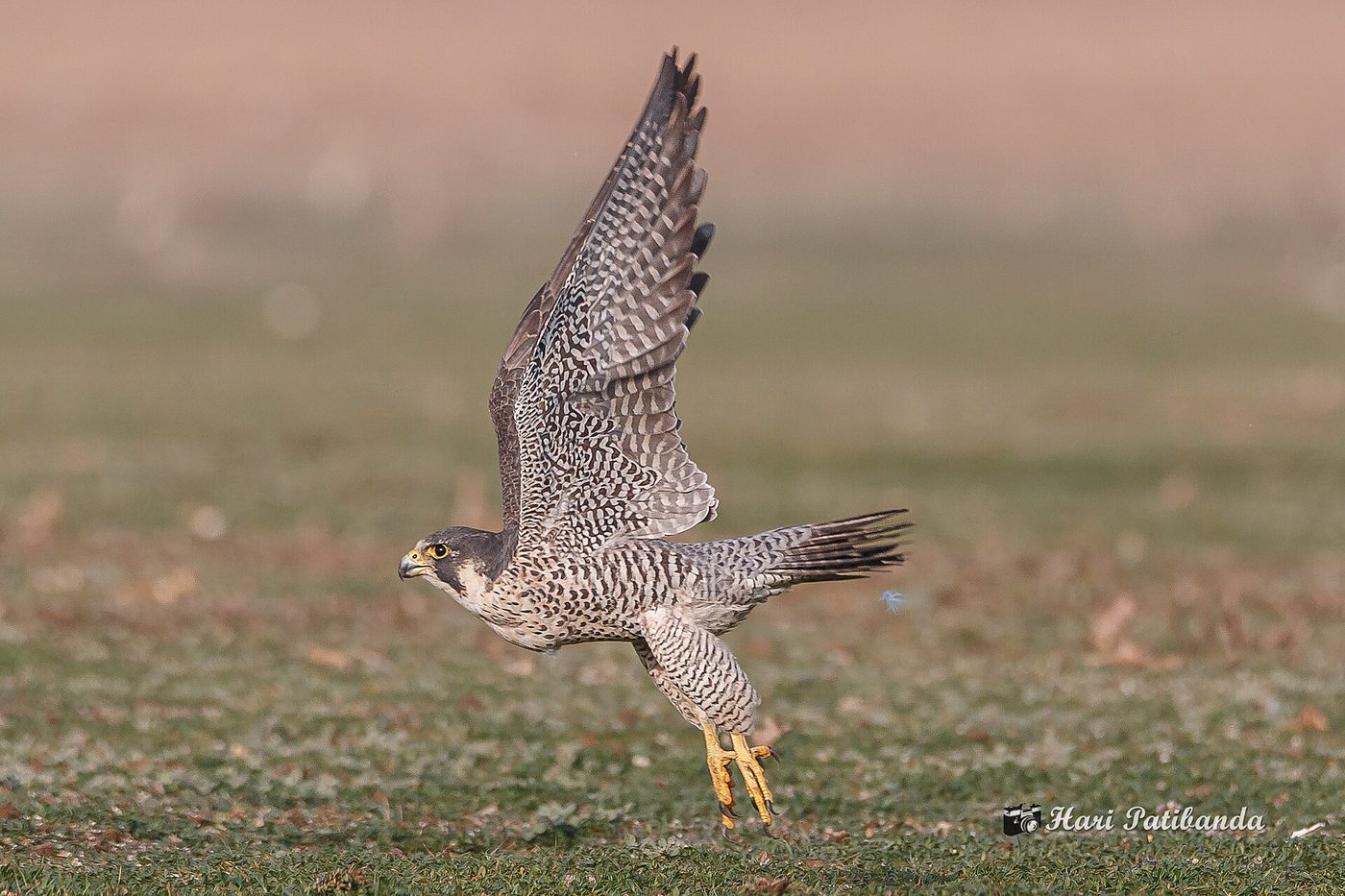
Peregrine falcon
Diving after its prey, a peregrine falcon has been measured at about 390 km/h, more than 100 m/s: the fastest speed recorded for any animal.
Photo: Hari K Patibanda, CC BY 2.0, via Wikimedia Commons
Try 5 questions
Quick questions on speed, marked as you go. Each one explains the answer.
Question 1 of 5
How do you work out the average speed of a journey?
Choose an answer. Each question explains itself.
The homework sheet
About twenty minutes. Everything on it is in the notes above; the answers are on the last page.
Free homework sheet
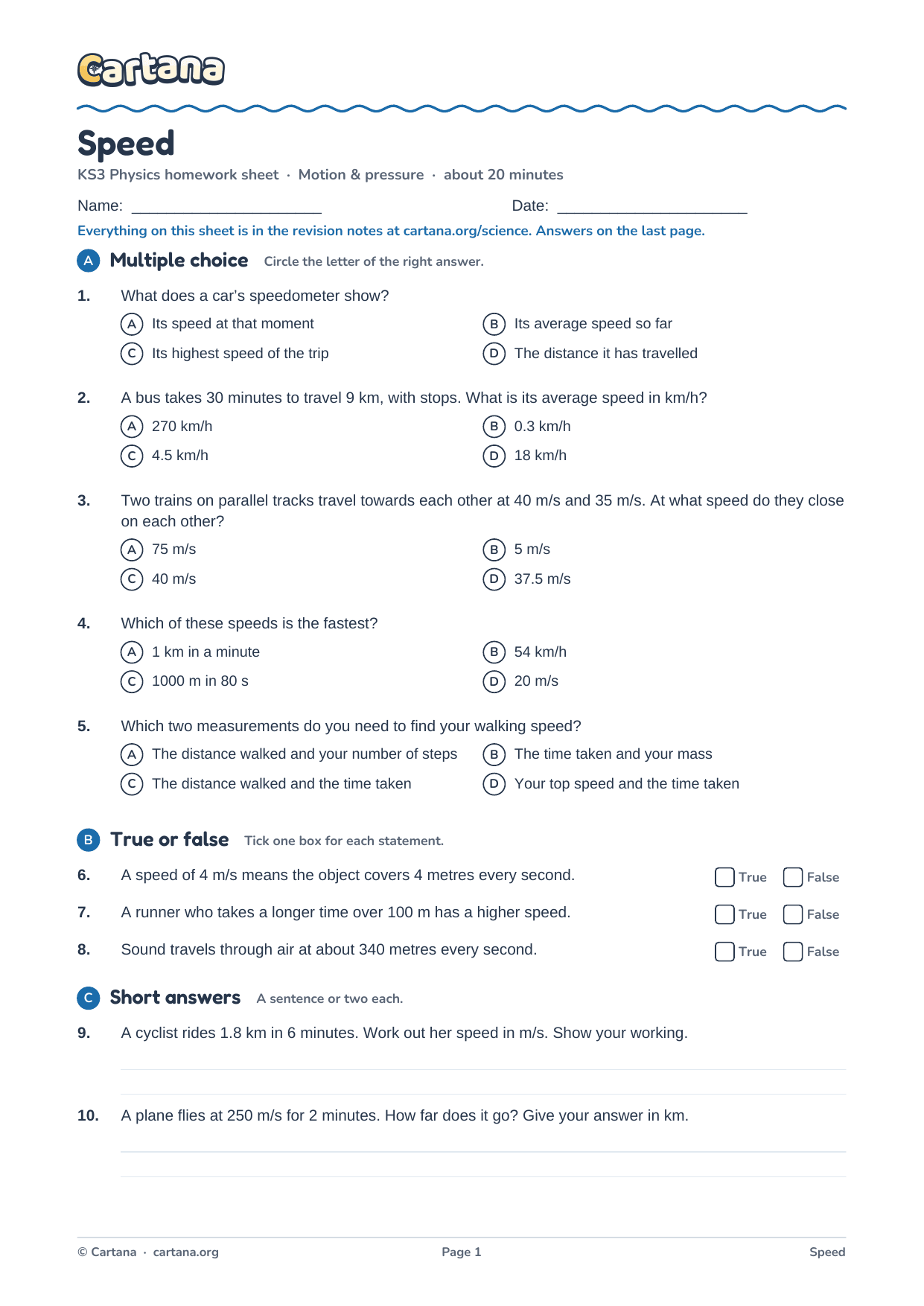
Speed homework sheet
17 questions, about twenty minutes, with the answers on the last page: multiple choice, true or false, short answers, key words to define and one to explain in full.
KS3 Motion & pressure
Revised the whole unit?
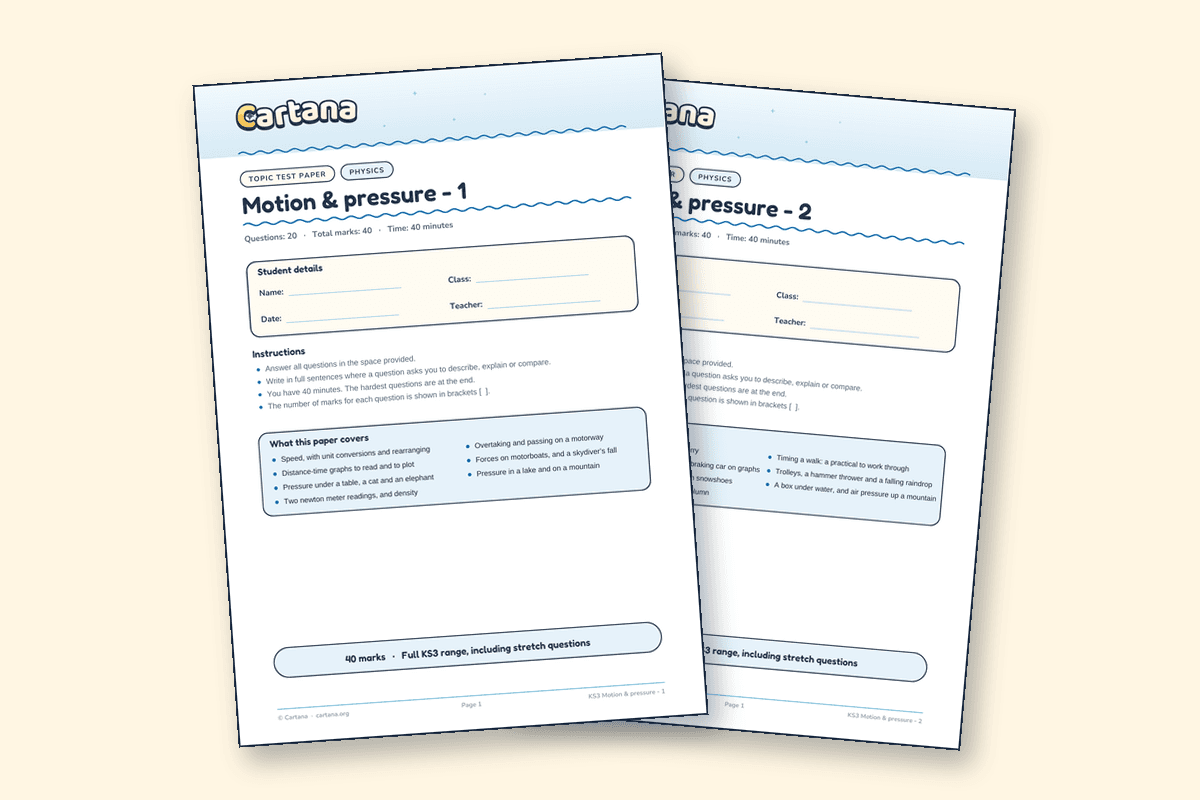
When every topic in motion & pressure is done, two different papers test the whole unit, each with its own mark scheme.


 Watch the trailer · 1:06
New from Cartana · Beta test 1–31 December
Revision that feels like an adventure
Cartana is our KS3 learning adventure: sail between islands, answer quick-fire questions and battle bosses. It starts with science, with maths on the way, and launches in 2027. This December a small group of testers gets to play it first.
In the Cartana adventure, every science unit is an island to explore. The island for motion & pressure is being built.
- Play the game before its official release
- Help us build it with your feedback
- Earn exclusive in-game items in return
More in this unit
Motion & pressure
- 2Distance-time graphsNextReading and drawing distance-time graphs, and working out speed from the gradient
- 3Forces and motionHow a resultant force starts, stops, speeds up, slows down or turns an object, and what happens as things fall
- 4Pressure on solidsPressure = force ÷ area, in N/m² and N/cm², with snowshoes, drawing pins and calculations
- 5Pressure in liquids and gasesPressure in fluids acts in all directions and increases with depth; dams, divers and atmospheric pressure
- 6Floating and sinkingUpthrust, floating when upthrust equals weight, density, ships and submarines