
KS3 Working scientifically
Planning an investigation
- What goes in a plan: question, variables, equipment, method and risk assessment
- Range, interval and why readings are repeated
- Choosing equipment and using the right units
- Categoric, discrete and continuous data, and which graph each one needs
- 1 min read
- 5 quick questions
- Free homework sheet
- Years 7 to 9
Revision notes
A plan says what you will change, what you will measure, the equipment you need and how you will stay safe. Choose a sensible range and interval, take repeat readings, and know whether your data is categoric, discrete or continuous.
A plan includes
- The question and a prediction.
- The variables: independent, dependent and control.
- An equipment list.
- A method: numbered steps in order, with amounts, what to measure and when.
- A risk assessment.
Range, interval and repeats
- Range: the lowest to the highest value of the independent variable, e.g. 20 °C to 60 °C.
- Interval: the gap between values, e.g. every 10 °C.
- Use at least 5 values for a line graph.
- Repeat each reading (usually 3 times) to spot anomalies and calculate a mean. Repeats that are close together are repeatable (some teachers say reliable).
Equipment and units
| Measures | Equipment | Unit |
|---|---|---|
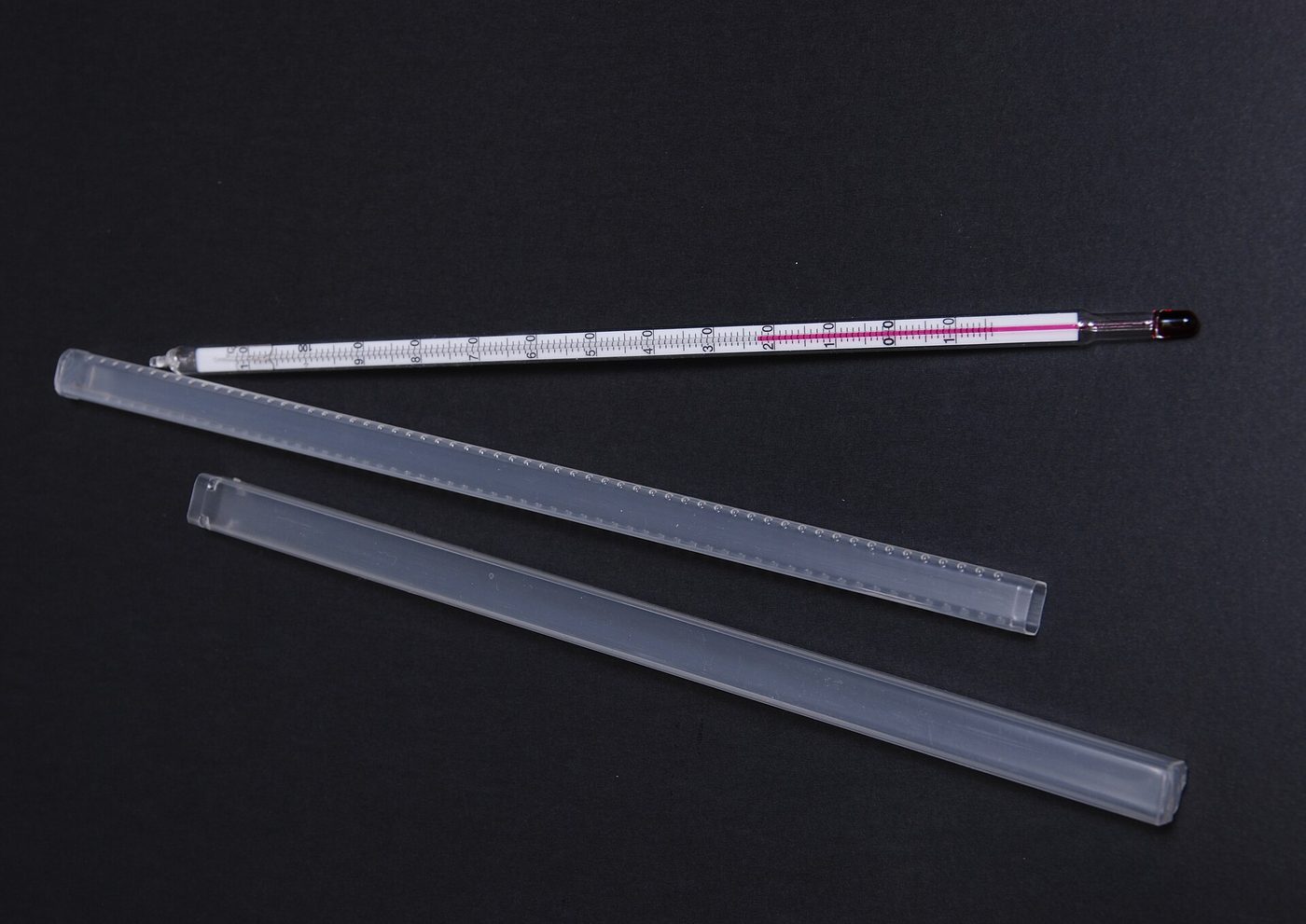
| Temperature | Thermometer | °C |
| Time | Stopwatch | s |
| Volume of liquid | Measuring cylinder | cm³ |
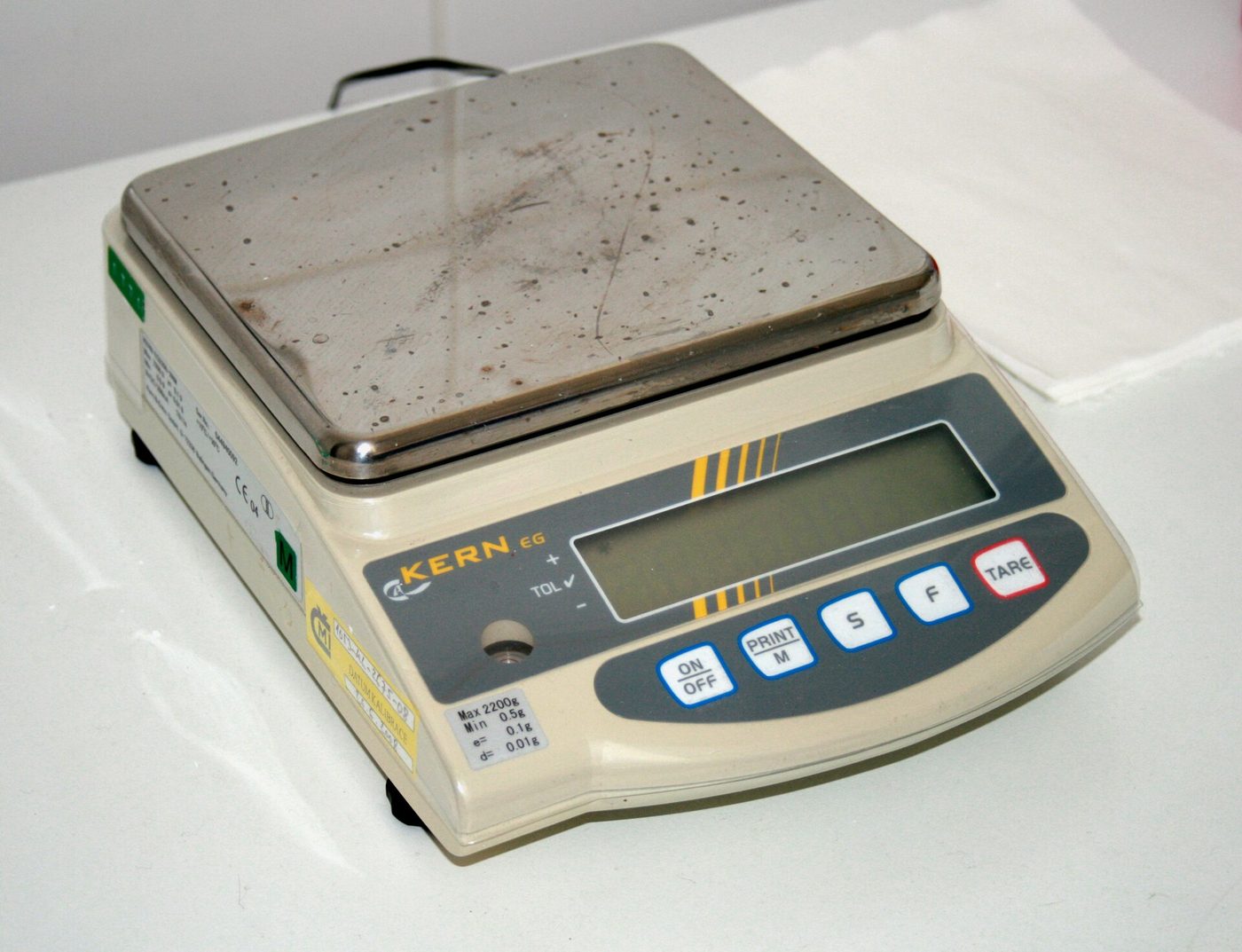
| Mass | Balance | g |
| Length | Ruler or metre rule | mm, cm or m |
| Force | Newton meter | N |
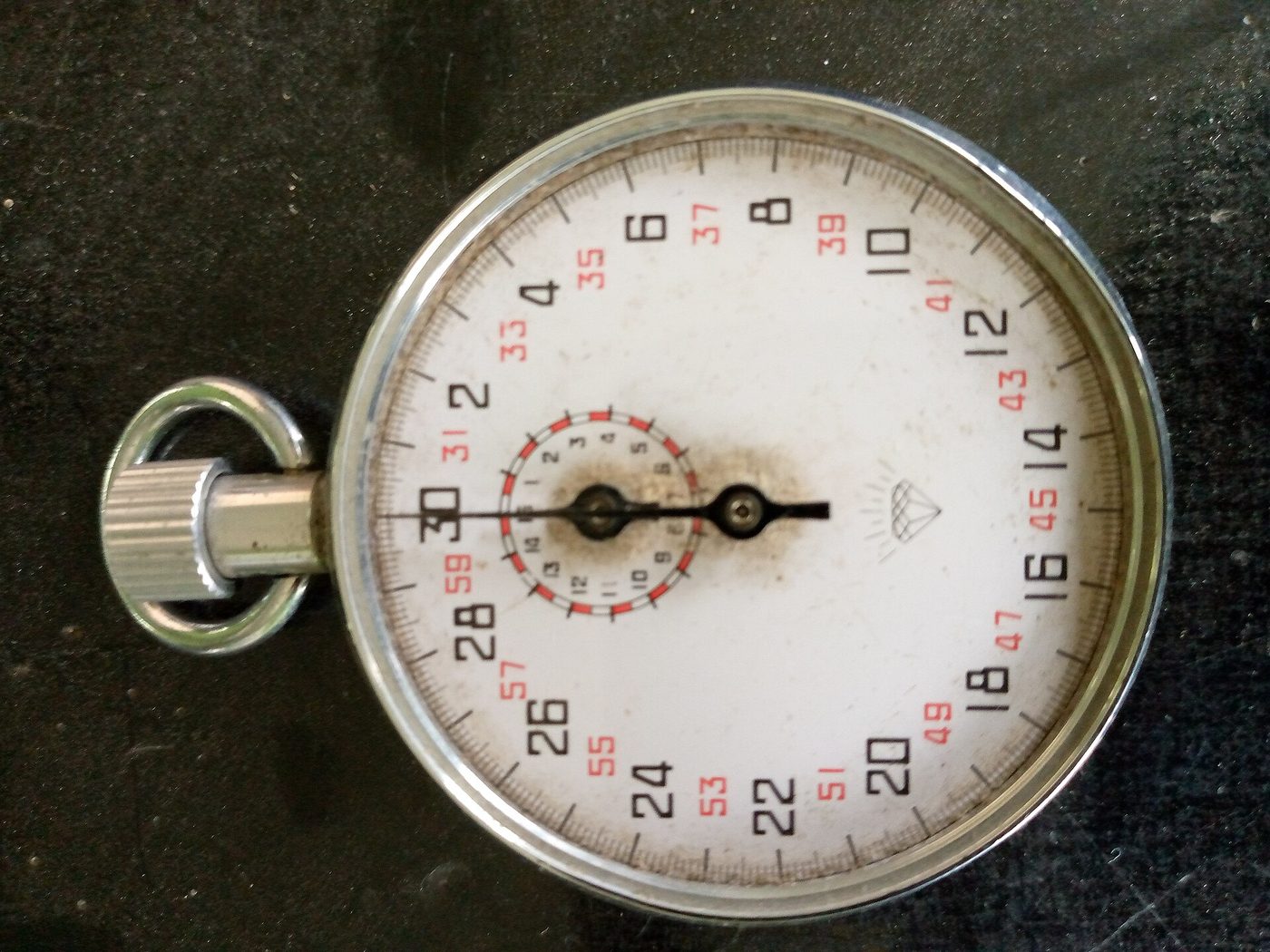
Choose the most precise suitable equipment: a measuring cylinder, not a beaker, for measuring volume.
Types of data
- Categoric: names or groups, e.g. type of material.
- Discrete: counted, so only whole numbers, e.g. number of paper clips.
- Continuous: measured, any value, e.g. time, temperature, length.
- Qualitative data is descriptive (words). Quantitative data is numbers.
Categoric independent variable: bar chart. Continuous independent variable: line graph.
Written to the KS3 national curriculum. Last changed 8 November 2026.
Key words
Say them, spell them, use them in an answer.
- range
- interval
- repeat readings
- categoric
- discrete
- continuous
Common misconception
Often said“A method should be written as one long paragraph.”
In factUse numbered steps, in the order you would do them.
Try 5 questions
Quick questions on planning an investigation, marked as you go. Each one explains the answer.
Question 1 of 5
Why should each test be repeated, usually three times?
Choose an answer. Each question explains itself.
The homework sheet
About twenty minutes. Everything on it is in the notes above; the answers are on the last page.
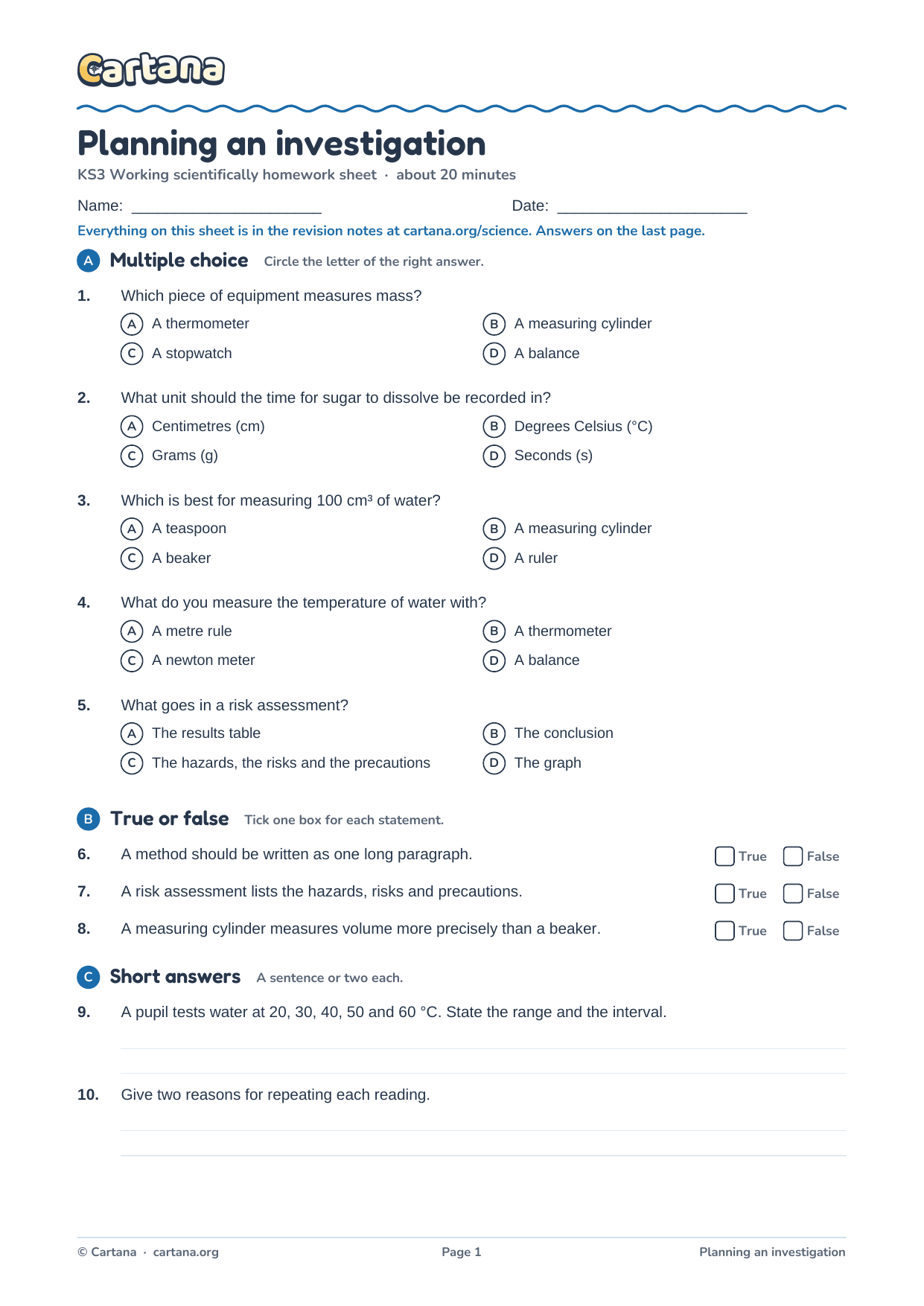
Free homework sheet
Planning an investigation homework sheet
17 questions, about twenty minutes, with the answers on the last page: multiple choice, true or false, short answers, key words to define and one to explain in full.
KS3 Working scientifically
Revised the whole unit?
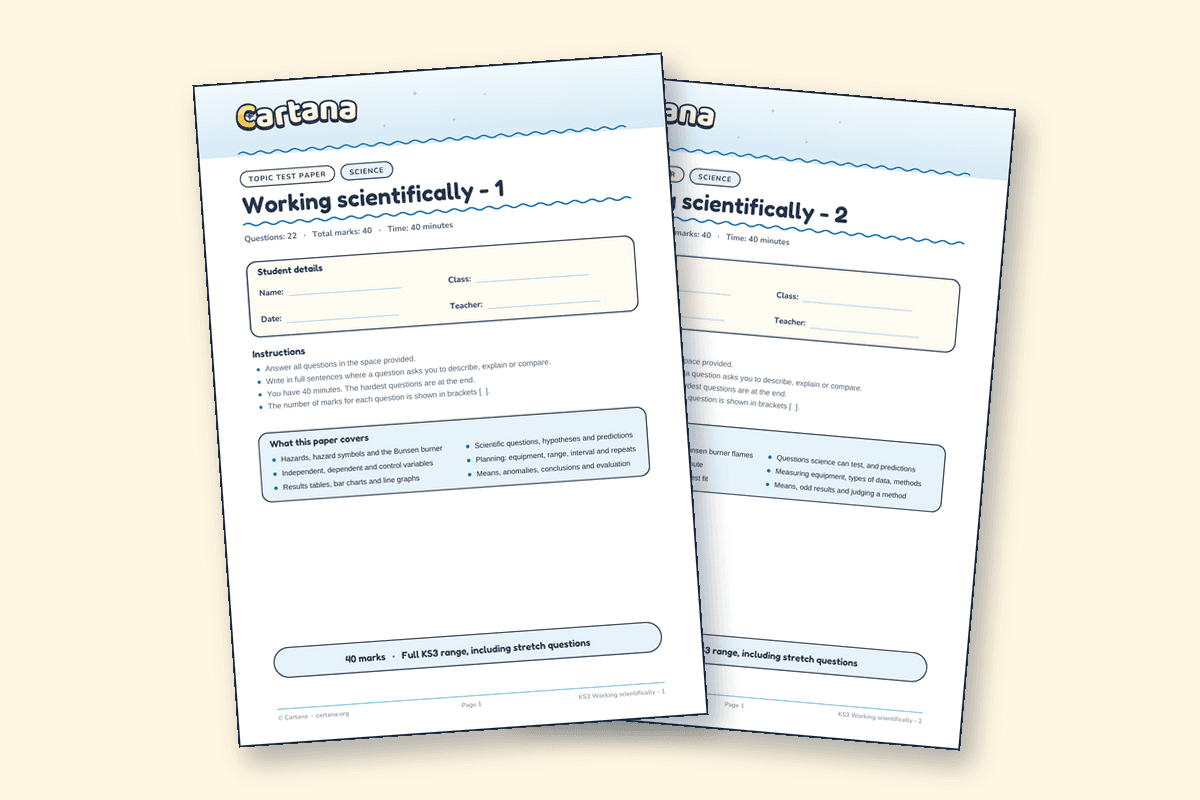
When every topic in working scientifically is done, two different papers test the whole unit, each with its own mark scheme.


 Watch the trailer · 1:06
New from Cartana · Beta test 1–31 December
Revision that feels like an adventure
Cartana is our KS3 learning adventure: sail between islands, answer quick-fire questions and battle bosses. It starts with science, with maths on the way, and launches in 2027. This December a small group of testers gets to play it first.
In the Cartana adventure, planning an investigation is the Library, a district of the island Beakerford.
- Play the game before its official release
- Help us build it with your feedback
- Earn exclusive in-game items in return
More in this unit