
KS3 Working scientifically
Variables
- Independent, dependent and control variables, and how to tell them apart
- What makes a test fair, and why only one variable is changed
- Spotting an unfair test
- Describing exactly how a control variable is kept the same
- 1 min read
- 5 quick questions
- Free homework sheet
- Years 7 to 9
Revision notes
A variable is anything that can change in an experiment. For a fair test you change the independent variable, measure the dependent variable and keep every control variable the same.
- A variable is anything that can change in an experiment.
- Independent variable: the one thing you change.
- Dependent variable: the thing you measure.
- Control variables: everything else that could affect the results, which you keep the same.
Memory trick: I change the Independent. The Dependent is the Data I collect.
Fair tests
In a fair test only the independent variable changes. Then any change in the dependent variable must be caused by it. Change two things at once and you can’t tell which one made the difference.
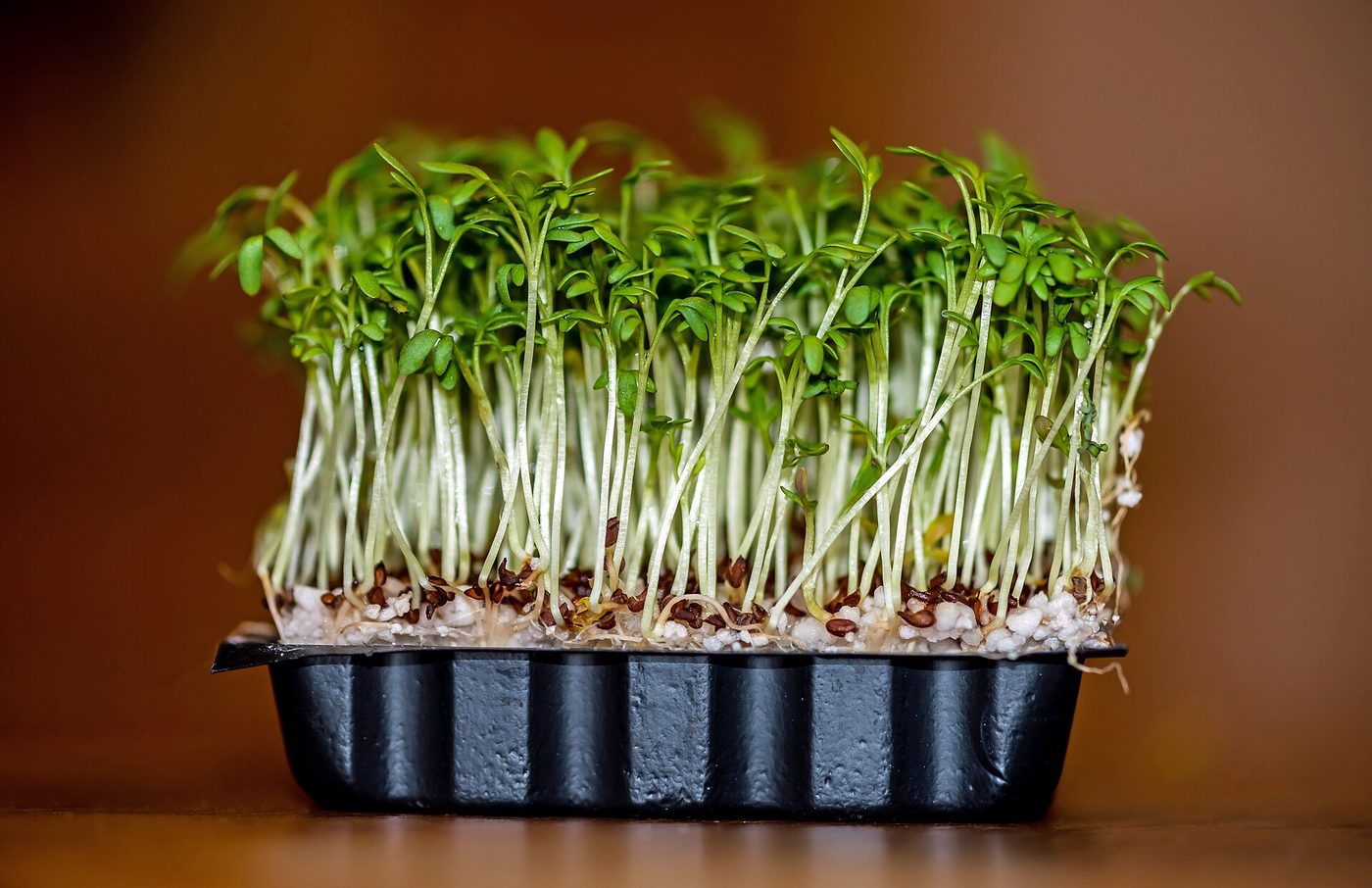
Describing control variables
Say what is kept the same and how. Not “the same water”, but “100 cm³ of water each time, measured with a measuring cylinder”.

Written to the KS3 national curriculum. Last changed 8 November 2026.
Key words
Say them, spell them, use them in an answer.
- variable
- fair test
- independent variable
- dependent variable
- control variable
Common misconception
Often said“Changing two variables at once makes an investigation fairer.”
In factIt makes it unfair: you can’t tell which change caused the result.
Try 5 questions
Quick questions on variables, marked as you go. Each one explains the answer.
Question 1 of 5
Sam tests which sugar dissolves fastest, using hot water for icing sugar and cold water for the sugar cubes. What is wrong?
Choose an answer. Each question explains itself.
The homework sheet
About twenty minutes. Everything on it is in the notes above; the answers are on the last page.
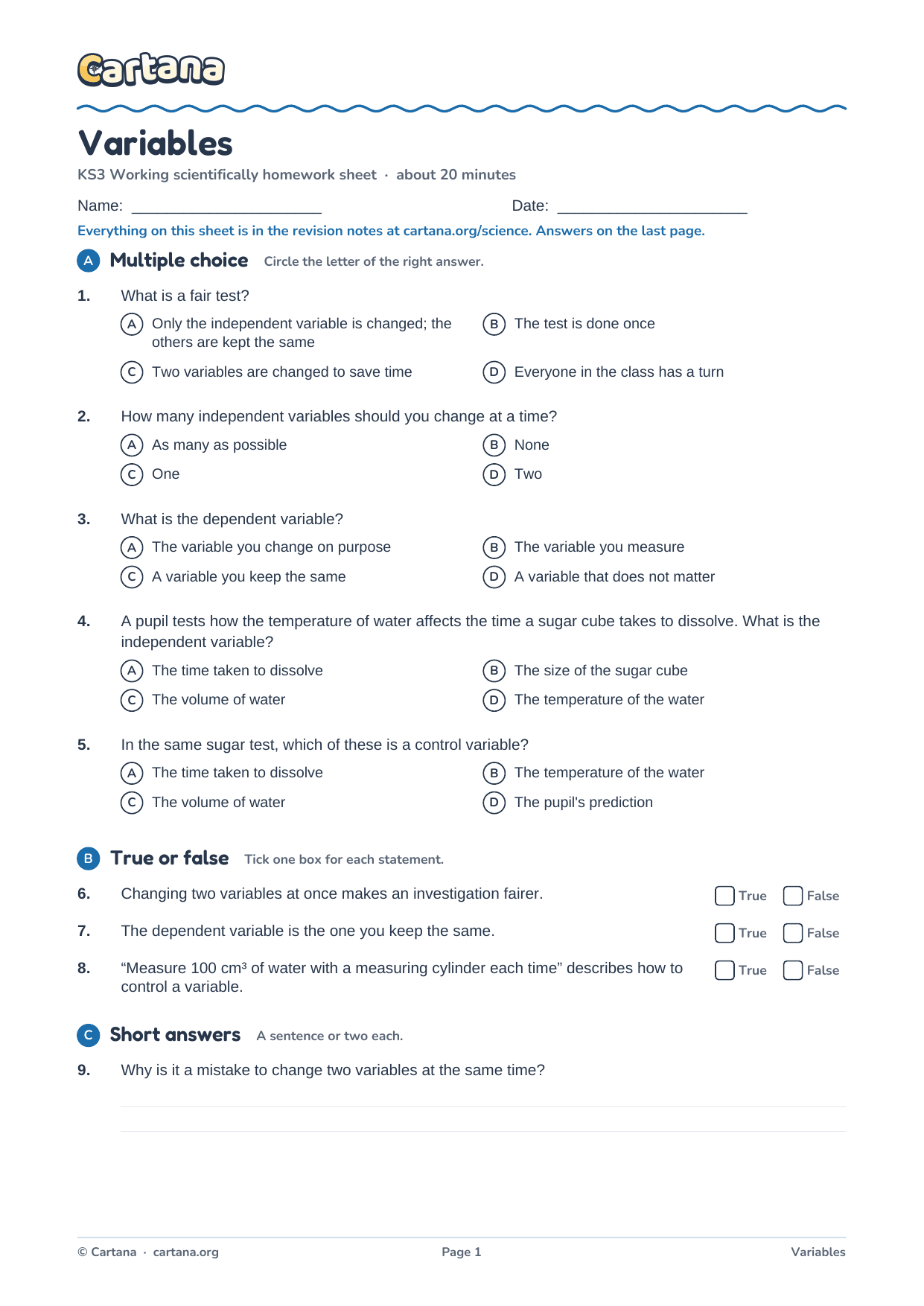
Free homework sheet
Variables homework sheet
17 questions, about twenty minutes, with the answers on the last page: multiple choice, true or false, short answers, key words to define and one to explain in full.
KS3 Working scientifically
Revised the whole unit?
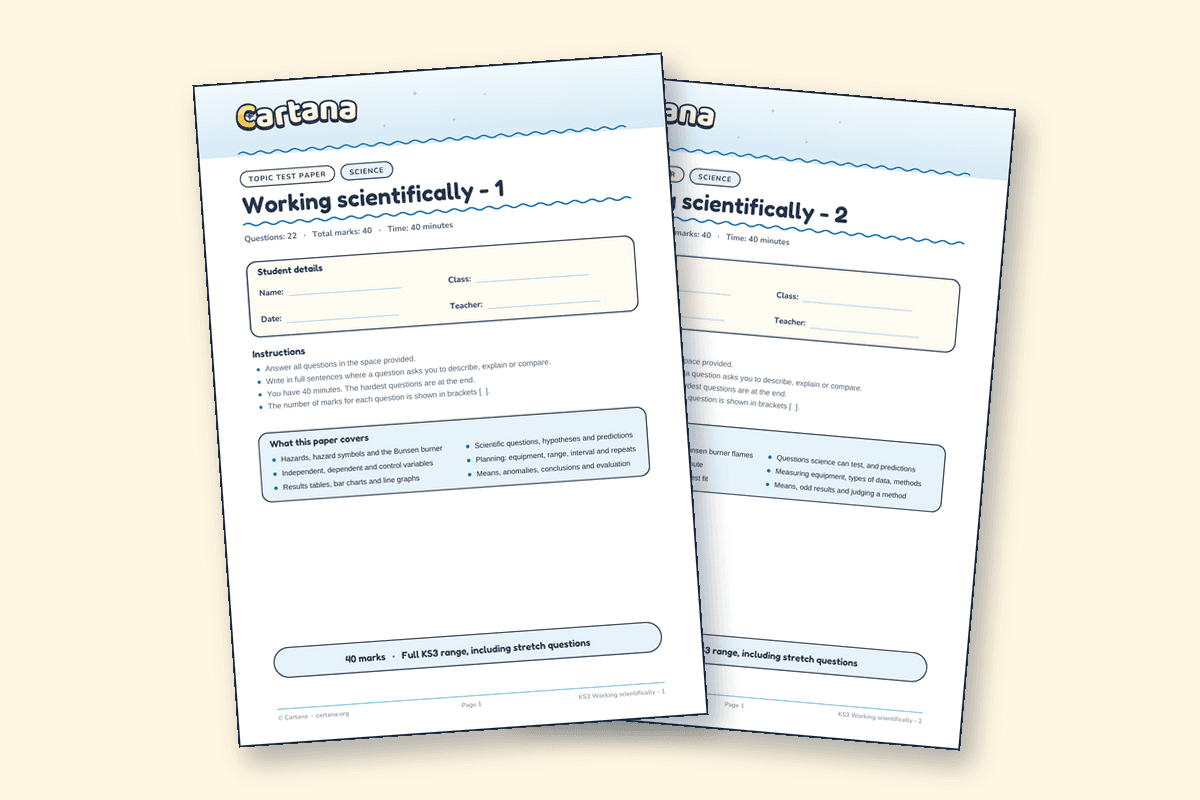
When every topic in working scientifically is done, two different papers test the whole unit, each with its own mark scheme.


 Watch the trailer · 1:06
New from Cartana · Beta test 1–31 December
Revision that feels like an adventure
Cartana is our KS3 learning adventure: sail between islands, answer quick-fire questions and battle bosses. It starts with science, with maths on the way, and launches in 2027. This December a small group of testers gets to play it first.
In the Cartana adventure, variables is the Fairground, a district of the island Beakerford.
- Play the game before its official release
- Help us build it with your feedback
- Earn exclusive in-game items in return
More in this unit