
KS3 Chemistry · Earth & atmosphere
The rock cycle
- Physical, chemical and biological weathering, including freeze–thaw
- Erosion, transport and deposition of rock pieces
- How burial, heat, melting and uplift link the three types of rock
- Following one grain of rock round the rock cycle
- 4 min read
- 5 quick questions
- Free homework sheet
- Years 7 to 9
Revision notes
The rock cycle is the slow, never-ending set of changes that turns one type of rock into another: rock is broken up, carried away, laid down, buried, squeezed, heated, melted and lifted back to the surface.
What is weathering?
Weathering is the breaking down of rock where it lies, at or near the surface. Nothing is carried away yet. There are three kinds:
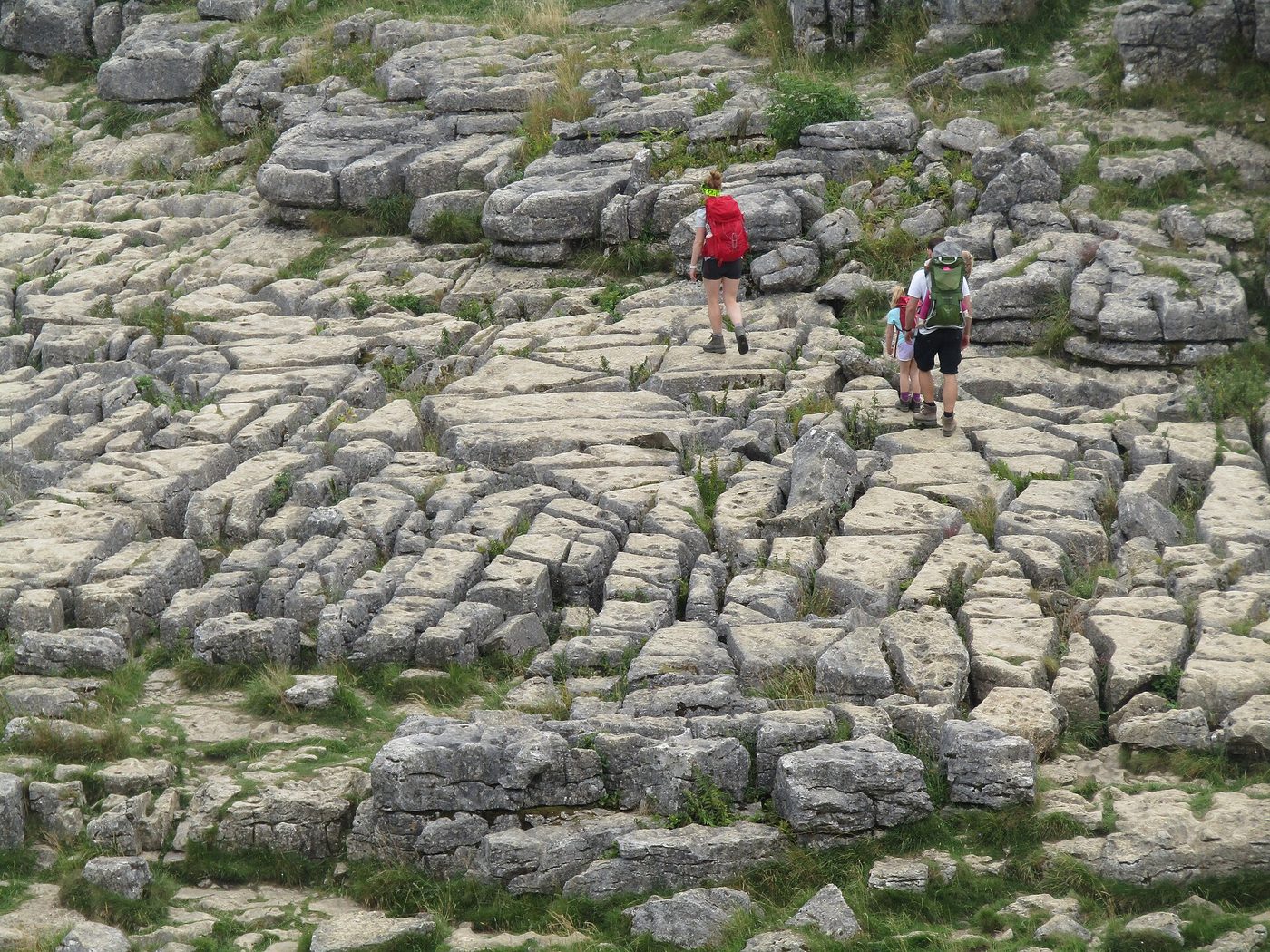
- Physical weathering breaks rock without changing its chemicals. In freeze–thaw, water in a crack freezes and expands by about 9%, forcing the crack wider (see why ice takes up more room than water). In deserts, rock heats up by day and cools at night; it expands and contracts until its outer layers flake off.
- Chemical weathering changes the minerals in the rock. Rain is slightly acidic, because carbon dioxide from the air dissolves in it. It slowly reacts with limestone and dissolves it away; acid rain from pollution does this faster.
- Biological weathering is done by living things: roots grow into cracks and widen them, and burrowing animals break up rock.
What happens to the pieces?
- Erosion is the wearing away and removal of rock and its pieces by rivers, waves, wind, ice or gravity.
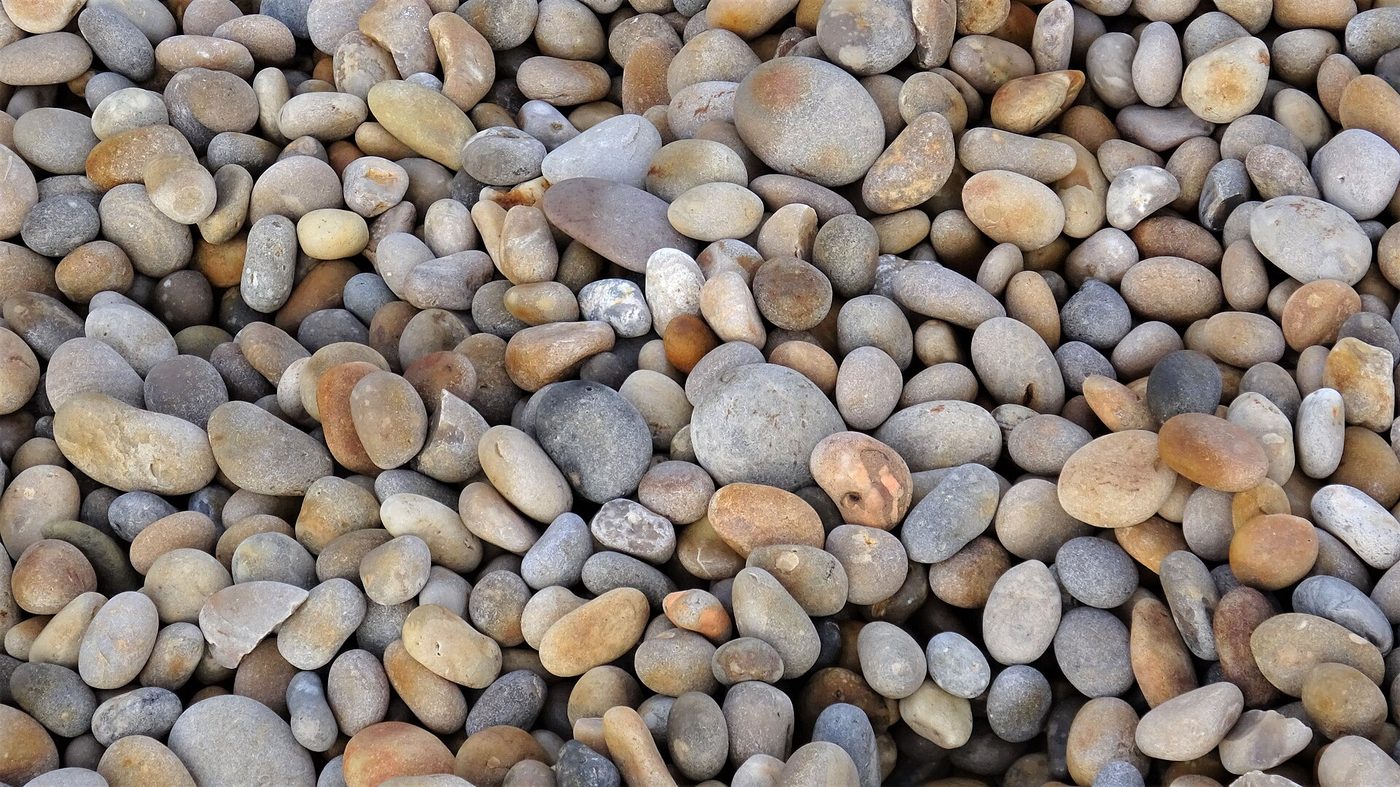
- Transport: as the pieces are carried, they knock against each other and the riverbed, so they get smaller and rounder.
- Deposition: when a river slows down, as it reaches a lake or the sea, it drops what it carries. The biggest, heaviest pieces drop first.
- Layers of sediment build up, are buried, and turn into sedimentary rock by compaction and cementation.
You can model transport by putting a few pieces of soft rock, or sugar cubes, in a closed plastic jar and shaking it for a few minutes. What you see: the corners knock off, leaving smaller, rounded pieces and a fine powder. What it shows: rubbing against each other on the way rounds the grains, which is why pebbles on a beach and grains in sandstone are rounded.
How does the rock cycle link the three types of rock?
- Sedimentary rock buried deeper is heated and squeezed: it becomes metamorphic rock.
- Deeper still, rock can melt into magma.
- Magma that cools and turns solid becomes igneous rock.
- Uplift: huge forces in the Earth push buried rock up, for example where mountains form. Once rock is at the surface, weathering starts again.
There is no fixed starting point and no fixed order. Any rock can take a shortcut: igneous rock can be changed straight into metamorphic rock, and any rock that is uplifted can be weathered. Most of these changes take thousands to millions of years. The Sun’s energy drives weathering and erosion, through the weather; heat from inside the Earth drives melting and uplift.
Following a grain round the rock cycle
- A grain of quartz sits in granite on a hill, made when magma cooled slowly underground and was later uplifted.
- Freeze–thaw loosens it, and rain washes it into a stream.
- Rolled along by the river, it is rounded into a grain of sand and dropped on the sea floor.
- Buried under more sand, it is compacted and cemented into sandstone.
- Pushed deep down where mountains form, the sandstone is heated and squeezed into quartzite, a metamorphic rock.
- Pushed deeper, it melts into magma; when the magma cools, the grain’s atoms end up in a new igneous rock.
Stretch In layers of sedimentary rock that have not been turned over, each layer was laid down on top of the one below, so lower layers are older. Geologists use this to put events in order: a fossil in a lower layer lived before a fossil in a higher one. Turned or folded layers show that uplift has happened since.
Written to the KS3 national curriculum. Last changed 14 November 2026.
Key words
Say them, spell them, use them in an answer.
- rock cycle
- weathering
- physical weathering
- freeze–thaw
- chemical weathering
- biological weathering
- erosion
- transport
- deposition
- uplift
Common misconception
Often said“Weathering and erosion are the same thing.”
In factWeathering breaks rock down where it lies, without moving it. Erosion wears rock away and carries the pieces off, by rivers, waves, wind, ice or gravity. Weathering usually comes first and makes the pieces that erosion takes away.
Did you know?
The top of Everest
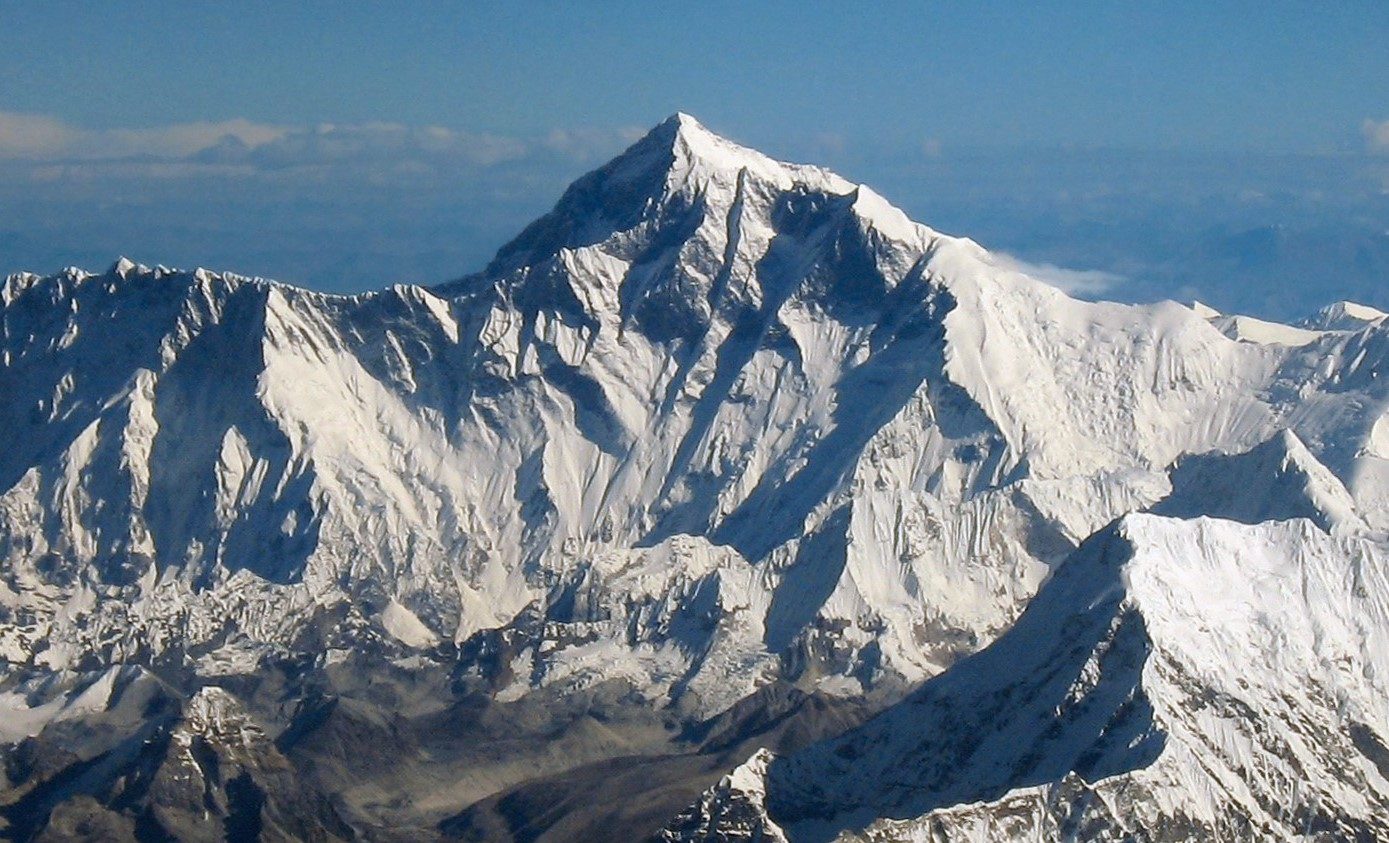
The rock at the summit of Mount Everest is limestone that formed on the floor of a shallow sea more than 450 million years ago. Fossils of sea creatures, such as trilobites and sea lilies, have been found in it. It was lifted almost 9 km into the sky as India pushed into the rest of Asia.
Photo: shrimpo1967, edited by Papa Lima, CC BY-SA 2.0, via Wikimedia Commons
Try 5 questions
Quick questions on the rock cycle, marked as you go. Each one explains the answer.
Question 1 of 5
What happens to rock pieces as a river carries them along?
Choose an answer. Each question explains itself.
The homework sheet
About twenty minutes. Everything on it is in the notes above; the answers are on the last page.
Free homework sheet
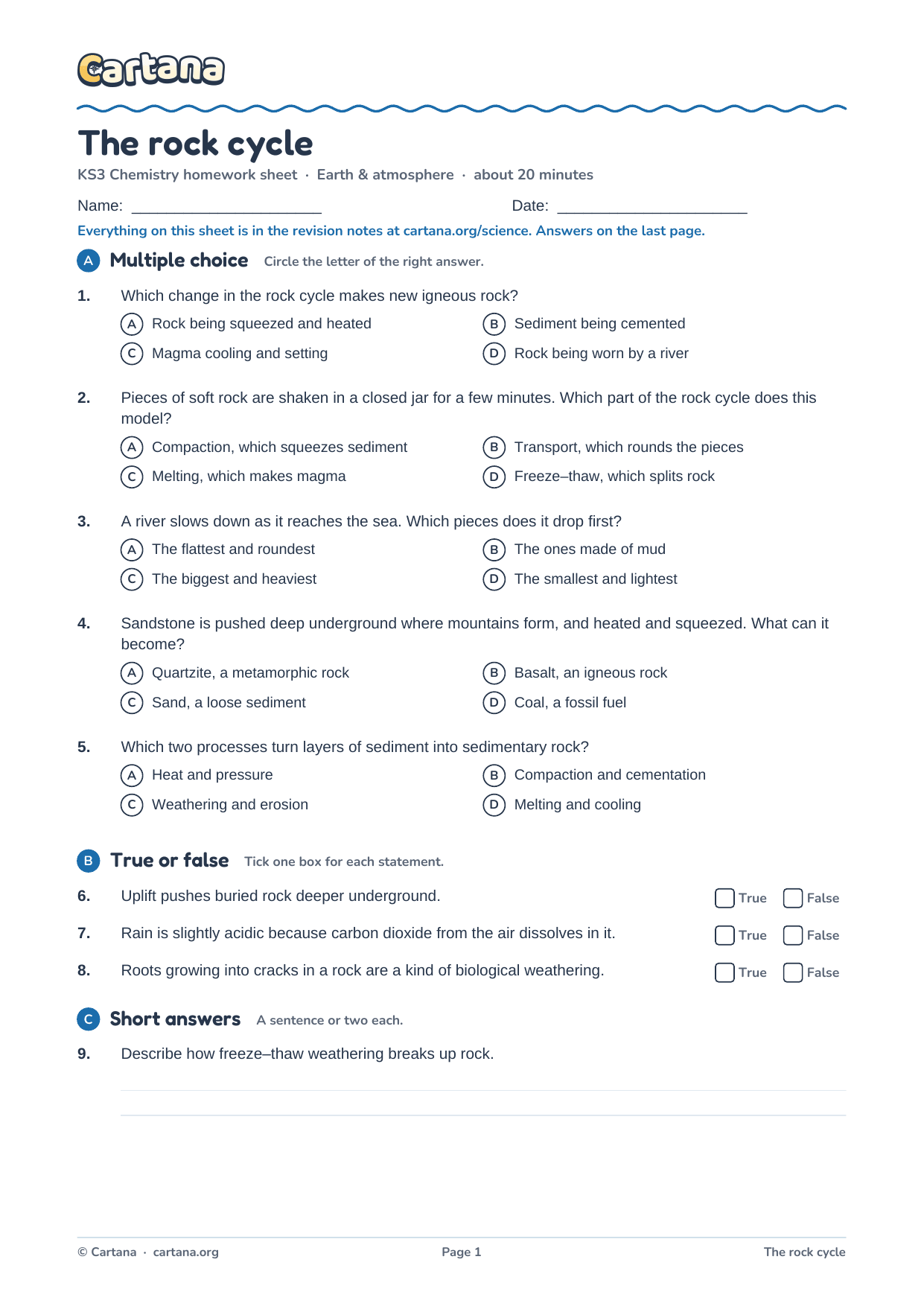
The rock cycle homework sheet
17 questions, about twenty minutes, with the answers on the last page: multiple choice, true or false, short answers, key words to define and one to explain in full.
KS3 Earth & atmosphere
Revised the whole unit?
When every topic in earth & atmosphere is done, two different papers test the whole unit, each with its own mark scheme.


 Watch the trailer · 1:06
New from Cartana · Beta test 1–31 December
Revision that feels like an adventure
Cartana is our KS3 learning adventure: sail between islands, answer quick-fire questions and battle bosses. It starts with science, with maths on the way, and launches in 2027. This December a small group of testers gets to play it first.
In the Cartana adventure, every science unit is an island to explore. The island for Earth & atmosphere is being built.
- Play the game before its official release
- Help us build it with your feedback
- Earn exclusive in-game items in return
More in this unit
Earth & atmosphere
- 1Structure of the EarthThe crust, mantle, outer core and inner core: what each is made of and like, and how earthquake waves show what is inside
- 2Types of rockHow igneous, sedimentary and metamorphic rocks form, what their grains, crystals, layers and fossils show, and how to tell them apart
- 4The atmosphereNextThe gases in dry air and their percentages, water vapour, where the oxygen came from, and the tests for gases
- 5The carbon cycleThe stores of carbon and how carbon moves between them: photosynthesis, respiration, feeding, decay, combustion, dissolving and fossil fuels forming
- 6Climate changeThe greenhouse effect, carbon dioxide and methane from human activity, the measured evidence, the effects, and what reduces emissions
- 7Resources and recyclingWhy the Earth’s resources are limited, what getting them costs in energy and land, what recycling saves, and its limits